Solidarity Beyond Borders: Oromo Community’s Call for Unity
FOR IMMEDIATE RELEASE
Melbourne’s Oromo Community Stands in Solidarity with Jewish Australians After Bondi Attack
MELBOURNE, VIC – 19 December 2025 – The Oromo Community in Melbourne has issued a powerful statement of solidarity and support for the Australian Jewish community following the horrific antisemitic terror attack on peaceful Chanukah celebrations in Bondi.
The statement expresses the community’s profound grief and unwavering support for the victims, their families, and all those impacted by the tragedy. “Our deepest condolences, sympathy, and love are with the bereaved families, the injured victims, the courageous first responders, and all members of the Jewish and wider Bondi community impacted by this tragedy,” the statement reads.
In a show of national unity, the Oromo community announced it has joined over 200 civil society organisations across Australia in signing a collective statement against hate, representing millions of Australians.
A Call for Unity and Safety
The community’s Chairperson, Mr. Alemayehu Kube, emphasized the shared values of peace and safety. “Love is what fortifies a community, while violence and hatred only destroy,” said Mr. Kube. “There is no place for hatred and violence in any form. We stand shoulder-to-shoulder with the Jewish community, who have an absolute right to feel safe and be safe in our shared country.”
The statement explicitly frames the attack as an assault on the nation’s core principles, calling it “an affront to the tolerance and inclusion that define our national character.” It asserts that the right to safety is universal and “cannot depend on identity, origin, cultural background, age, or gender.”
A Commitment to Action and Reflection
Beyond words of support, the Oromo community has committed to tangible action, stating it is “committed to deep reflection and meaningful action” in the face of such evil. The statement highlights the long-term trauma of such events, especially for children and families, and calls for a collective national response.
“In this difficult moment, we call on all Australians to come together as one united people,” the statement urges. “Our strength has always resided in our diversity—in people of all faiths and cultures, from over 236 backgrounds, standing side by side in empathy and mutual respect.”
The message concludes with a hopeful vision, advocating for a response of compassion over fear and unity over division. “May we support one another, honour those who have been impacted, and continue building an Australia where every person feels safe, valued, and supported—in both body and mind.”
The full statement from the Oromo Community in Melbourne is available for review.
About the Oromo Community in Melbourne: The Oromo Community in Melbourne represents members of the Oromo diaspora in Victoria, fostering cultural preservation, community support, and active civic engagement within Australia’s multicultural society.
Police in Oromia Region Confirm Brutal Murder of Bank Employee in Beke Town
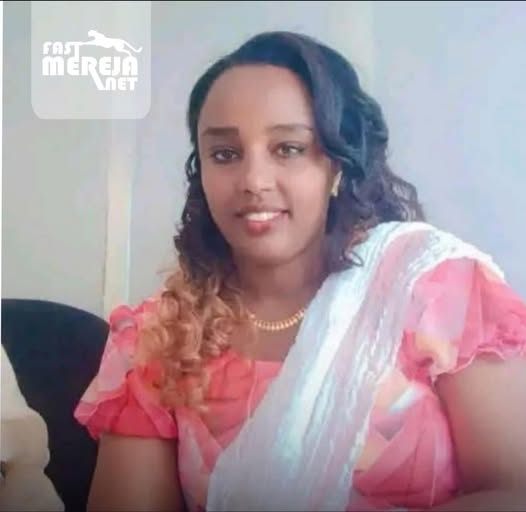
Beke, North Shewa Zone – The Oromia Regional Police have confirmed the occurrence of a horrific murder in Beke town, North Shewa Zone, on December 16, 2021.
The victim has been identified as Adanech Kumssa, an employee at the Allaltu branch of the Commercial Bank of Ethiopia and a resident of Sendafa Beke.
Details of the Incident
- The Relationship: Police sources indicate that the victim and the prime suspect, Mr. Tsegaye Asalifo, were involved in a romantic relationship.
- The Dispute: The crime was reportedly triggered by an argument that erupted between the two while they were dining at a hotel on the evening of the incident. Adanech left the hotel in anger, after which the suspect is alleged to have followed her.
- The Murder: The suspect is accused of forcing Adanech into his car, driving her to a location known as “Gomata,” and murdering her there with a knife.
A Disturbing Discovery
In a particularly distressing development, Commander Negatu Alemu, Head of the Sendafa Beke Police Investigation Department, revealed to the BBC that after committing the crime, the suspect abandoned the body. By the time it was discovered, Adanech’s remains had been scavenged by wild animals.
The Police Investigation
Authorities have ascertained that the suspect abandoned the car used in the crime and the murder weapon in Allaltu town. Police have recovered the vehicle, inside which bloodstains were found, along with the knife, which is being treated as key evidence. The police have stated that an active manhunt is underway to locate and apprehend the suspect.
Final Arrangements
Following the completion of necessary forensic examinations at St. Paul’s Hospital, the victim’s remains were released to her family, who have since conducted funeral rites.
Tensions Rise: Somali State’s Annexation of Oromo Land
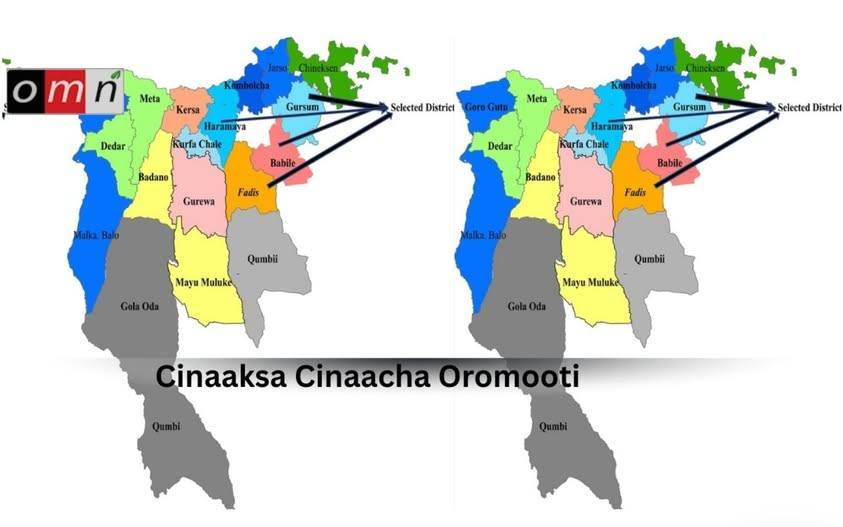
OMN, Cinaaqsan, East Hararge– The Somali Regional State has reportedly annexed territory in Cinaaqsan district and established a new district named Daarimuu, escalating longstanding tensions in the border area between Oromia and Somali regions.
Local residents and historical freedom fighters from the area have accused the regional government of launching targeted measures against Oromo communities who opposed the land demarcation process.
Community and Veterans’ Testimonies
Residents and former liberation fighters who previously collaborated with the Oromo Liberation Army (OLA) claim the Somali Regional State is systematically seizing land at the expense of the Oromo people.
Mr. Xahaa Abdallaa, a local resident and former participant in the area’s liberation struggle, stated that land seizures began earlier and are still ongoing.
Mr. Ibroo Huseen, another former resistance participant, expressed deep concern over the ongoing encroachment on Oromo land. He emphasized that territory once entirely inhabited by Oromo people during the struggle is now under the Somali Regional administration.
Accusations Against the Federal Government
Veteran fighters have pointed fingers at the federal government, alleging it is behind the current campaign against Oromo land. They warned that if the annexation of Oromia’s territory continues unchecked, the region risks being fragmented and absorbed by neighboring zones.
The elders also asserted that the federal government has failed to provide meaningful security or protection for the Oromo people.
Call to Action
In response, the community and former fighters have urged the Oromo public to remain vigilant, organized, and prepared to defend their boundaries against what they describe as a coordinated border assault.
Irreechaa Malkaa Soor: Aadaa fi Seenaa Oromoo
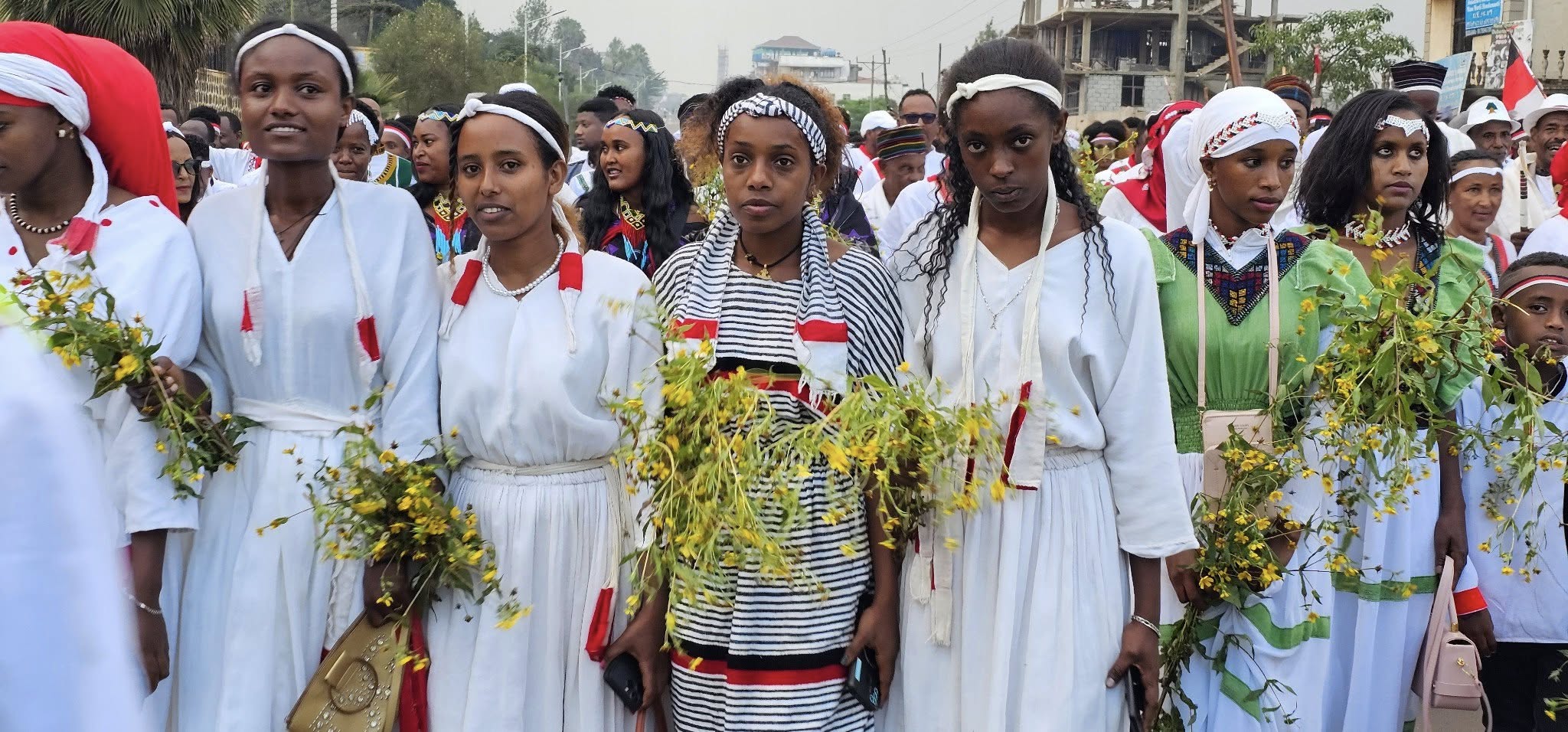
Sirnaafi Kabajaa Ayyaana Irreechaa Malkaa Soor
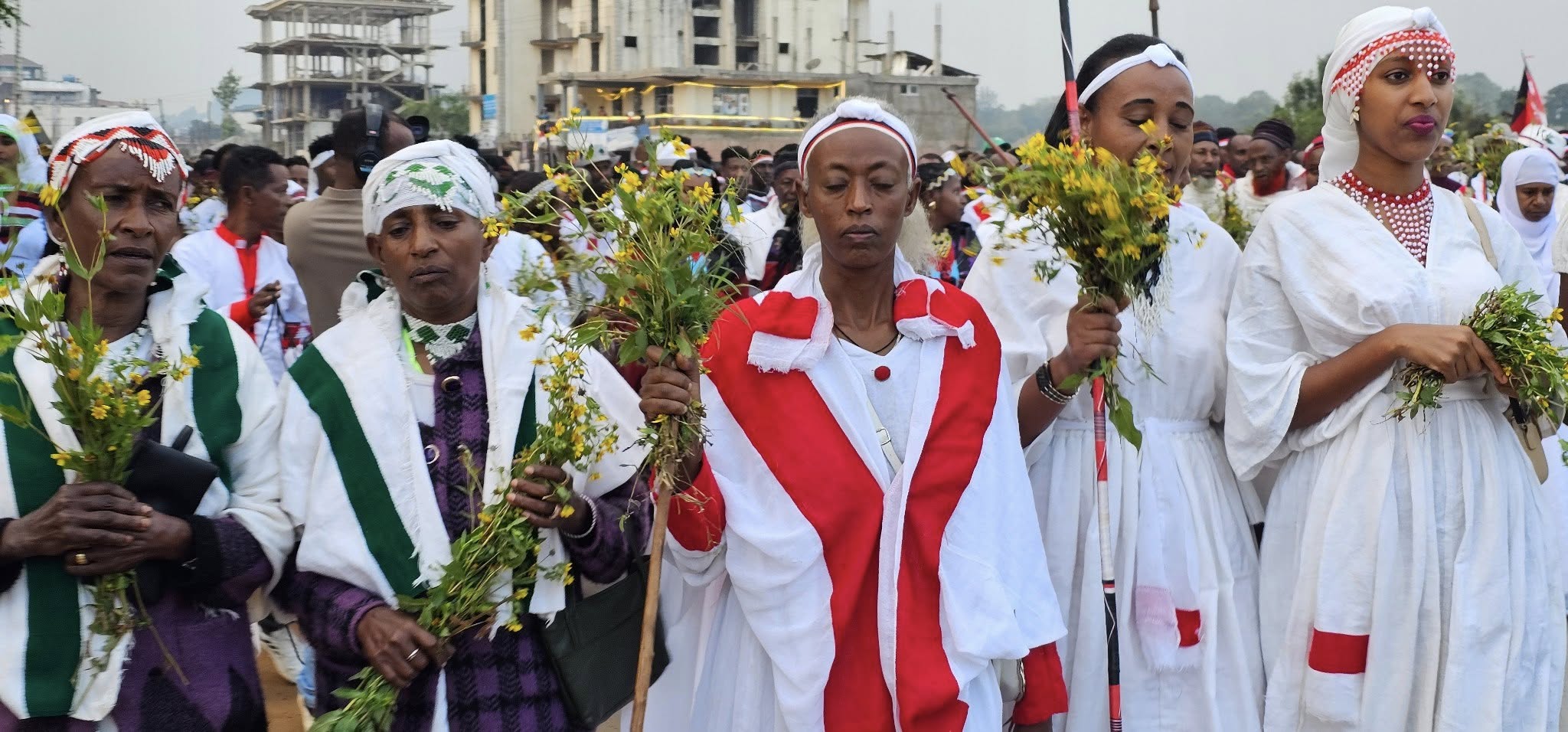
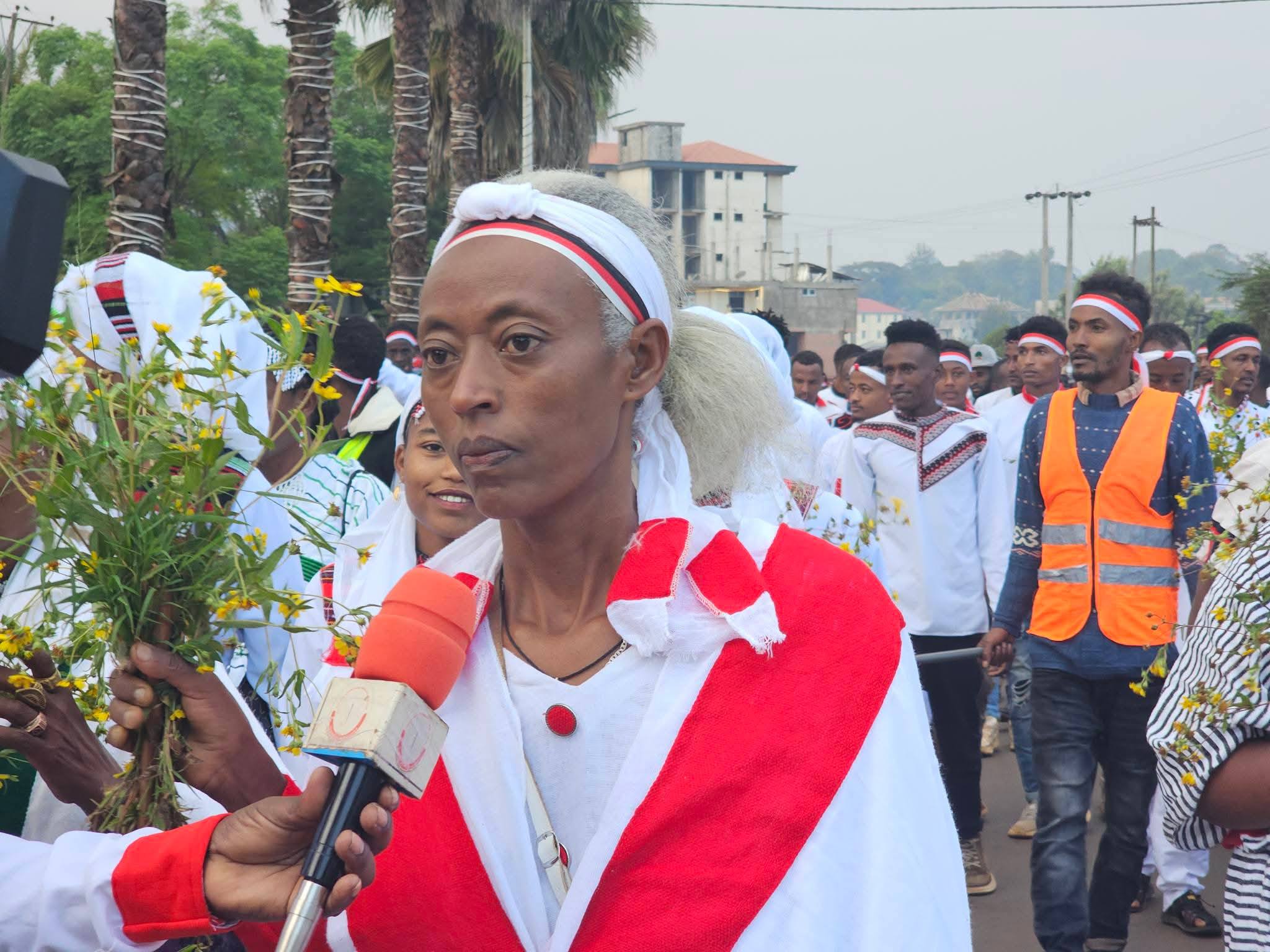
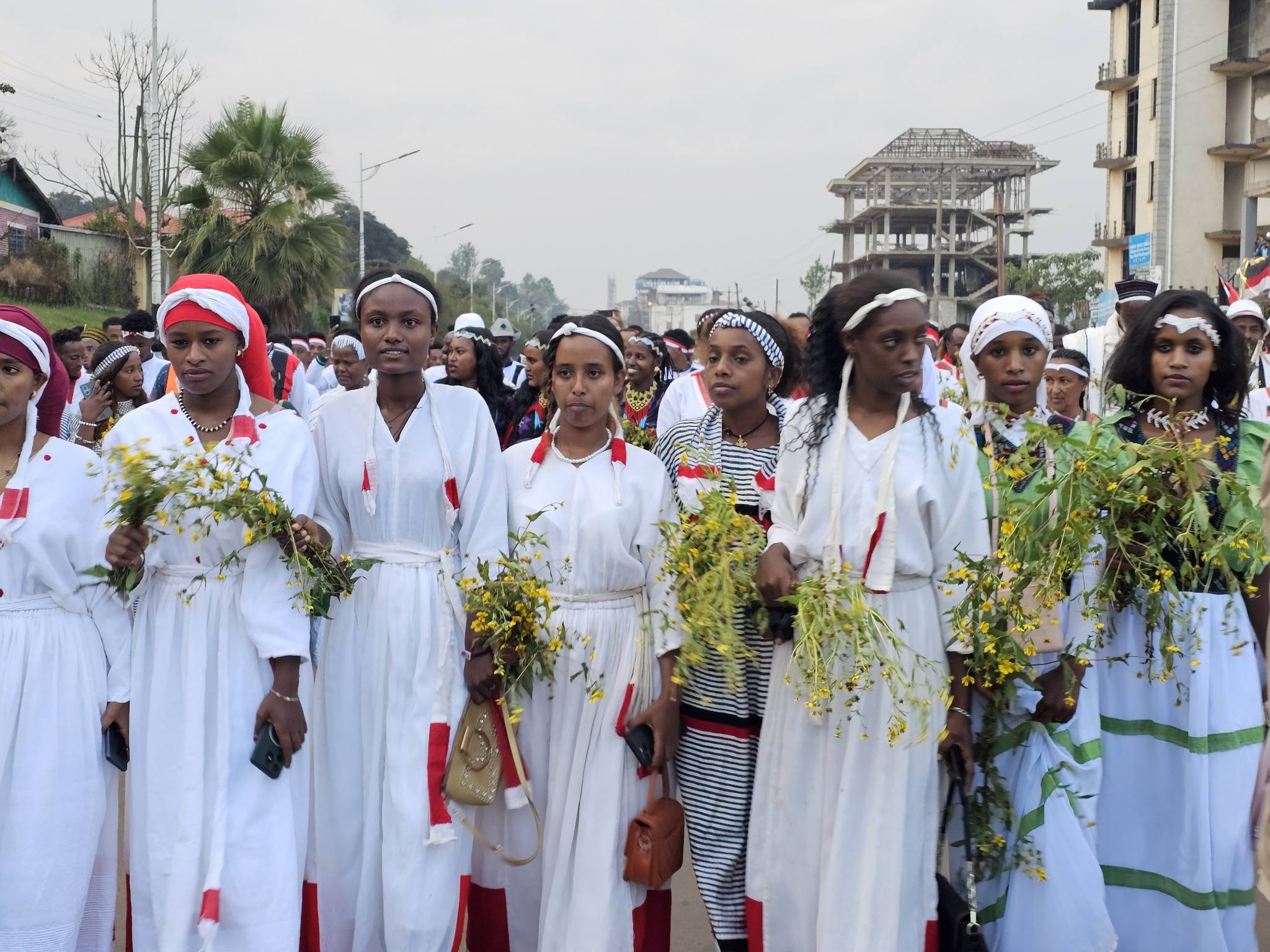
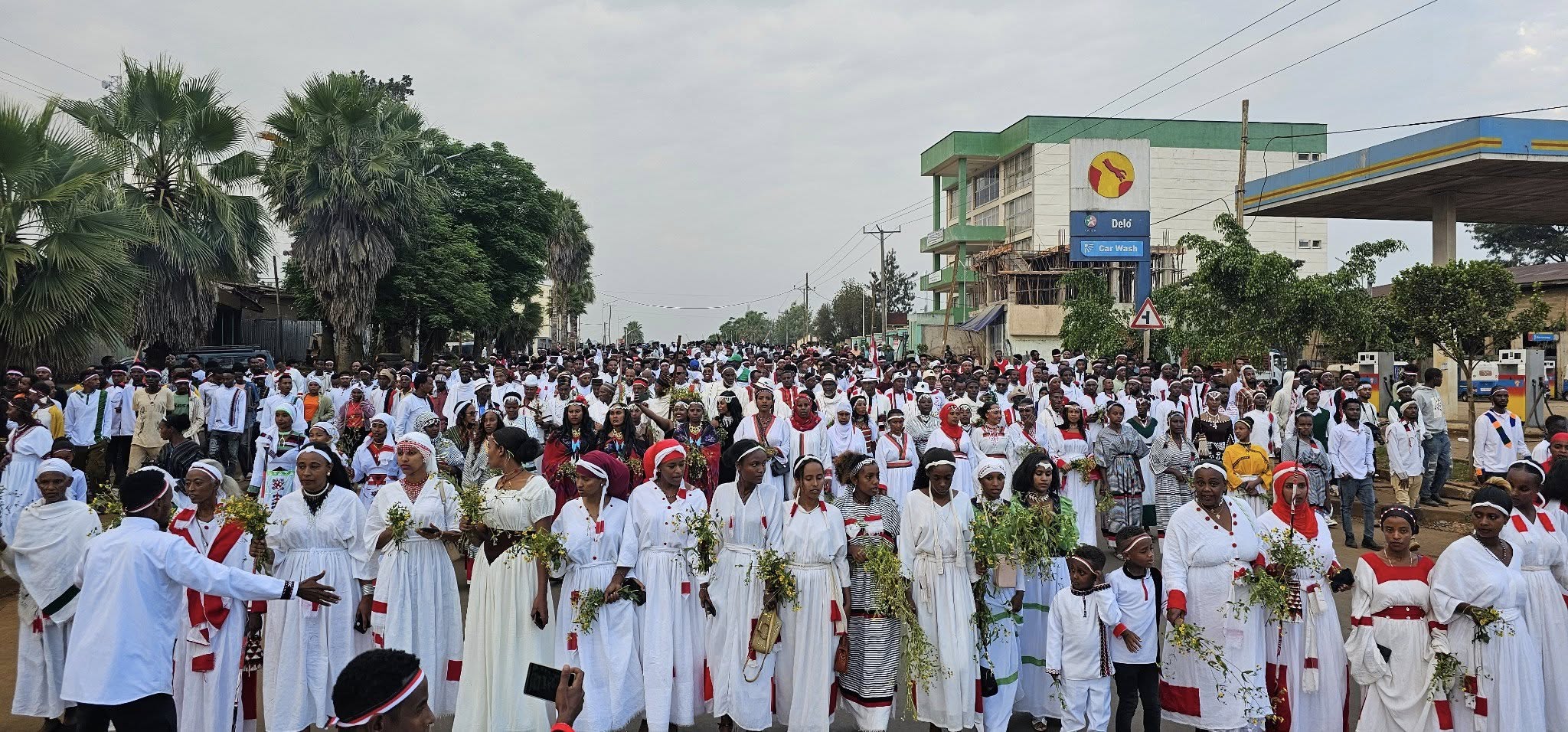
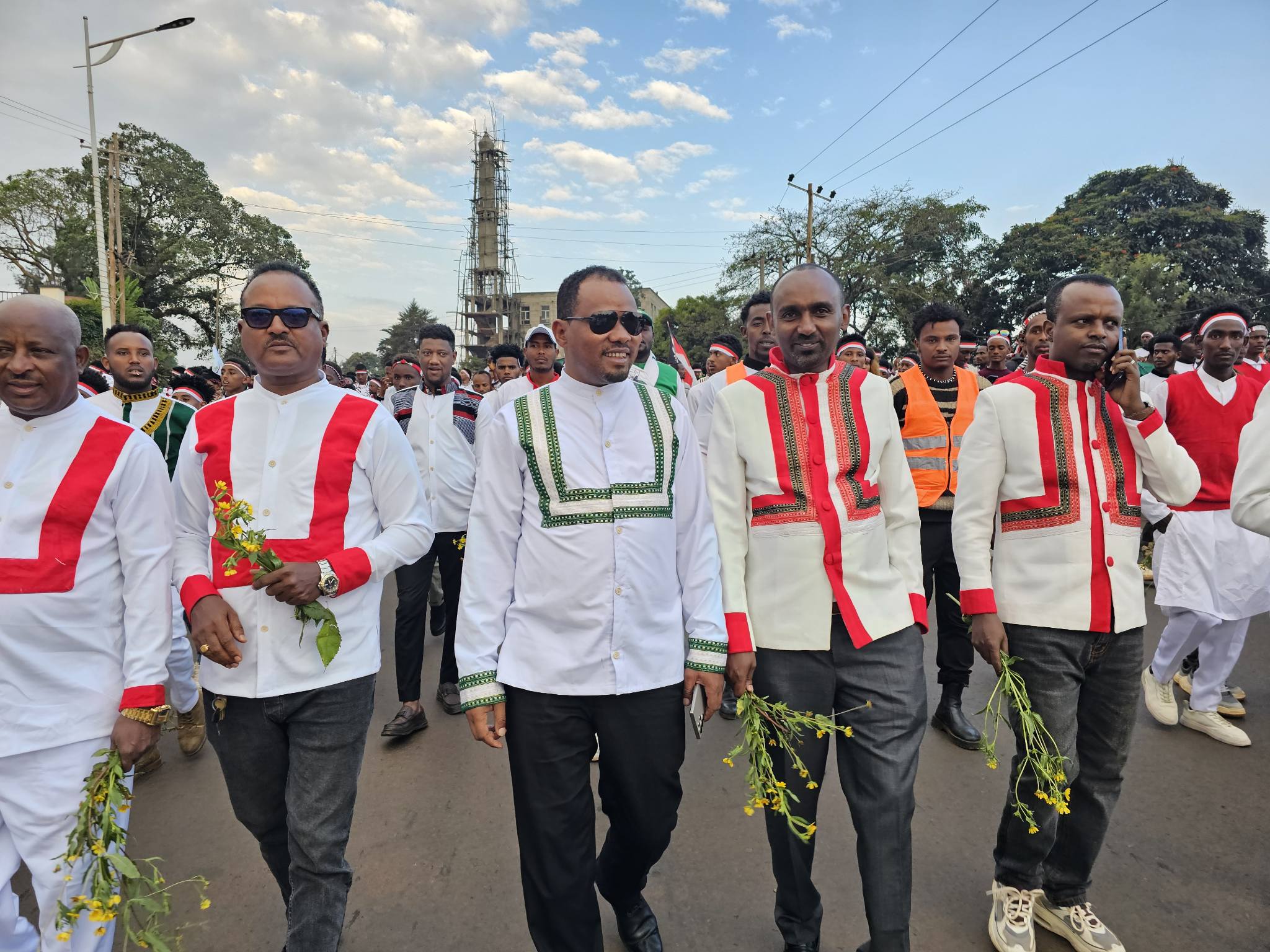
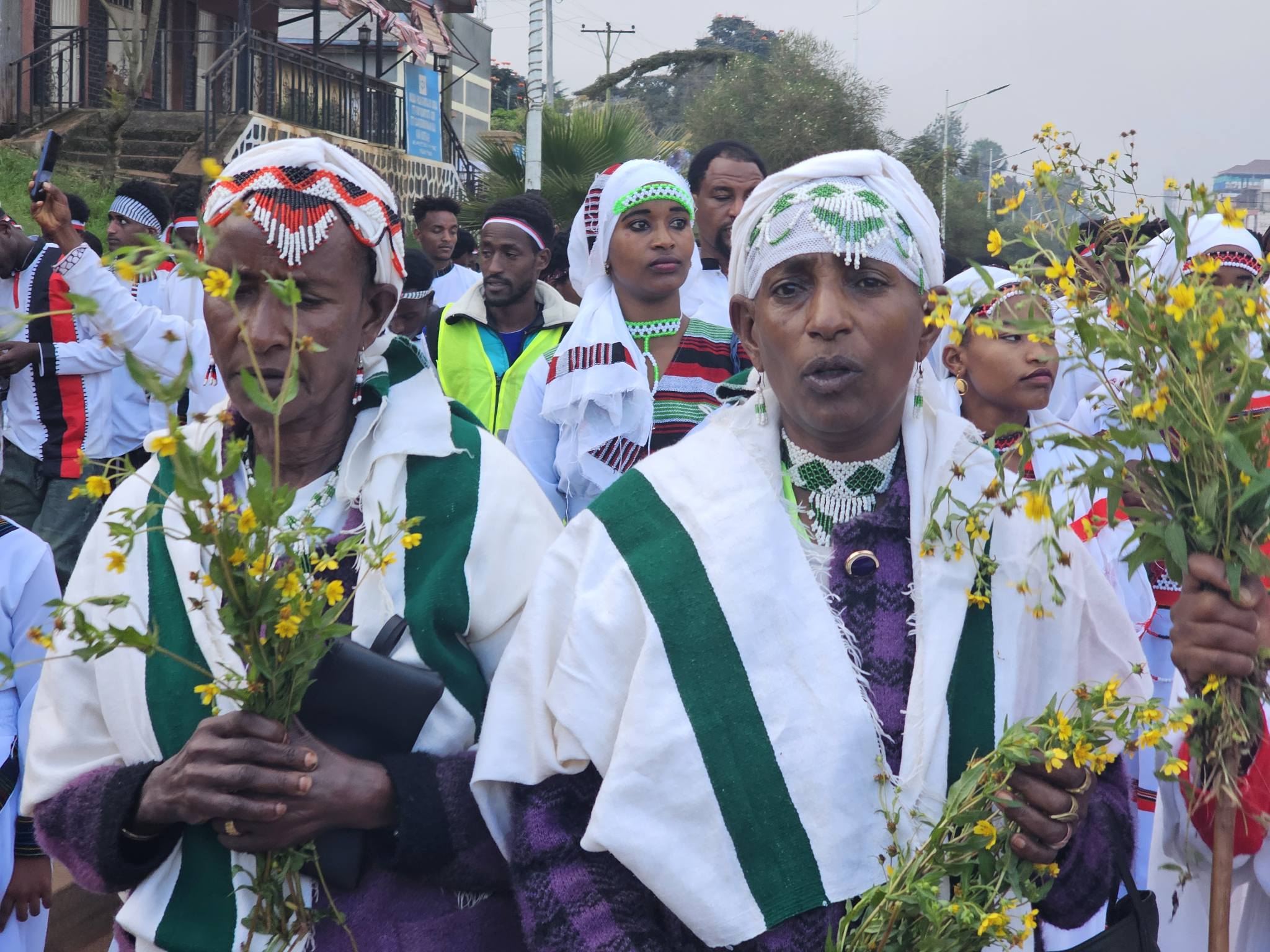
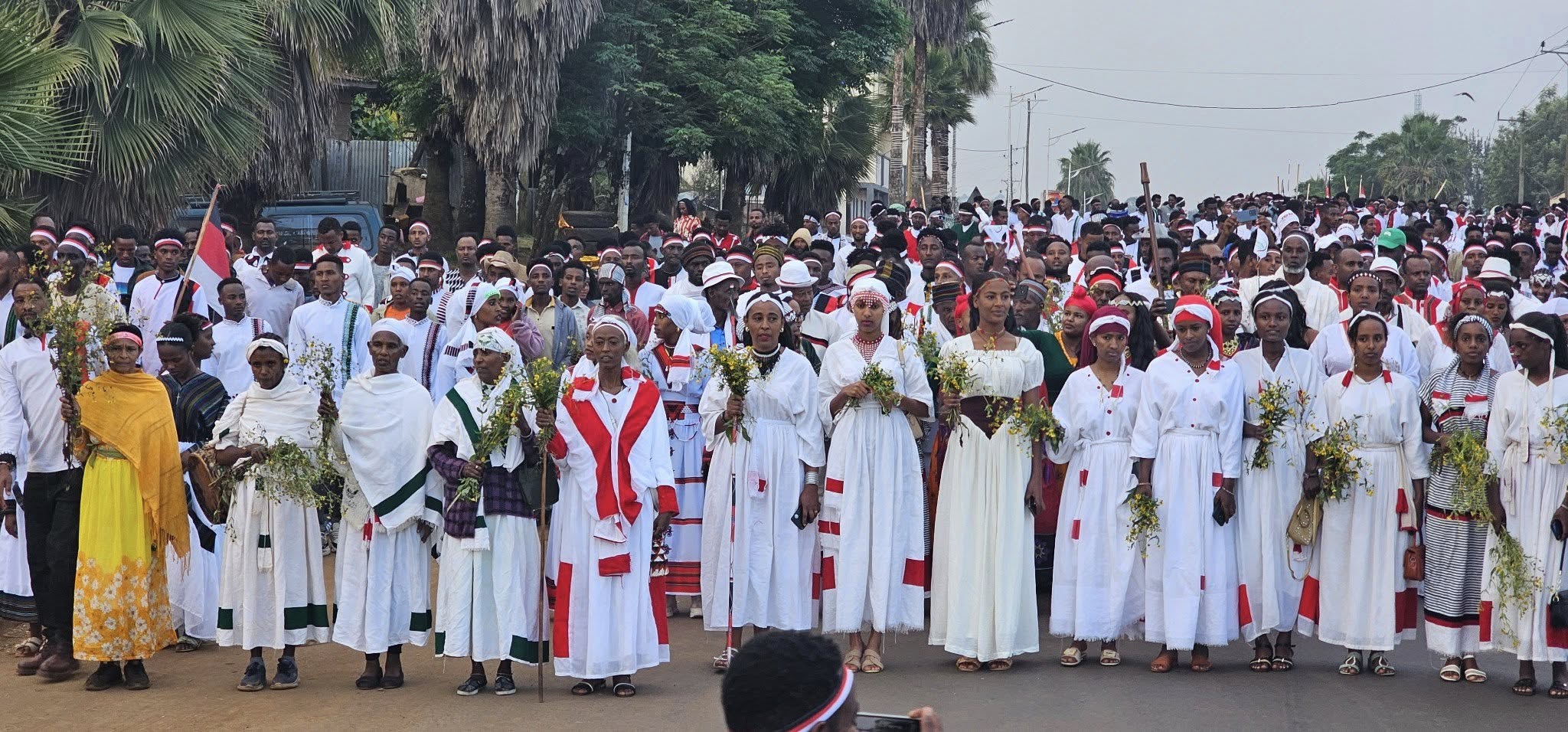
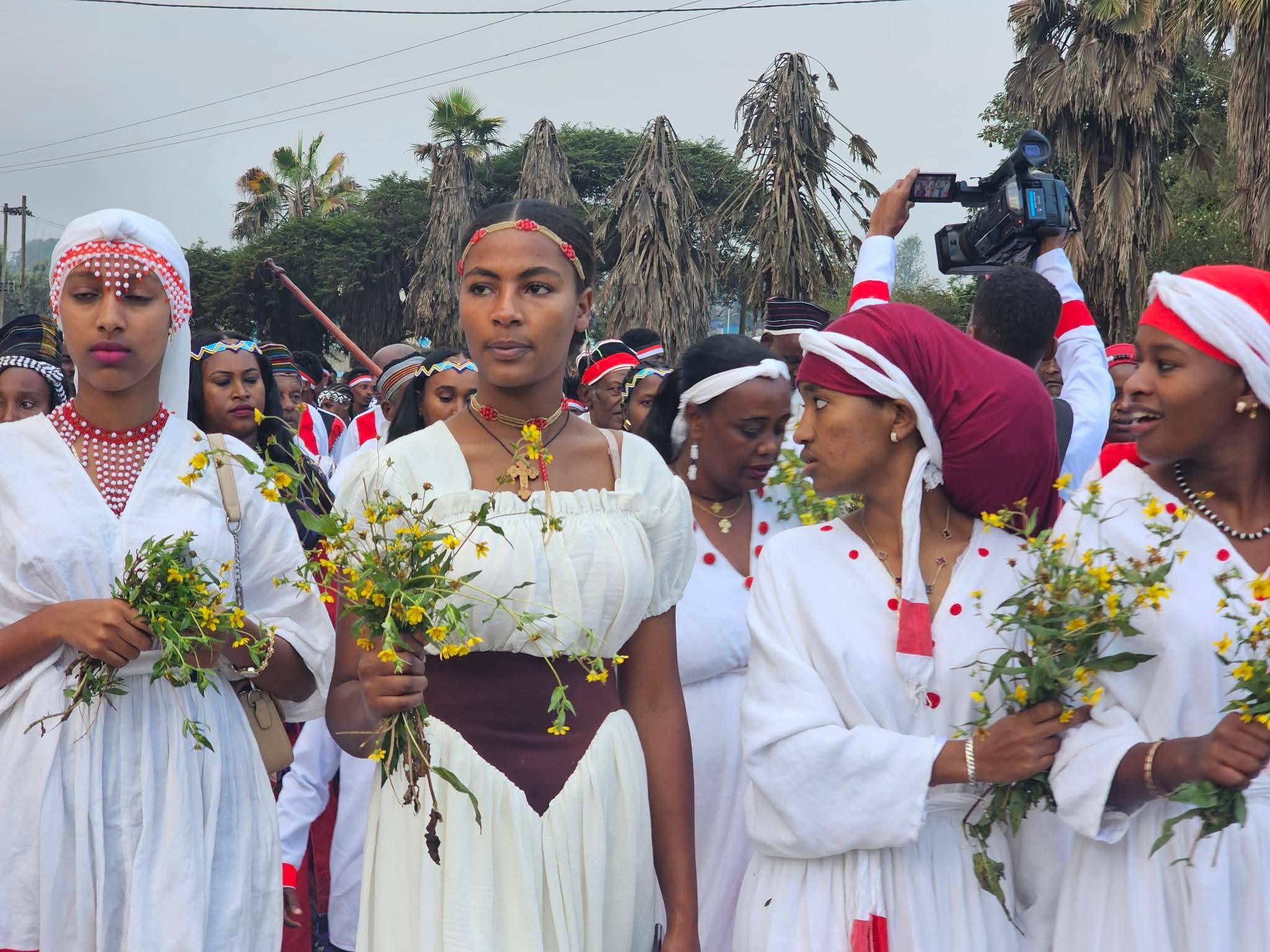
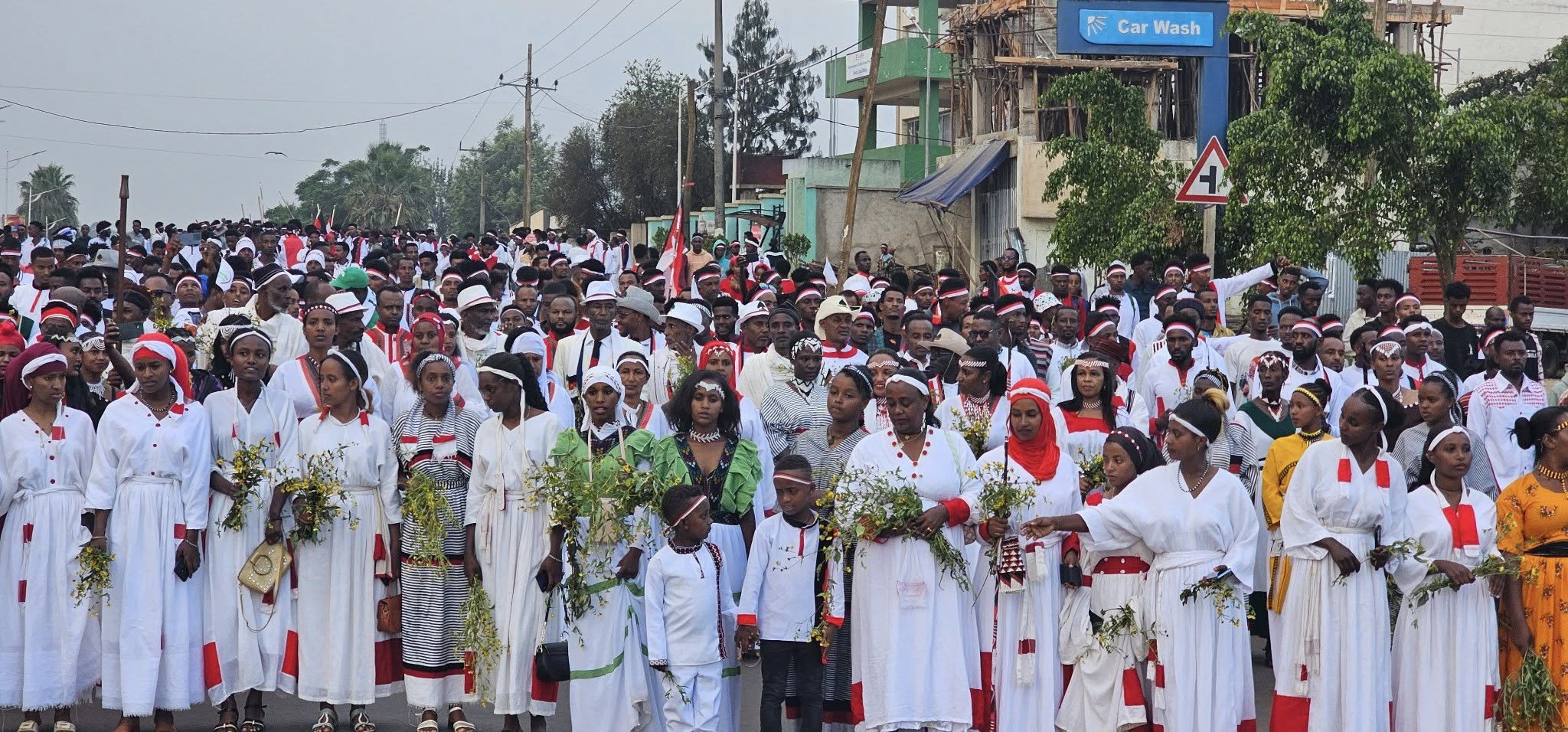
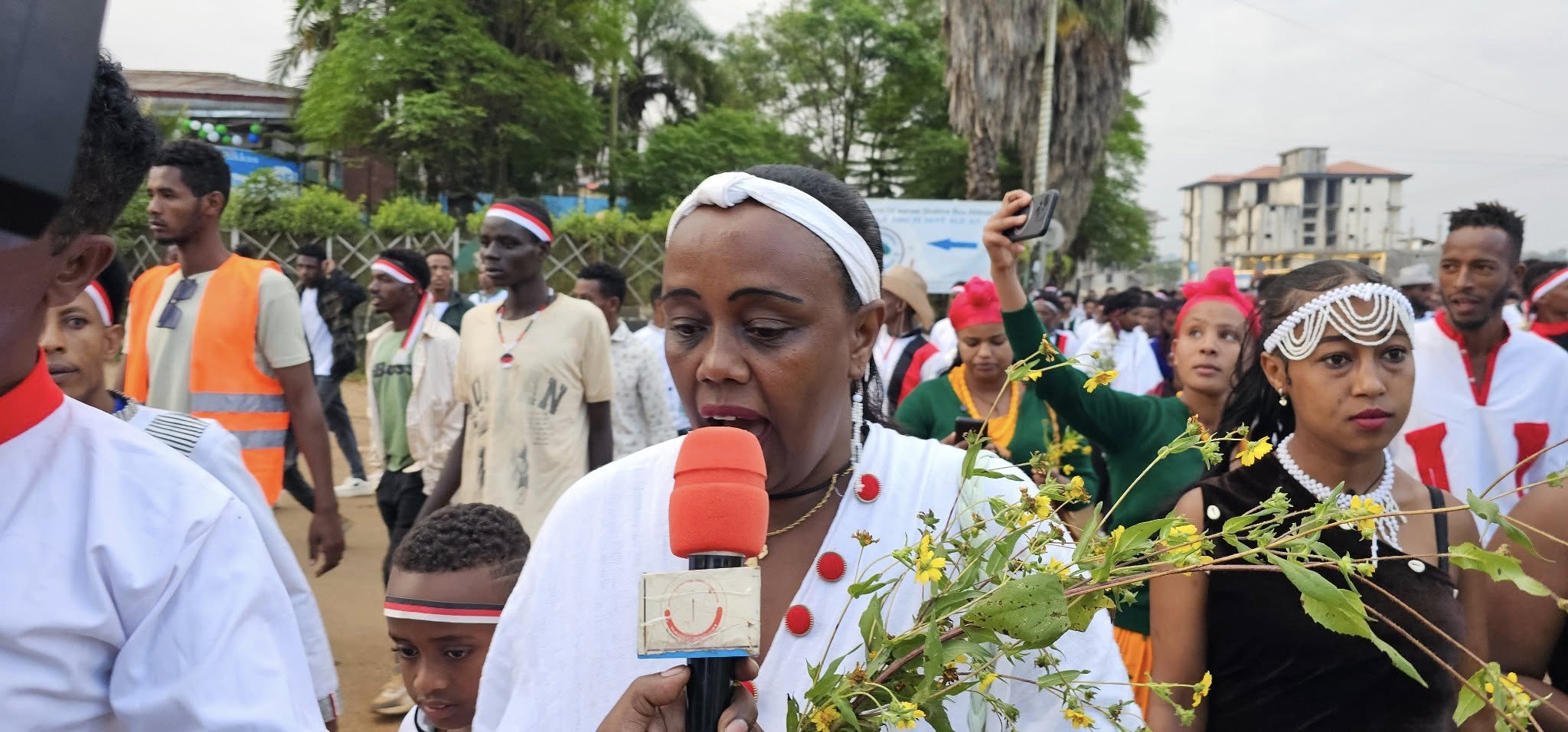
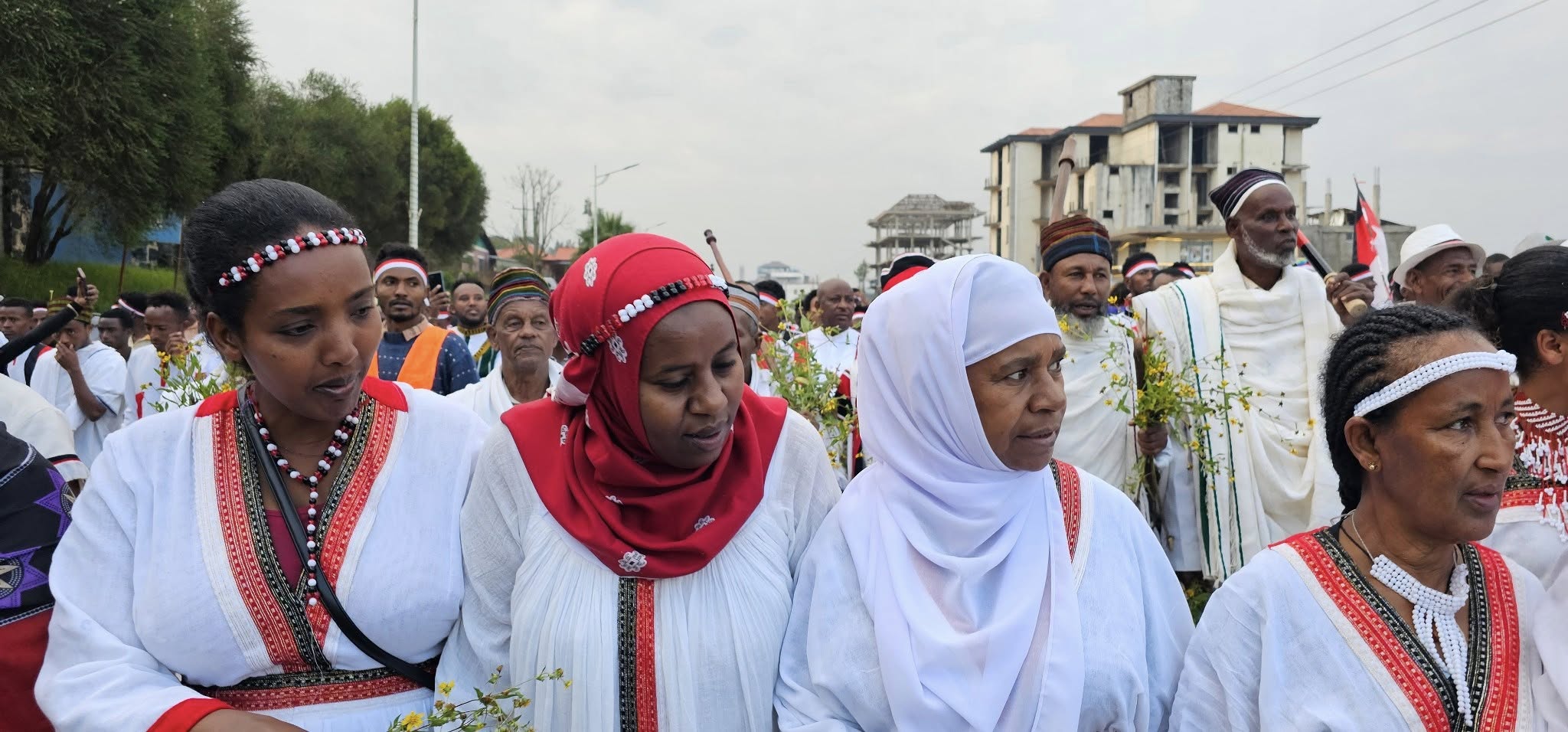
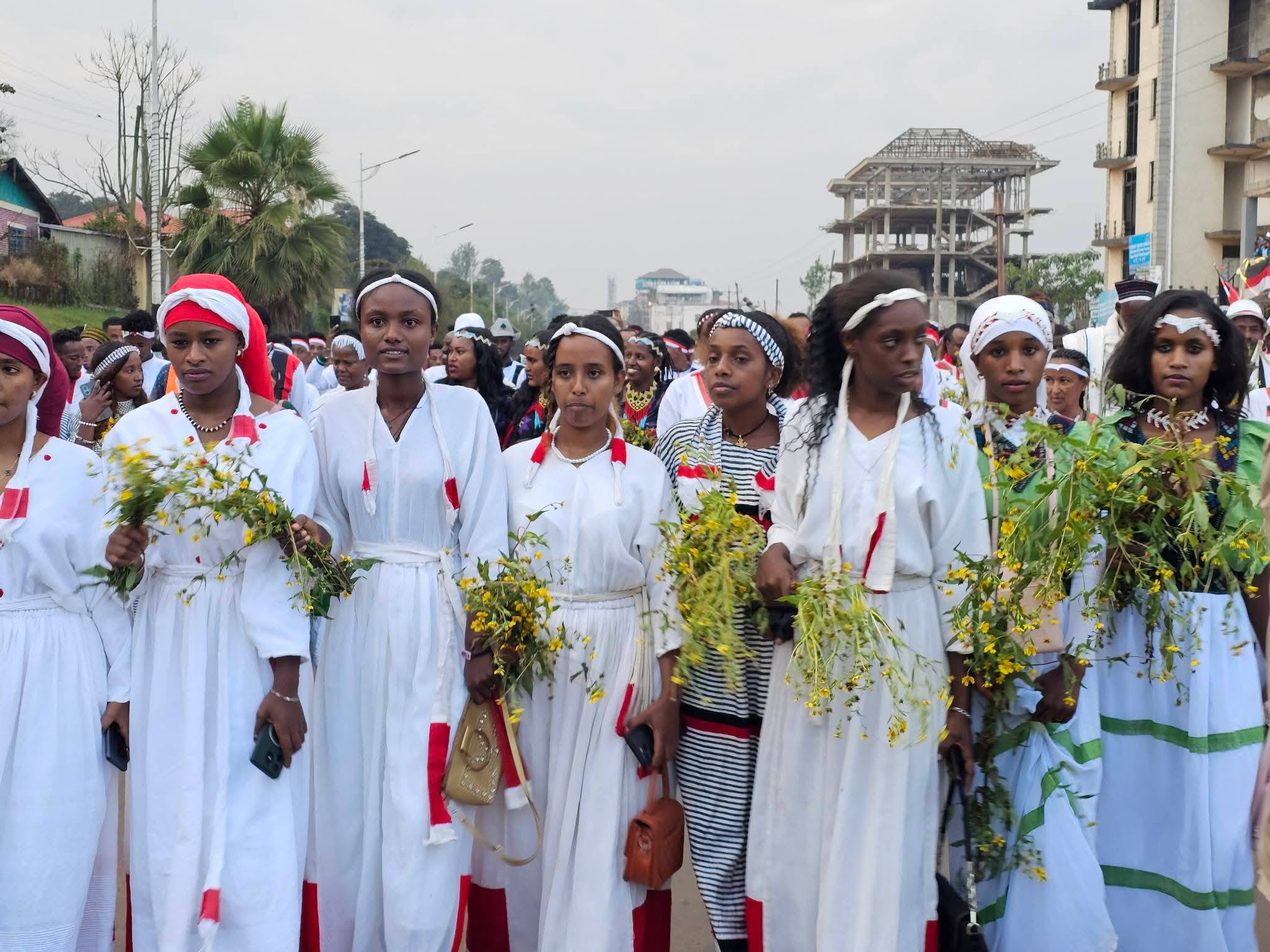
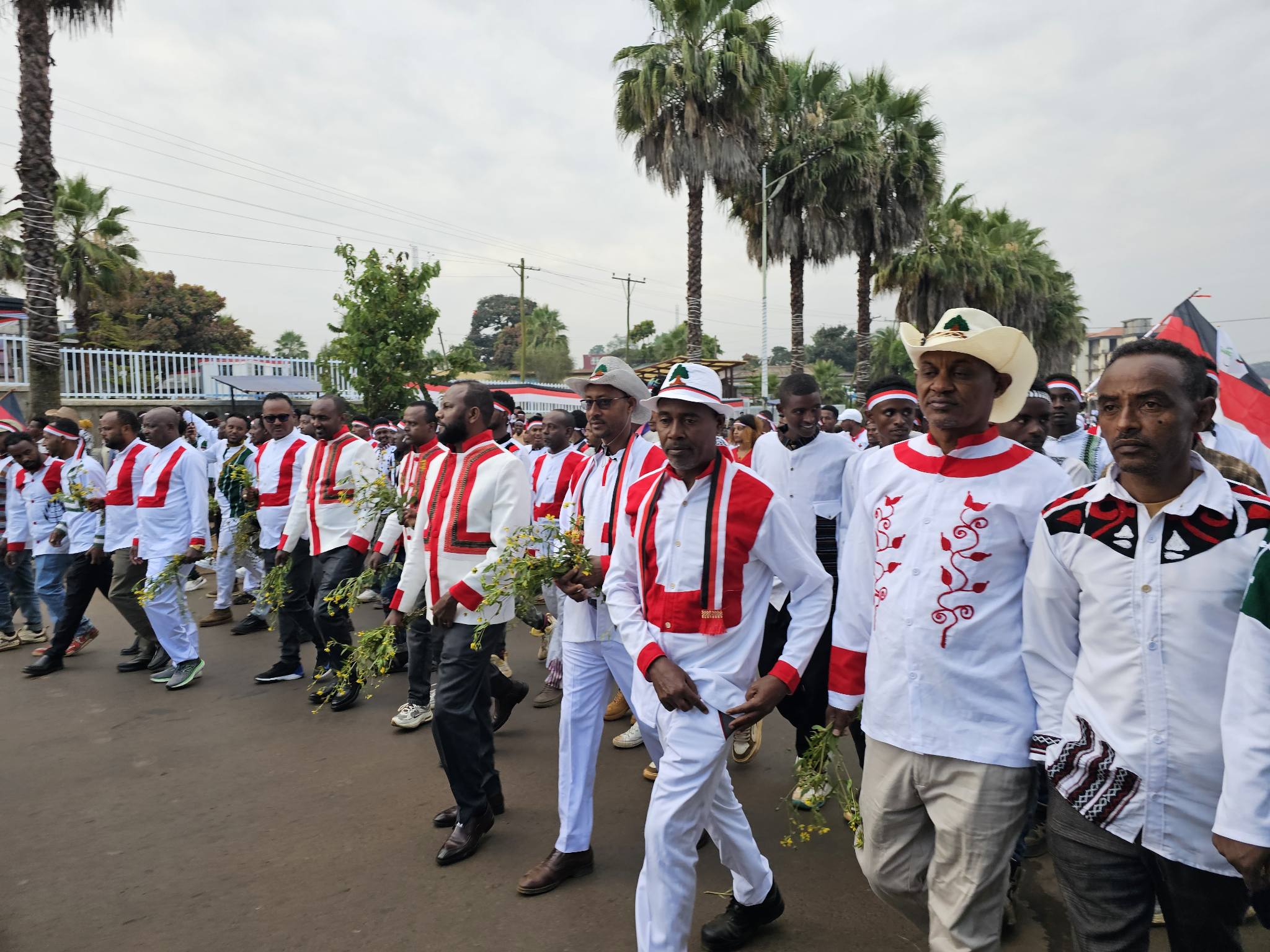
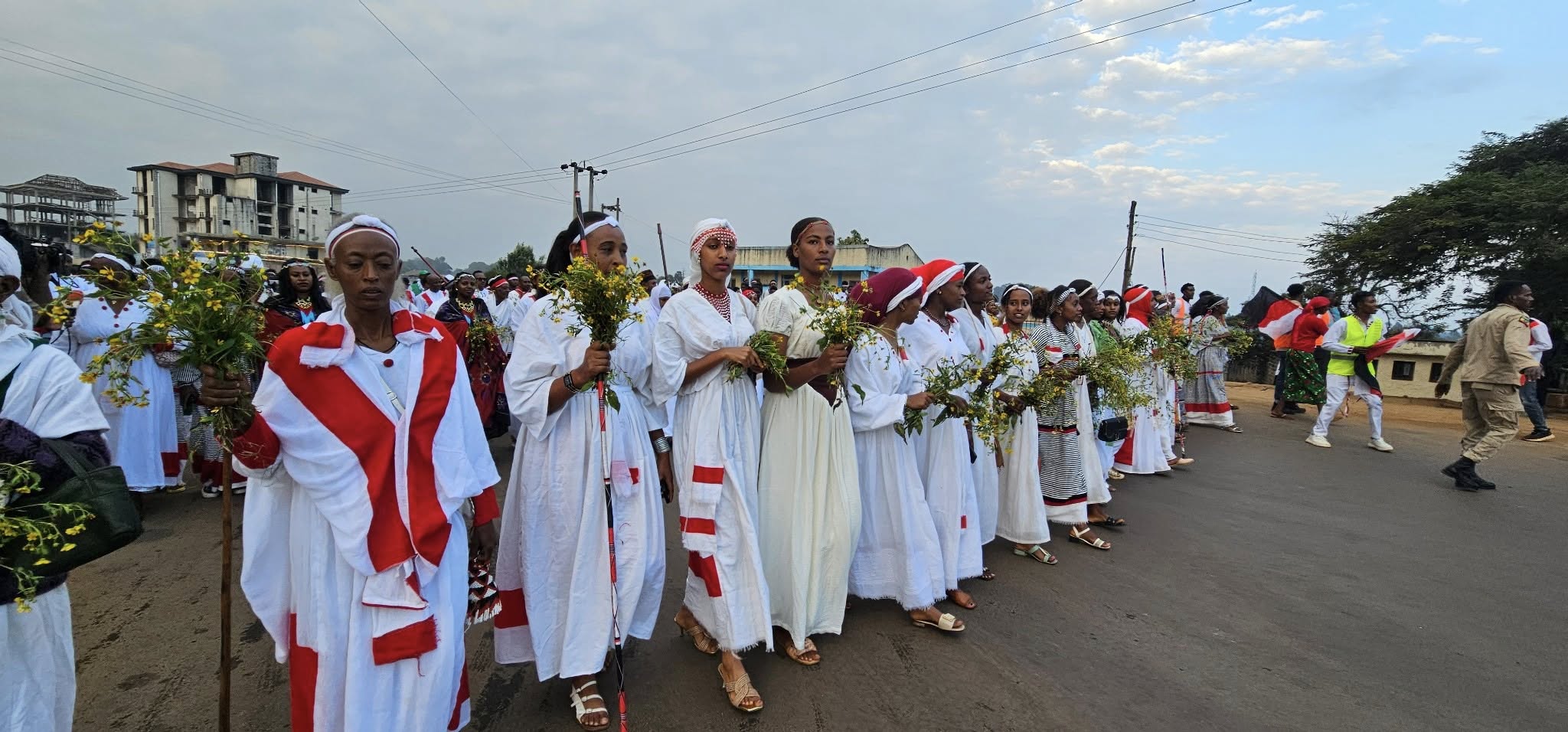
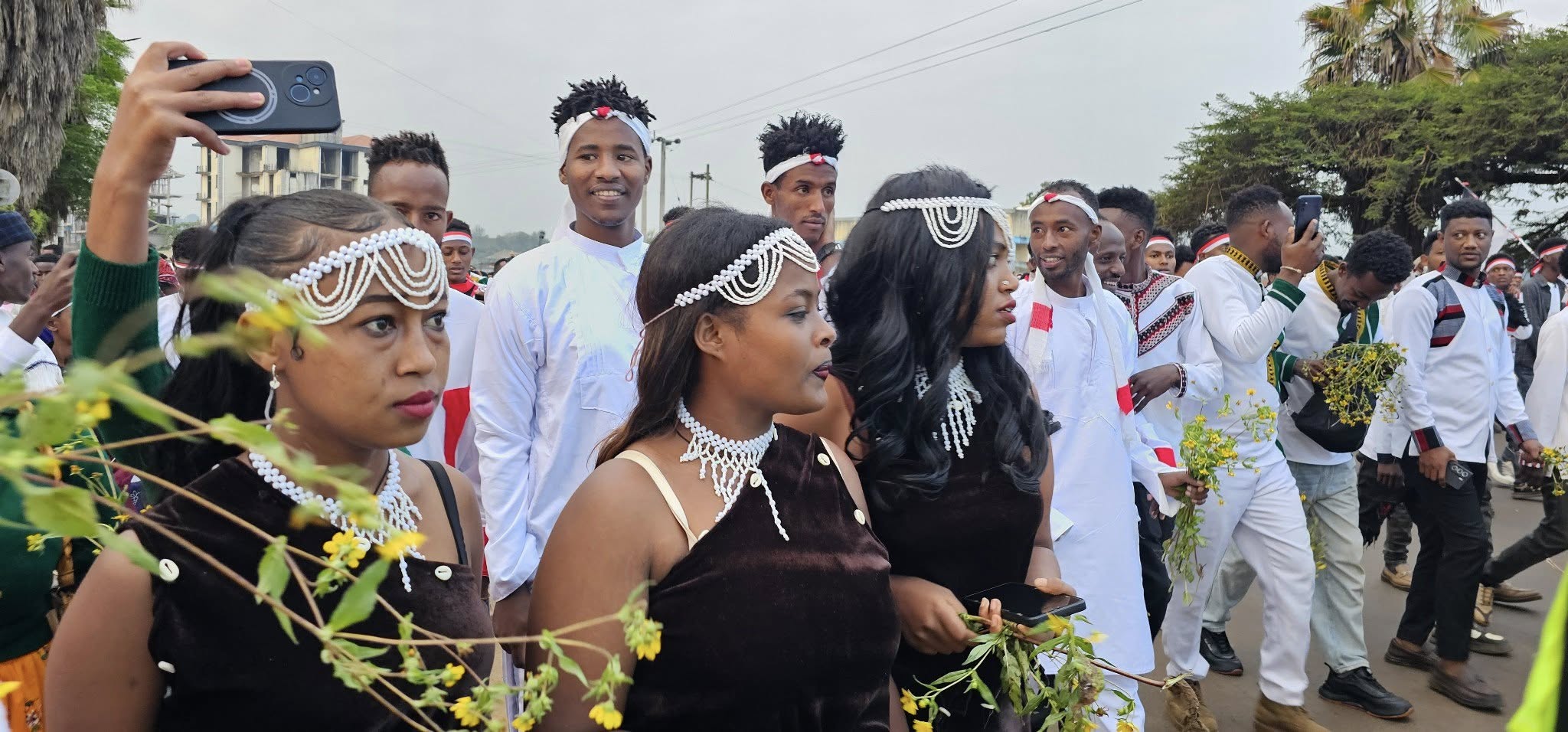
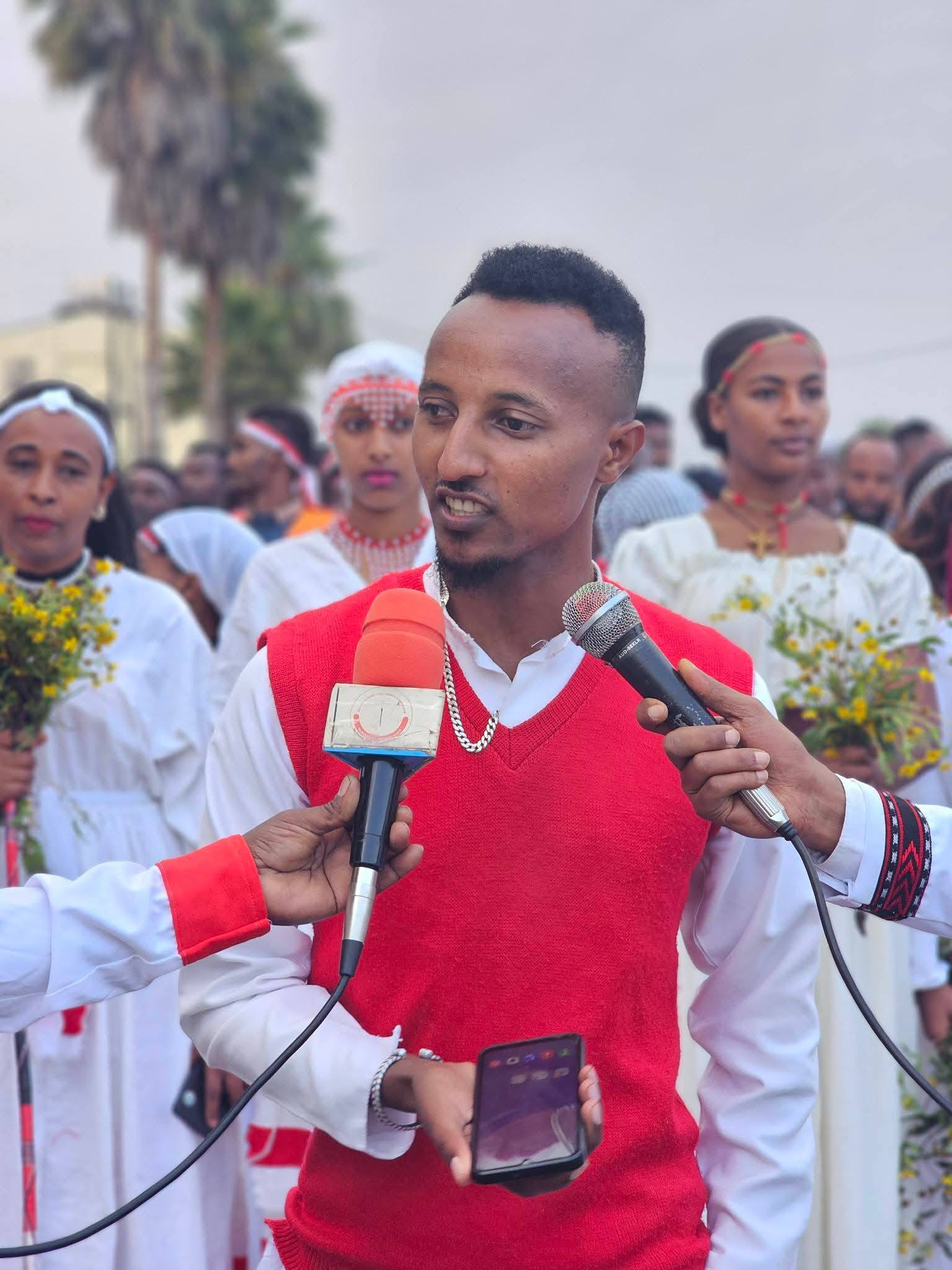
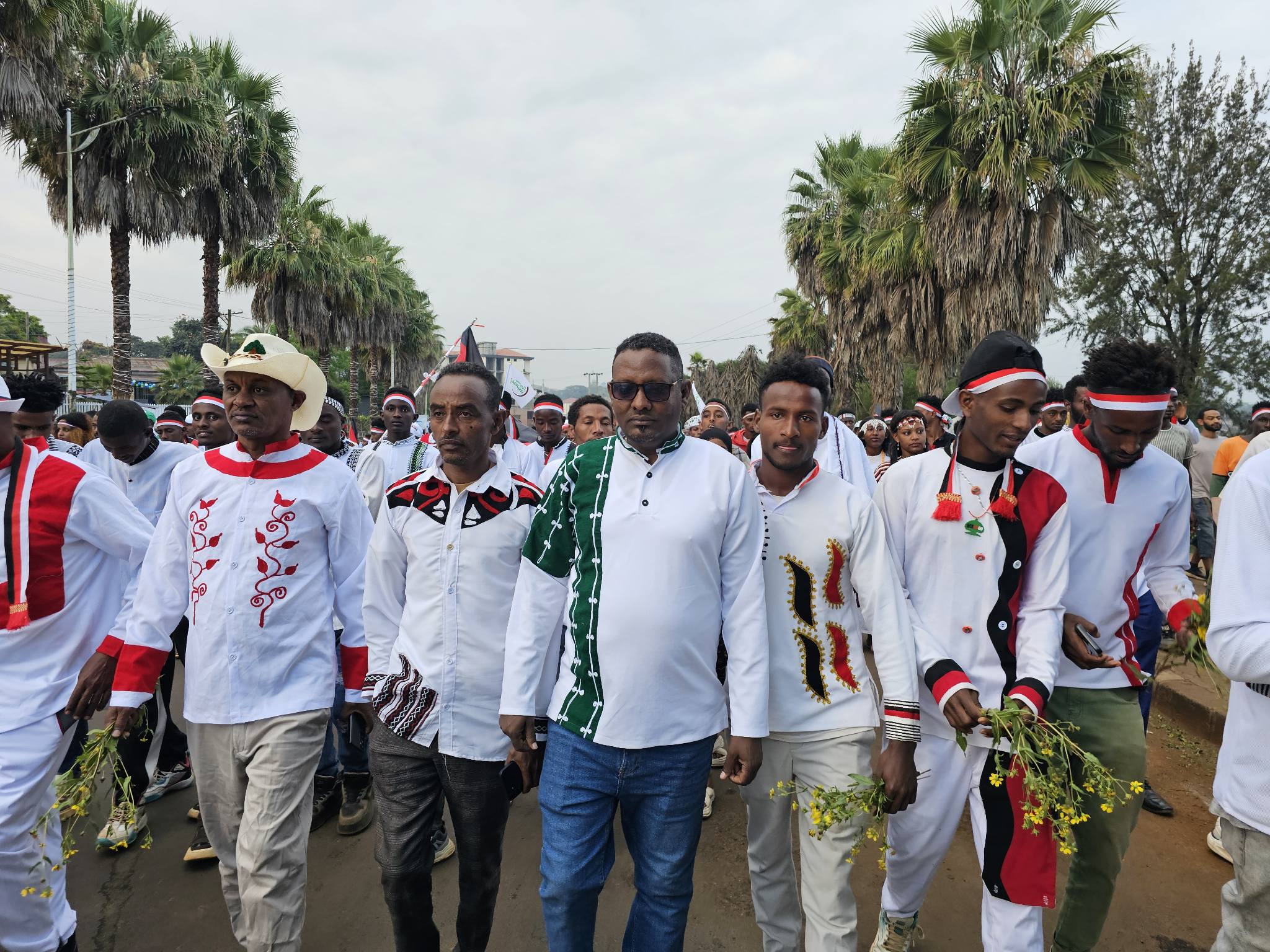
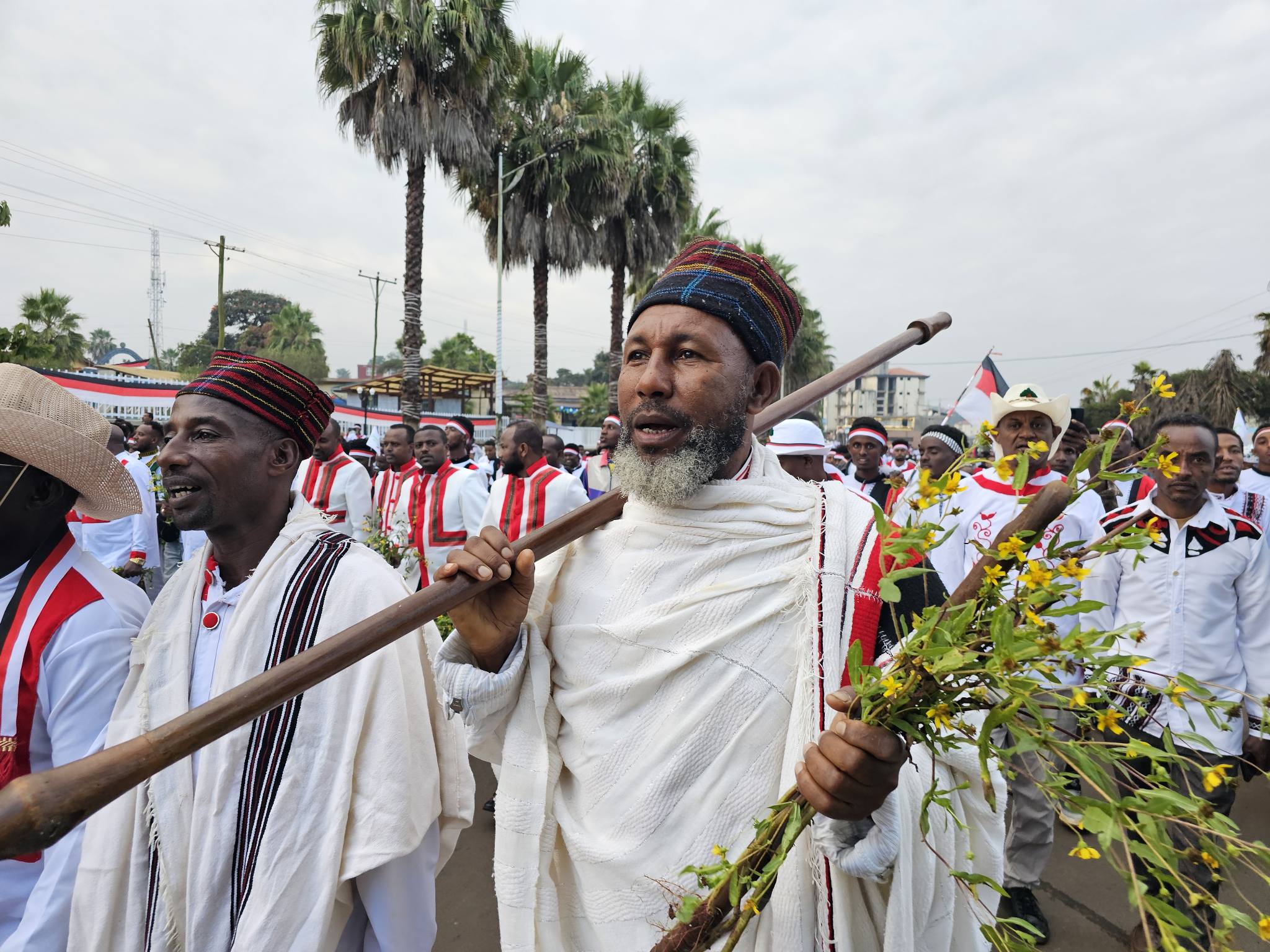
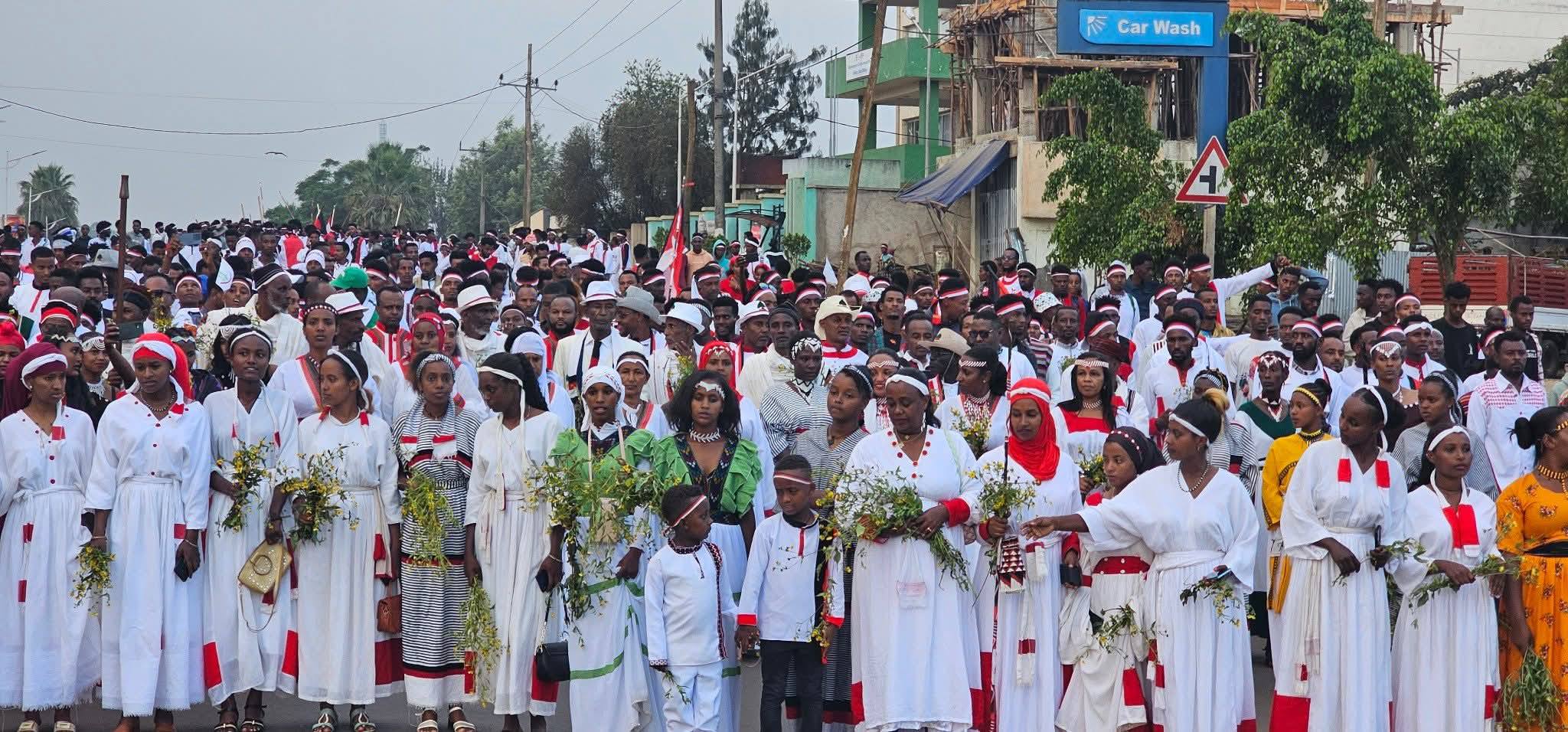
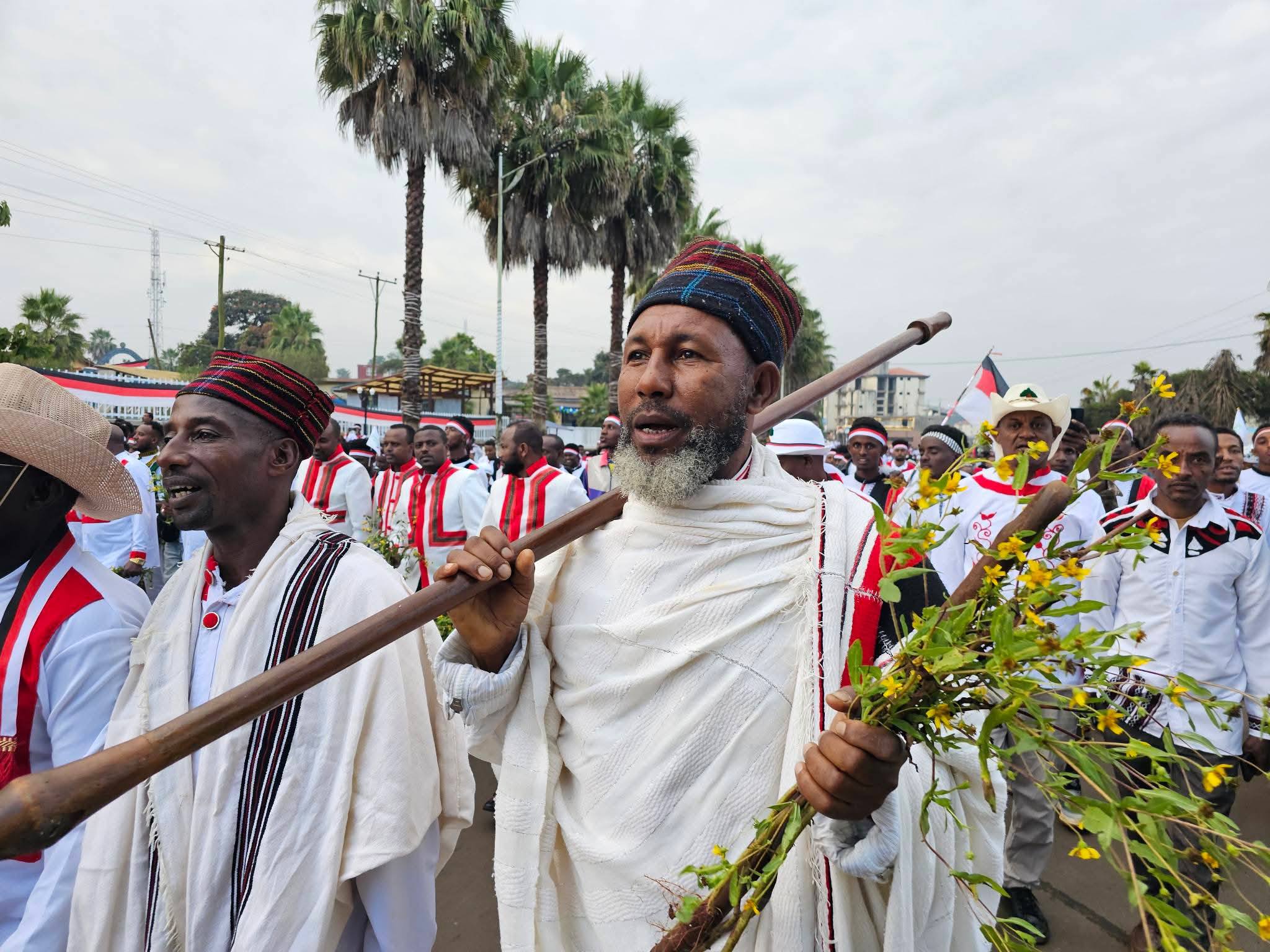
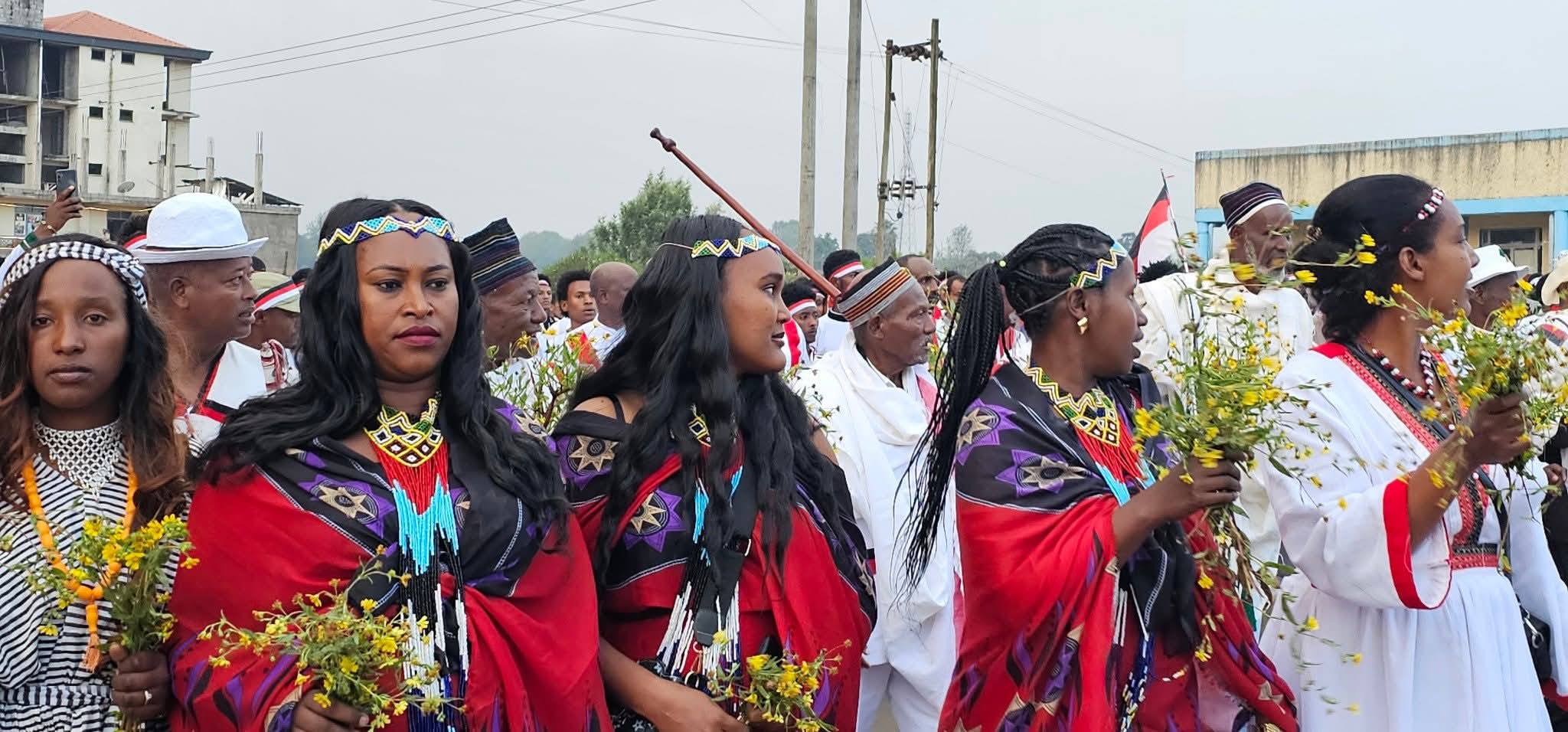
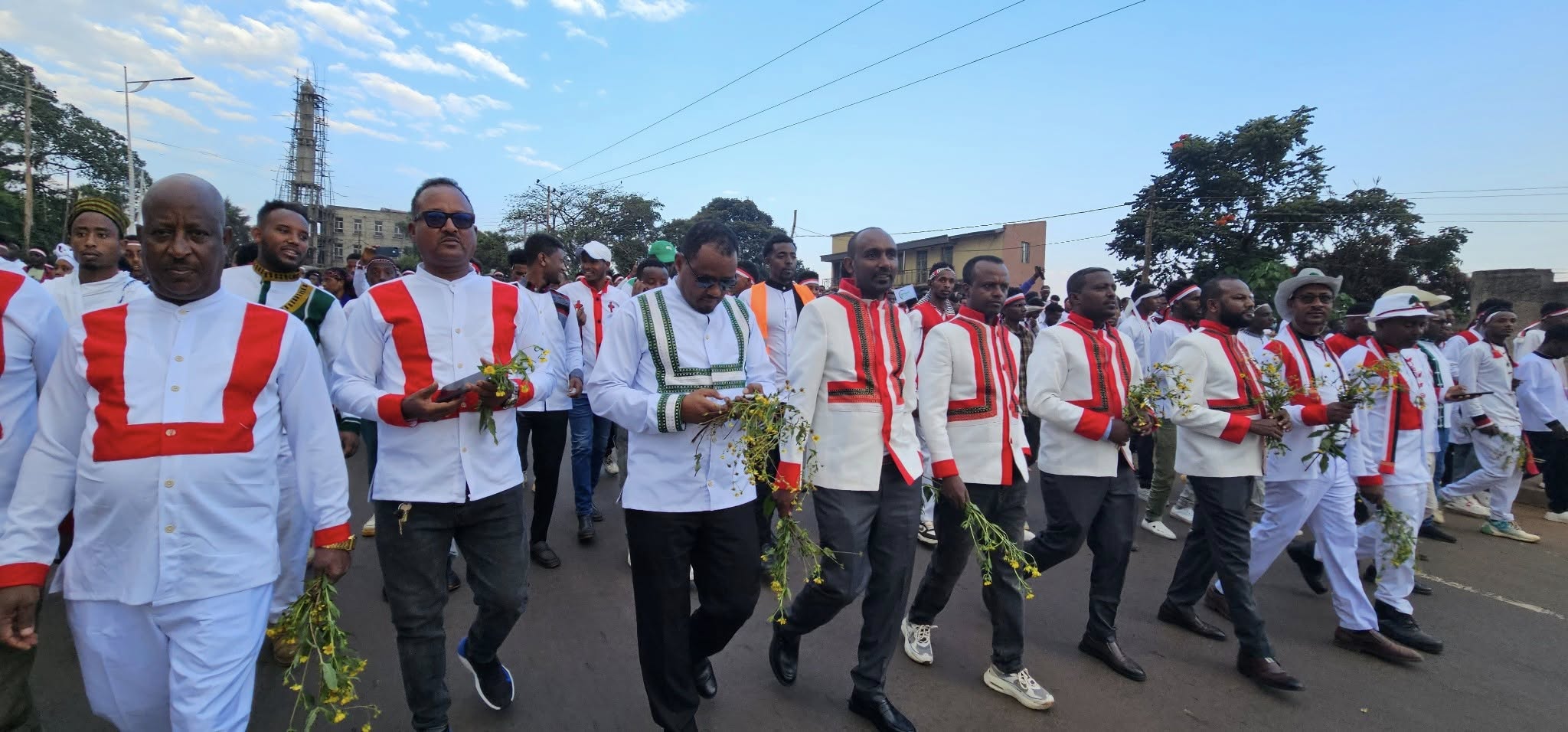
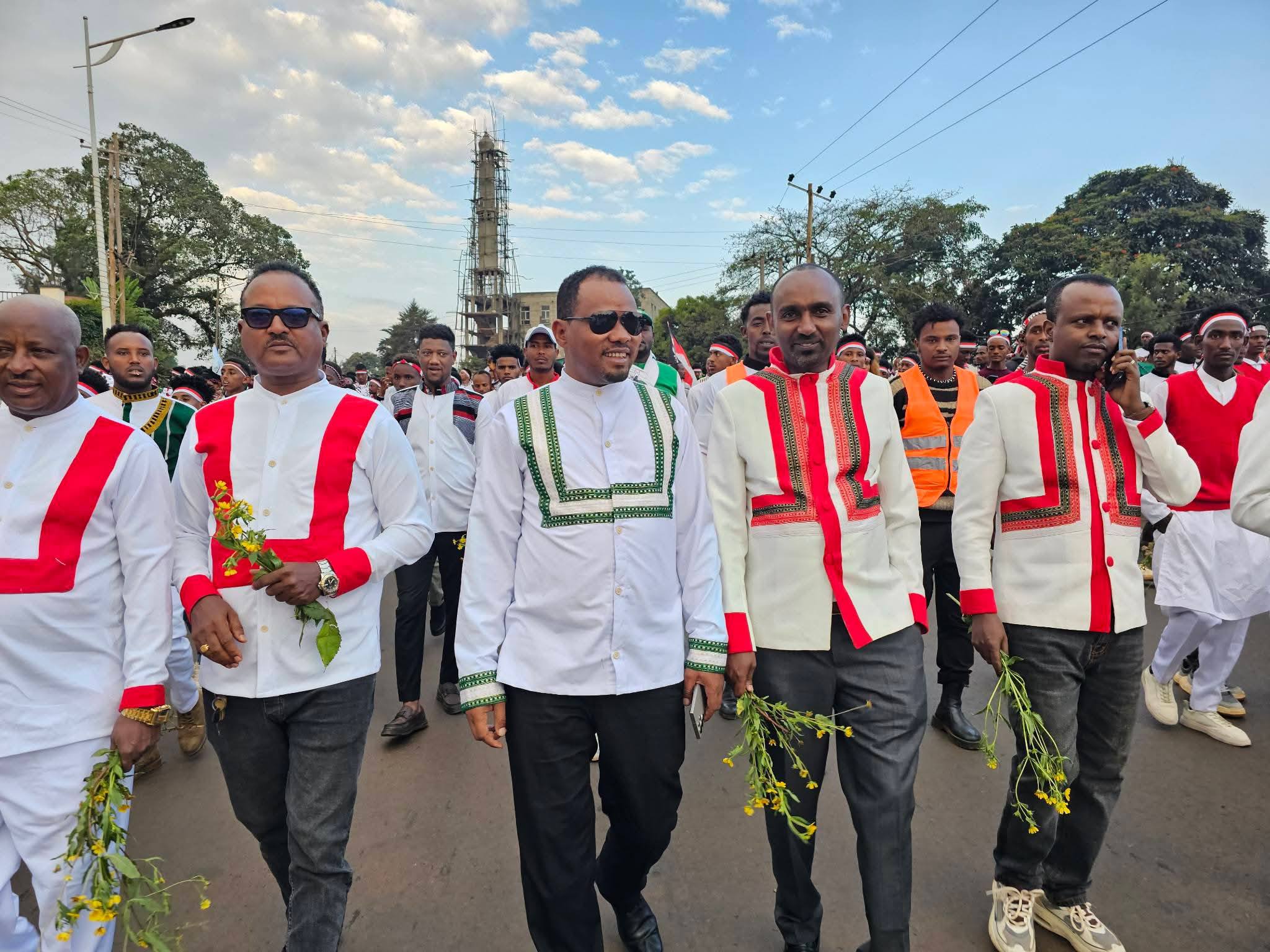
Malkaa Soor, Muddee 7, 2025 – Ayyaana Irreechaa Birraa hawaasa Oromoo magaalaa Mattuu fi naannolee godina Wallaggaa Lixaatti, bakka Malkaa Soor jedhamutti, kabajamaa jira.
Hirmaattoonni, kanneen keessatti Abbootii Gadaa, Haadholiin Siinqee, Qeerroon dargaggoo fi Qarreewwan jaarsa dabalatan, imala guddaa ta’een gara malkaa eegaluu jalqaban. Ummanni duudhaa uffatee, faana aadaa isaa waanuma fayyaduun gara iddoo ayyaanaatti imale.
“Duudhaa fi aadaa keenya ganama kana dhalootaaf dabarsina,” jedhaan tokkoon irreeffattootaa.
Yeroo fi Hiikkaa Isaa
Irreechi Malkaa Soor kun, akkuma ayyaannichi adda addaa biyyattii keessatti kabajamuu isaatiif, baca’aa xumuramuu, yeroo booqaa birraa bariitutti kabajama. Haala qilleensaa naannoo kanaatiif, Irreechi kun ji’a Sadaasaa (Muddee) keessatti, yeroo birraa dhumaatti, kabajama. Kanaafuu, waqtiin isaa ayyaannolee birraa naannolee birootaa caalaa xiqqaa itti dabaluu isaatiin mul’ata.
Kaayyoo Ayyaanaa: Galatafi Eebba
Kaayyoon baay’ee guddaan ayyaana kanaa galata Waaqaa galchuufi eebba fuul-duree kadhachuudha. Himootni eebbichaas:
“Yaa Waaqaa, dhagayaa kadhaa keenyaa, ifa baasaa nu baastee, sanyii facaasaa nuu biqilchitee, yeroo nagaa nuuf kenniteef, galata siif haa gahu.”
Eebbi fuul-durees:
“Midhaan alaa ga’e namaafi simbira wajjin nu soori, bara nagaa kan quufaa nuuf godhi, yaadaafi hawwii keenya nuuf guuti.”
Seenaa Dhoowwuudhaan Deebi’uu
Akka jaarsalleen ibsanitti, dhiibbaa siyaasaa sirnoota darbanii irraa ka’een, ayyaanni kun jaarraa hedduuf akka hin kabajamne ittifamaa ture. Haa ta’u malee, bara 2000 irraa eegalee, kan kabajamu ta’uu jalqabe. Kana booda waggaa-waggaadhaan kabajamaa jiraachuun itti fufe.
Kabajni kunis guddina isaa booda, haaromsa Sirna Gadaa Iluu bara 2007 fi Kabajaa Waggaa 1ffaa Sirna Gadaa Iluu bara 2008, bakka keessummaa ol’aanoon Malkaa Sooritti ta’een, haala ho’aafi miidhaagaa ta’een geggeeffame. Kun immoo dhaabbannaa ayyaanaa cimee, waggaa-waggaadhaan itti fufuun murteesse.
Sirna Faarfannaa fi Eebbichaa
Qindoomina ayyaanaa keessatti, irreeffattoonni marga jiidhaa fi abaaboo birraa harkaa qabatanii farsaa gara lagaa deemu:
“Ilil yaa Mareewoo, Mareewoo…
Alaa manaa nuuf toli, yaa Ayyooleeyoo…
Mee nutti araarami, yaa Ayyooleeyoo…”
Eebbi xumuraas, Abbaan Gadaafi Haadholiin Siinqee:
“Yaa Waaqaa, Birraa kanaan nu geesse, isa dhufuus nu gahi.”
“Yaa Waaqaa, akkuma mukka Odaa filatte guddifte, Ummata Oromoos akkasuma guddisi.”
“Yaa Waaqaa, qabbana Odaa jala dhaabbannee si kadhanna; qabbana kee nuuf buusi.”
“Yaa Waaqaa, akkuma umrii muka kanaa dheeressite, umrii keenyaas dheeressi.”
Irreechi Malkaa Soor, seenaa dhoowwuudhaan deebi’uu, aadaa dhalootaaf dabarssuu, fi nagaa Waaqaafi biyyaa waliin jiraachuuf yaadannoo guddaa ta’uun, kabajamaa jira.
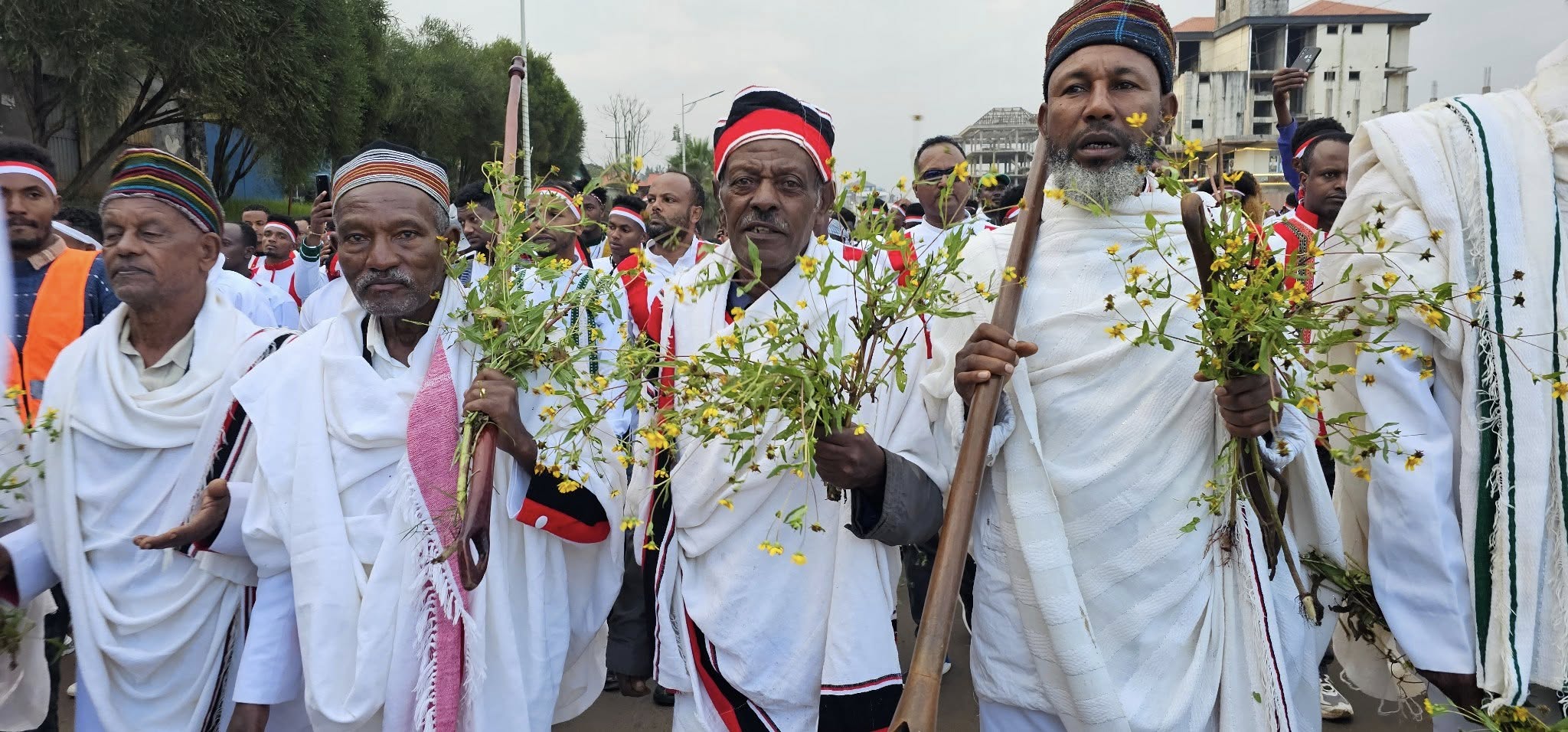





Sirna Gadaa: Hiriira Oromoo fi Seenaa Karrayyuu
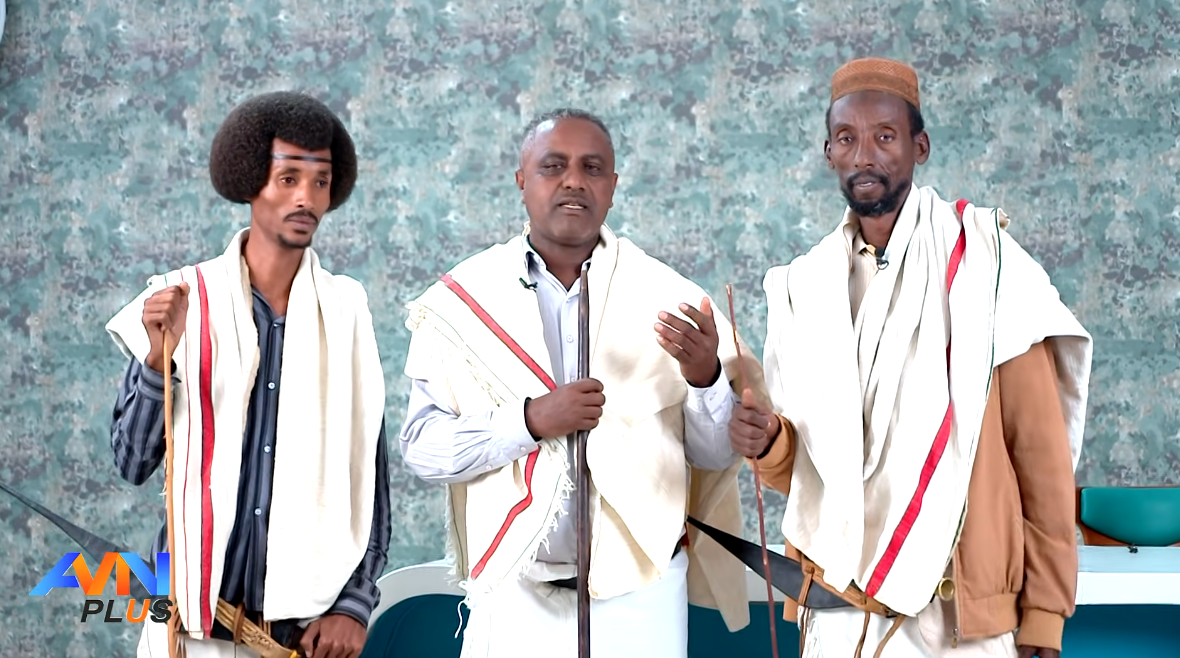
AMN PLUS- Sadaasa 24/2018
Bakka maluuf keessaa qooda dhabanii Gadaan isaanii xiyyeeffannoo dhabuu Roobaa Jiloo Luba Gadaa Dullachaa Karrayyuu AMN PLUS Roga Dubbiitti himan.
”Gadaan isaa akkuma Gadaa Oromoo biraa bakka argachuun wal nuuf qixxaatu barbaanna” jedhan. Giddugala Aadaa Oromoo keessaalee Abbaan Gadaa Karrayyuu Waajjira akka hin qabne eeruun.
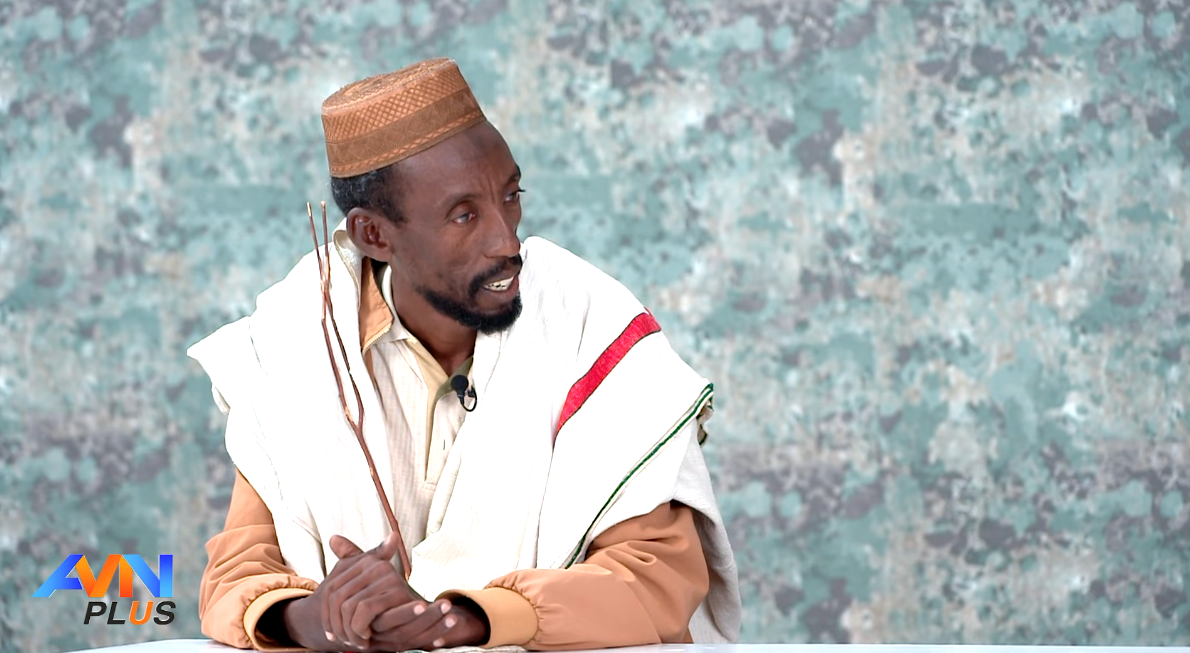
”Karayyuun daangaa hin cabsu, Laga hin cabsu, nama hin miidhu” kan jedhan Roobaa Jiloo, wal- dhabdee mudatus iccitiidhaan Gadaa keessatti ilaalee akka furu dubbataniiru.
Karrayyuu keessatti Sirni Gadaa laafee akka hin beekne kaasuun, seenaa keessattis maqaa lafaatiin moggaasni namaa kan walitti dhufu Karrayyuu qofa keessatti ta’uu ibsaniiru.
”Maqaa lafaa, mukaa, Gadaa, maqaa keenyaan walitti hirkifnee daba nutti dhufu ittiin ofii fi biyya keenya falmina ” jedhan.

”Gadaan bakka tokko tokkotti huuqqatee jira” kan jedhan Roobaa Jiloo, uummatni Oromoo, “Dabballee irraa kaasee guutummaa guutuutti tartiiba Gadaa bakkatti deebisuu qaba” jechuun dubbataniiru.
”Gadaan ilmoo rabbiiti, dhugaadha” jedhanii, Oromoon hundi kan wallaalee irraa alatti harkifatus ta’e, kan beekee itti siqes Gadaa gabbisuu qaba” jedhani
Akkuma “waan argan nyaatu malee waan argan hin dubbatan” jedhamu Karrayyuun iccitii walii qabatu jedhani Fantaallee Hawaas Raaba Gadaa Baasoo Karrayyuu.
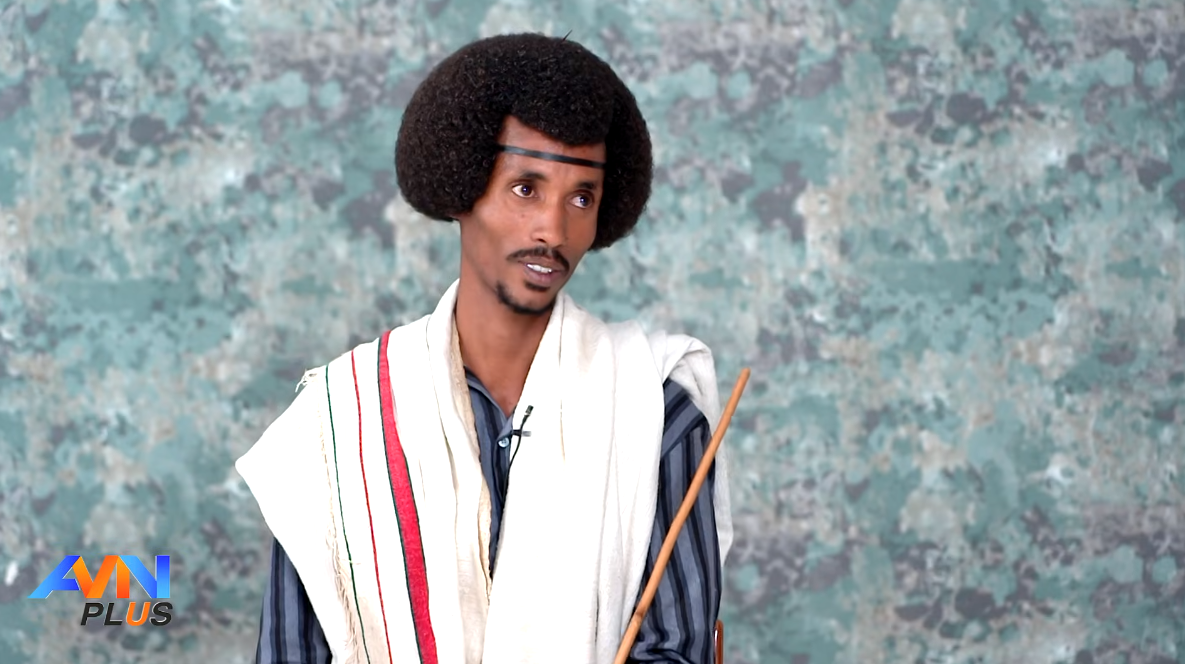
Seenaa keessatti maqaan sanyii maatii ofii akka hin banneef maqaan waliin naanna’a, maquma akaakkayuutiin ilmi akka moggaafamu himaniiru.
”Maqaa ilma angafaa akaakayyuu Karaa abbaatti akka moggaasan himanii, maqaa mucaa lammaffaa amma akaakayyuu Karaa haadhaatti moggaasu” jedhan Fantaallee Hawaas Raaba Gadaa Baasoo Karrayyuu.
”Gadaa jechuun nagaadha, sirni keessatti raawwatamus karaa nagaan ta’a” jechuun, bara kanas sirna buttaa qaluuf Godaanuuf akka jiran himaniiru.
Baatii 4 ffaa keessa godaansa warra baasuuf qophii irra akka jiran ibsaniiru.
Sirna sana keessatti namootni hirmaachuu qaban aadaadhumaan adda kan baafaman ta’uu kaasanii, namoota gumaata gara godaansaatti geessaniifis uffannaan kan kennamuuf ta’uu kaasaniiru.
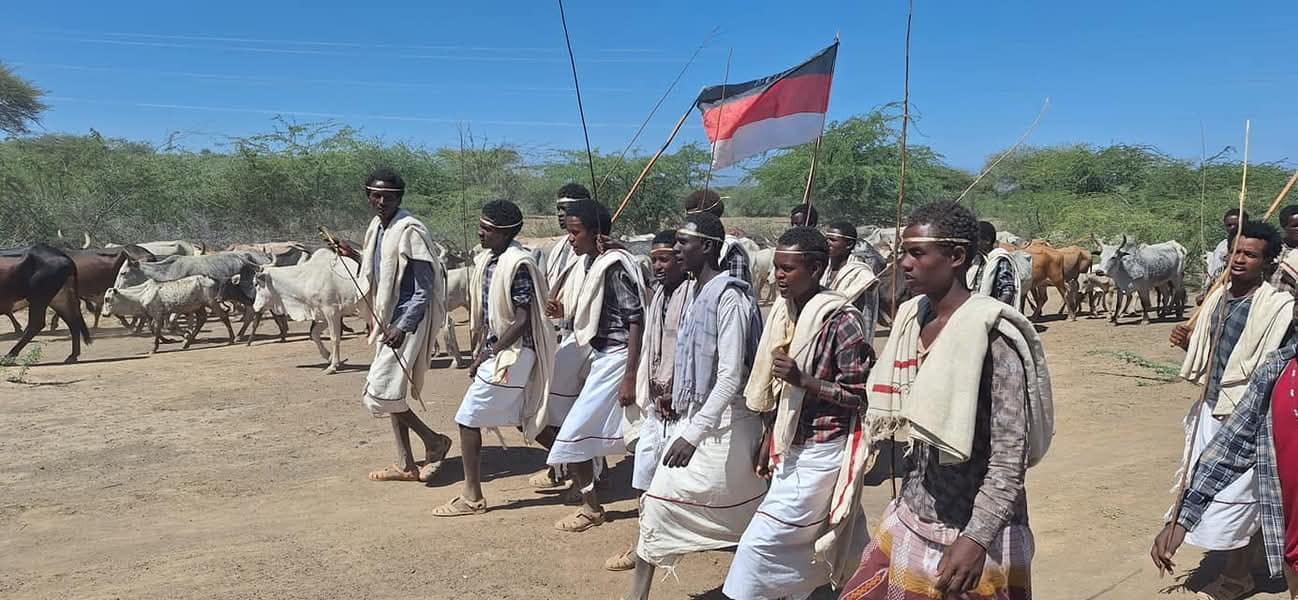
Gadaan Diimookiraasii, akkuma cidhaatti eebbaafi gamnachuudhaan aangoon dabarfamee wal harkaa sina itti fuudhamu ta’uu dubbatanii.
Guyyaa godaansa Gadaa isaanii kanattis mootummaanis ta’e, uummatni Oromoo biyya keessaafi alaa tumsa adda addaa akka taasisuuf turtii AMN PLUS Qophii Roga Dubbii waliin taasisaniin waamicha dhiyeessaniiru.
Daraartuu Tarreessaatiin
Oromo Communities Under Siege: A 20-Year Conflict Overview

HNN: The Price of Conflict – A Chronicle of Suffering in Chinaksen, Makanniisa Oromo, and Tulluu
Part One: Two Decades of Unrelenting Aggression
For over 20 years, the Oromo communities residing in the lands of Chinaksen, Makanniisa Oromo, and Tulluu have endured relentless attacks. These assaults have been carried out by forces of the Somali Regional State and armed factions of the Somali ethnic group. Living in a state of perpetual siege, these communities have never known a moment free from the threat of violence.
Women and children, in particular, are trapped in an endless cycle of terror and displacement. The joint military operations—codenamed A.L.A—conducted by the Liyu Police of the Somali Region and supported by these armed groups from 2004 to the present have had a singular, brutal objective: to exterminate, dispossess, and erase.
The strategy is systematic: **kill** those who resist, **forcibly displace** the survivors from their ancestral lands, and **loot or destroy** all their property. The victims of this war of aggression are countless. They include Oromo children, women, peaceful civilians, and even Oromia regional militia and police officers, with casualties estimated in the thousands.
The following list names just a fraction of the Oromo individuals killed by Somali attackers. It is not exhaustive and primarily documents victims from 2020 onward. A forthcoming analysis will provide detailed statistics on the total casualties (2020-2025), the scale of property destruction, and the systematic looting that has accompanied this campaign of forced displacement.
—
List of Victim Names: Oromo Sons of Chinaksen and Makanniisa Oromo
1. Aadam Usmaa’il Ahmad
2. Abdeeq Mahamud Abdulahi
3. Abdi Ali
4. Abdi Kalif
5. Abdi Xahir
6. Abdi Adam Ali
7. Abdi Adam Yuusuf
8. Abdi Ahmad
9. Abdi Ahmad Adam
10. Abdi Ibrahim Abdi
11. Abdi Ibrahim Adam
12. Abdi Iseemuhumad
13. Abdi Mahamud Ahmad
14. Abdi Samatar Muhumad
15. Abdi Feeysal Ibrahim
16. Abdii Jibriil
17. Abdii Issee
18. Abdii Aadam Jamal
19. Abdii Abtidoon Huseen
20. Abdii Adam Ow Issee
21. Abdii Ahmad Abdii
22. Abdii Ahmad Mu Mad
23. Abdii Ahmad Xahiir
24. Abdii Ahmadee
25. Abdii Farah Hassan
26. Abdii Ibroo Abdullee
27. Abdii Issee Ow Abdii
28. Abdii Kadar Ahmad Gu Reey
29. Abdii Mahamad Ow Muyadiin
30. Abdii Mu Humad Mahamud
31. Abdii Muhumad Mahamud
32. Abdii Mussaa Gu Reey
33. Abdii Nuur Adam Hassan
34. Abdii Ow Issaa
35. Abdii Umaar
36. Abdii Xahiir
37. Abdii Yuusuf Mu Mad
38. Abdii Alii Faraah
39. Abdinasir Indoo Buur
40. Abdinur Adam Hassan
41. Abdinur Mahamad Hassan
42. Abdi Nuur Abdi Doon
43. Abdinuur Mahmad Hassan
44. Abdirashiid Abdullahi Asgar
45. Abdu Naasir Hashim Yusuf
46. Abdu Razaaq Ahmad
47. Abdu Razaq Ahmadee Muhu Mad
48. Abdulfata Abdullah
49. Abiib Ahmad Iggee
50. Abiib Geedi Yuusuf
51. Abrahiim Ahmad Gu Reey
52. Abshiir Ali Usmaan
53. Abshir Ha/Ahmad
54. Adam Abdii Usmaan
55. Adam Imaan Farah
56. Adam Mahamud Alii
57. Adam Mussaa
58. Adam Shun Mahamad
59. Ahamad Ibrahim Abdullahi
60. Ahmad Yuuyaa
61. Ahmad Abdii Abiib
62. Ahmad Abdii Adam
63. Ahmad Idiris Soodan
64. Ahmadnur Mahamad Idlee
65. Ali Abdii Mahamad
66. Ali Abdulahi Ahmad
67. Ali Abdurahman Husseen
68. Ali Habannee
69. Ali Imaan Dukalee
70. Ali Isaaq Muhumad
71. Ali Sheek Mussaa
72. Alii Issaaq
73. Alii Abdu Rahman Yusuf
74. Alii Habbanee Aammee
75. Amadee Muussaa
76. Araab Muhu Mad
77. Aydiid Adoosh Ahmaad
78. Badee Abdi Abdulahi
79. Basassoo Abdii Ahmad
80. Bashiir Ali Xahiir
81. Buduul Xahir Usmaail
82. Daawwee Abdullaah
83. Faraah Mussaa Ahmad
84. Faraah Abdi Yusuf
85. Faraah Dhagoolee
86. Farahaan Abdulaahi
87. Farahan Abdu Nasir
88. Farahan Ahmad Issee
89. Farahan Harreed
90. Farahan Mahamud Ahmad
91. Farahan Rashid Abdullahi
92. Farhaan Ahmad
93. Farhaan Hareed
94. Fu’aad Abdullah Yusuf
95. Guddon Adam Mahamad (Shun)
96. Haawaa Abdii
97. Habiib Abadiir Ali
98. Habsa Husseen Amad
99. Hannaa Hussen Ahmad
100. Hasan Abdii Xahiir
101. Hasan Farah Adam
102. Hasan Mahamade Muhumad
103. Hasan Xayib Mahamad Abdi
104. Hashi Aleel
105. Hassaan Faraah Adam
106. Hassan Abdi Ibrahim
107. Hassan Abib
108. Hassan Adam
109. Hassan Ali Ahmad
110. Hassan Alii Nuur
111. Hassan Dawid
112. Hassan Dayib Mahmmad Abdi
113. Hassan Farah
114. Hassan Ibrahim Ali
115. Hassan Mahamad
116. Hassan Mahamad Bidaar
117. Hassan Mahamad Muhumad
118. Hassan Qaasim Muhumad
119. Hassan Umar Ali
120. Hassan Yusuf Ibrahiim
121. Hassannur Hilin
122. Hassn Usma’il Gu Reey
123. Huseen Adam Bahadoon
124. Husseen Jibril
125. Husseen Abdii Xahiir
126. Husseen Ali Bariis
127. Husseen Arab
128. Husseen Jibril Ahmad
129. Husseen Yuusuf Hassan
130. Hussen Abdu Lee
131. Ibraahim Abdii Aammee
132. Ibraahim Ali
133. Ibraahim Gu Reey
134. Ibrahiim Abdii
135. Ibrahiim Husseen
136. Ibrahiim Adam Keeyshee
137. Iliyaas Mahamad Mussaa
138. Jamaal Abdullee Muussee
139. Jamal Ahmad Hashii
140. Kadar Hassan Faraah
141. Kadar Jigree
142. Kadar Mowliid
143. Kadarmahamad Jibriil
144. Kadiire Qeebe
145. Kadiir Muktar
146. Kaliif Ibraahim Mader
147. Kon/Abdii Adam Yk (Yaree)
148. Kon/Kadiir Abdurahaman
149. Mahadi Ali Heydar
150. Mahadii Abdii Haajii
151. Mahad Mahamad Hassan
152. Mahamad Habib
153. Mahamad Hassan Adam
154. Mahamad Hassan Ibrahim
155. Mahamad Abdulahi Hassan
156. Mahamad Abdulahi Bilal
157. Mahamad Abdulahi Doolal
158. Mahamad Ahmad Hashii
159. Mahamad Arab Ahmad
160. Mahamad Mahamud Mussa
161. Mahamad Nu Re Adam
162. Mahamad She/Mussaa
163. Mahamad Usmaa’il
164. Mahamad Usmaa’il (Indabur)
165. Mahamad Usmaan
166. Mahamad Xahiir Amad
167. Mahamad Adam Usmaa’il
168. Mahamad Ali Habiib
169. Mahamad Alii Abdullaah
170. Mahamad Amad Kabiroo
171. Mahamad Musse Ibrahim
172. Mahammad Abrahimee
173. Mahammad Nuuree Adam
174. Mahammad Yuyaa
175. Mahamud Artee Amad
176. Mamadin
177. Mowlud Mahamud Amboo
178. Muhumad Hassan Abdulahi
179. Mursal Ahmadnuur
180. Musadhere Ahmad
181. Mussa Adam Abdii
182. Mussa Ow Abdiumar
183. Muussa Awo Abdiumar
184. Muyyaddiin Adam Xahir
185. Nasiir Usmaanee
186. Nimaan Askaar
187. Qasiim Abdii Adam
188. Rashid Ahmad Ali
189. Rashid Ahmad Hassan
190. Rashiid Adam Igee
191. Rashiid Usmaan Alisho
192. Rudwaan Abdii Hassan
193. Shamshadin Abdusalam
194. Sharaf Mahamad Ukash
195. Shu’eeb Faysal Muhumad
196. Shu’eebi Abdii Mahamad
197. Siyaad Ahmadiftin
198. Siyad Abdi Karee
199. Toofiq Umaar Faxansaa
200. Umaar Mahamad Abduulahi
201. Umar Abdulah Habiib
202. Umar Abdullah
203. Umar Abdullahi
204. Umar Abrahim
205. Umar Ahmad
206. Umar Ahmad Mussa
207. Umar Farah
208. Umar Mahamad Hussen
209. Usma’iil Ahmad
210. Usma’iil Ahmad Muhu Mad
211. Usmaa’iil Abdulaahi Xahiir
212. Usmaa’iil Farah Hassan
213. Usmaa’il Amad Adam
214. Usmaa’il Yusuf Umar
215. Usmaa’il Ahmad Adam
216. Usmaan Mahamad Hassan
217. Usmaan Mussa Umaar
218. Xahiir Abdii Ahmaad
219. Xayib Geellee Askar
220. Xayib Umar Filfil
221. Xayib Usma’il Muhumad
222. Xayiib Ahmad Ibro
223. Xayiib Musaaa
224. Xayyiib Hassan Alii
225. Yaayee Aliyyi Abdulahi
226. Yahayaa Ahmad
227. Yasiin Usmaan
228. Yasinee Ahamad
229. Yoniis Yuyaa Adam
230. Yusuf Aadam Usmaan
231. Yusuf Farah Ali
232. Yusuf Alimuhumad
233. Yuusuf Ahmad
234. Yuusuf Jamaa Ashuur
235. Zakariyaa Abrahiim Adam
236. Ziyaad Ahmadiftin
237. Ziyad Abdii Karee
238. Ziyad Ahmad
**By Ilias Abdella Mohammed**
**December 02, 2025**
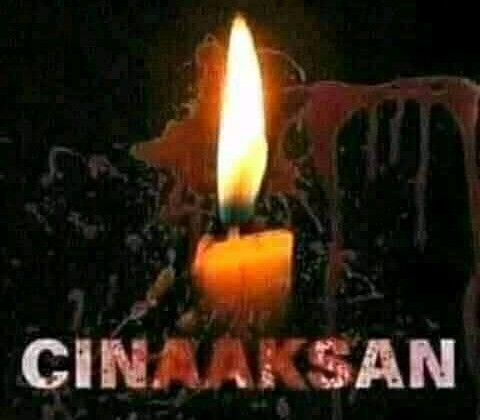
Seenaa Gadaa: Ajjeecha Fi Dhukaasa Godina Shawaa Bahaa

Godina Shawaa Bahaa, Aanaa Fantaallee, Bakka “Mootoma Kaarra” jedhamutti ta’e.
Guyyaa Mudde 1, 2021, guyyaa Roobii ture. Abbootiin Gadaa, Jarri Michillee ka Dullachaa, waaq-kadhataa bullanii, buna ganamaa dhugatanii, mana wallirra ya’anii wal biifatan. Wal jalaa eebbisanii, qe’etti horii bobbaafachuun deeman. Halkan galgala waaq-kadhataa bu’uun manatti deebi’anii rafan.
Horiin isaas yeroo boodaa qe’umatti deebi’ee bobba’e, qalbii nagaaan hordofee itti aane. Naannoon kun naannoo nageenyaa, qe’ee Gadaa, qe’ee siyaasa kamirraas bilisaa ture. Waraanni mootummaa qe’ee kana dhufuun waan nuu godhu hin shakkine. Diinni ofirraa eeganis, humni finxaaleyyii Am**raa Faannoo ofiin jedhu Qorkee fi Gororaa irraa qofa ture. Diina biraa eessaa akka dhuftu hin yaadanne.
Garuu, waan ofirraa hin eegneen isaanitti dhufe. Waraanni mootummaa—milishaa, humna addaa Oromiyaa, fi poolisii idilee—qe’ee warra Gadaa mooraa dhufe. Dhufuu qofa, moti dhufanii, eddoo (abbaa-duulaa) warra Gadaa sheenuf yaalan.
Eddoon Gadaas, qaama hidhate dhiisii, qaamumti beekamtii Gadaa wajjin akka argite hin sheenamu. Kabajaa fi safuu qabdi. Ittiin bulmaata mataa isii qabdi. Kaay’oo isii dabartee deemuu hin dandeessu. Yoo didde, dabartee qe’ee isiittu jiraata. Akkuma mooraan biyya bulchu, mooraan Gadaas eeggannoo fi dandeettii bulchaa ofii qaba.
Waraanni kun safuu hundaa cabsee, eddoo sheene. Yeroo san, warri Korma Garaa hidhee, miseensonni Gadaa, fi jaarsonni mooraa faajjii Gadaa fidaniif agarsiisanii, seera qe’ee sanii himaniif: “Akka isaan itti hin sheenneef ofirraa kadhaa.”
Waraannis “Lakkii! Nuti isin miidhuufii motii walitti nuu qabamaa” jedhan. Warri meeshaa harkaa qabu tarkaanfii ofirraa deebisuu qophaa’anii turan. Yeroo kana jaarsonni isaan dhaabanii, “Qawween yoo asitti dhiifti, ijoolleen fi dubartoonni hin hafanu. Ijoolleen fi dubartoonni qe’ee kanaatti dhiiga dhangala’u. Nuti waan feene haa ta’u” jedhanii.
Ergasii daa’imaa fi dubartiif jecha, meeshaan isaanii lafa kaayan. Waraanni mootummaa meeshaa mana hunda funaane. Dubartii fi dhiira hundaa walitti qabee, kiilomeetira tokkoo fagaatee deemsisee, dubartii gadi lakkise.
Dhiiraa guutuus bakka “Dhakaa Nyaaqoo” jedhamutti geessan. Achittis, Abbaa Bokkuu, warra Korma Garaa hidhee, Qaalluu, fi jaarsa Gadaa adda baasanii, fuula lafatti gadi deebisanii, harka matarraan qaxxamursanii akka ciciisan ajajan. Warri kaanis akkuma kana ciciifamanii booda, konkolaataan fe’amanii deeman.
Gareen Abbaa Bokkuu, Korma Garaa, fi jaarsa Gadaa, ammoo bakka “Dhakaa Cabbii Aanolee” jedhamutti geessanii, ammas fuula gadi deebisanii, harka hidhanii, tumuu eegalan. Erga qaama isaanii quncisanii booda, korommiin Michillee sagalee xumuraa dhageessise: “Yaabboo! Nuttin taphatinaanii jirtan, silaa meeshaa harkaa qabdaniif qawwee nutti dhukaasaa, nu fixaa!”
Waraanni isaanitti taphataa ture konkolaatota baay’ee fi ajajoota dabalatee dhufe ture. Warri Godina Shawaa Bahaaatiifi bulchaan Aanaa sanaa tureefis bilbilaan itti himaman ture. Isaan irraa namni tokko abbootii Gadaa kanaa wallaale hin turre; garuu akka rashanamaniif ajaja isaanii kennan ture.
Dhuma irratti, namoota 16 ramadamaniif. Yeroo warri meeshaa dhaabanii qophaa’an, abbootiin Gadaa kana jedhan: “Sa’atiin itti ajjeefamtan waan ga’eef, waan kiisaa qabdaniif baasaa nuu kennaa.” Isaanis kiisa isaanii keessaa maallaqa funaananii, erga isaaniif kennanii booda… rashanan. 😭
Abbootiin Gadaa kun bakka namni hin geenyetti geeffamanii rashanaman. Maatiin fi biyyi eessatti akka dhumanillee dafanii hin beekanu. Booda dhagayanii reeffa fudhatuuf dhaqan, waraanni lolaa itti bobba’e. Dhumarratti, yeroo bira gayan, reeffi isaanii eenyuu akka ta’e hin beekamneen, bineensa nyaatame ture.
Akkasitti, korommiin Michillee fi Gadaa Oromoo hanbaa osoo wal hin dhiifatin, boolla takkatti galtaniiru. 😭
#Yaadannoo_Abbootii_Gadaa_Karrayyuu #Mudde_1, 2025
The Case for Dual Citizenship in Ethiopia

In our increasingly interconnected world, the Ethiopian diaspora represents a vast reservoir of talent, capital, and cultural richness. To fully harness this potential, the Ethiopian government should formally recognize dual citizenship. This policy shift is a strategic imperative for national development, moving beyond outdated notions of exclusive allegiance to embrace a more inclusive and pragmatic vision of Ethiopian identity.
The current denial of dual citizenship creates an artificial and counterproductive divide. It forces a choice between a new life abroad and a fundamental connection to their homeland, stifling the very contributions the nation needs. The benefits of reform are clear and compelling:
- Economic Growth: Dual citizenship would unlock significant investment. By granting diaspora Ethiopians the full rights and security of citizenship, they would be empowered to invest more confidently in businesses, real estate, and the stock market, directly fueling entrepreneurship and economic growth.
- Knowledge and Cultural Exchange: This policy would fortify the bonds of culture and knowledge. It facilitates the seamless flow of ideas, skills, and heritage, ensuring that future generations remain connected to their roots and actively engaged in Ethiopia’s cultural and intellectual landscape.
- Political Engagement and Unity: Granting dual citizenship integrates the diaspora into the nation’s democratic fabric. It provides a formal voice in Ethiopia’s future, transforming alienation into engagement and fostering a stronger, more unified global Ethiopian community.
- Global Competitiveness: Ethiopia is currently an outlier. Many nations across Africa and the world actively leverage dual citizenship to engage their diaspora. To compete for global talent and investment, Ethiopia must modernize its citizenship laws and join this progressive trend.
Ultimately, accepting dual citizenship is more than a legal update—it is a profound commitment to inclusivity and progress. It is a recognition that the strength of a nation lies not only within its borders but also in the hands of its global citizens. By embracing its diaspora, Ethiopia can unlock a new chapter of development, unity, and shared prosperity.
የአባት ዶቲ ቱራ አጭር የትግል እና የህይወት ታሪክ

አባት ዶቲ ቱራ ከቀደሙት የትምህርት ጠበቃዎችና ለህዝባቸው ነጻነት የቆመው ከጥቂቱ ታጋዮች መካከል አንዱ ነበሩ። የትምህርት ኃይል በሙሉ የሚያስተውሉትን ብርሃን ለሌሎች ለማካፈል ያልተዳከሙ የእውቀት አባት ነበሩ።
በምዕራብ አርሲ ዞን፣ ነጌሌ አርሲ ወረዳ ከተወለዱ በኋላ፣ አባት ዶቲ ከህጻንነታቸው አንስቶ ለህዝባቸው የሚደርሰውን እውቀታዊ እና ማንነታዊ ጭፍጨፋ አስተውለው ነበር። በንጉሠ ነገሥቱ ዘመን የመጀመሪያ ደረጃ ትምህርታቸውን እስከ 5ኛ ክፍል ካጠናቀቁ በኋላ፣ በጎቤና በመቂ (ምሥራቅ ሸዋ) ከተሞች እንደ መምህር ተመድበው ለብዙዎች የእውቀት ብርሃን አበራላቸው። በእግራቸው ብዙ ኪሎሜትሮችን ተጉዘው ትውልዳቸውን በትምህርት ለማሳደግ አስተዳደሩ።
የአባት ዶቲ ትግል ግን በመማርና በመማር ብቻ አልተገደበም። የኦሮሞ ማህበረሰብ ባህል፣ እሴት እና ማንነት እንዲያድግ በማድረግ፣ እንዲሁም በወቅቱ ከነበረው አስተዳደራዊ ስርአት ለመጣል መንገድ አሳይተዋል። ወደ አዲስ አበባ ከመጡ በኋላ፣ ከመምህርነት በተጨማሪ የተለያዩ የንግድ ስራዎችን በመከናወን ሀብት አፍርተው፣ ይህንንም ሀብት ሙሉ በሙሉ ለኦሮሞ ሕዝብ የነጻነት ትግል አበረክተው።
በ1960 ዎቹ የተነሳውን የትጥቅ ትግል፣ የተማሪዎች ንቅናቄ እና የመጫና ቱለማ ማህበር እንቅስቃሴ በገንዘብ እና በሙያ ረድተዋል። አባት ዶቲ በኦሮሞ የትግል ታሪክ ውስጥ ከቄስ ጉዲና ቱምሳ፣ ጃል ባሮ ቱምሳ፣ ጃል ሞቱማ አብዲ እና ጃል መገርሳ በሪና ከሌሎችም ጉምቱዎች ጎን ለጎን ቆሞ በጋራ ያገለገሉ አንዱ ናቸው።
ለዚህም ትግላቸው ዋጋ፣ ከቄስ ቱምሳ ጉዲና ጋር ለ10 ዓመታት በእስር ታስረዋል። ከኃይለሥላሴ መንግሥት አስተዳደር እስከ ወያኔ መንግሥት ዘመን ድረስ በተደጋጋሚ እስርና እንግልት ከደረሰባቸው በኋላ፣ ሀገራቸውን ለቅቀው ለመሰደድ ተገደዱ። ትግላቸው ግን በስደት ያለባቸው አሜሪካ፣ ፖርትላንድ ግዛት ላይ ቀጠለ።
አባት ዶቲ በስደት አገር በረጅም ህመም ከተያዙ በኋላ በህክምና ሲረዱ ቆይተው በህዳር 18 ቀን 2018 ዓ.ም ከዚህ ዓለም በሞት ተለዩ። ዜና ህልፈታቸው ለሚያውቋቸው ሁሉ ጥልቅ ሐዘን ፈጥሯል።
የቀብር ሥርዓት
የአባት ዶቲ ሬና ከአሜሪካ አገር ነገ ጠዋት 1:00 ሰዓት (ማለዳ) ቦሌ ዓለም አቀፍ አውሮፕላን ማረፊያ ላይ በክብር ይቀበላል። ከዚያም ወደ ባቱ-ዝዋይ ከተማ (5:00 ሰዓት) እና ነጌሌ አርሲ ከተማ (7:00 ሰዓት) በሚደረግ ስነ-ስርዓት ከተሰናበተ በኋላ፣ ስርዓተ ቀብራቸው በትውልድ ሀገራቸው ኩየራ አድቬንቲስት ቤተ ክርስቲያን ከቀኑ 8:00 ሰዓት ላይ ይፈጸማል።
የአባት ዶቲ ወዳጆች፣ የቃል አዛውንት እና አድናቂዎች ሁሉ በዚህ አሳፋሪ ጊዜ በስነ-ስርዓቱ ላይ ተገኝተው የመጨረሻ አዳም ስግደት እንደሚሰጡ በሙሉ ክብር እንጠይቃለን።
ለቤተሰቦቻቸው፣ ለዘመዶቻቸው እና ለኦሮሞ ሕዝብ በጠቅላላ መጽናናትን እንመኛለን። ለዘላለም ይታሰባሉ!
Irreecha Festival at Hora Shaankurii Celebrates Peace, Unity, and Gratitude
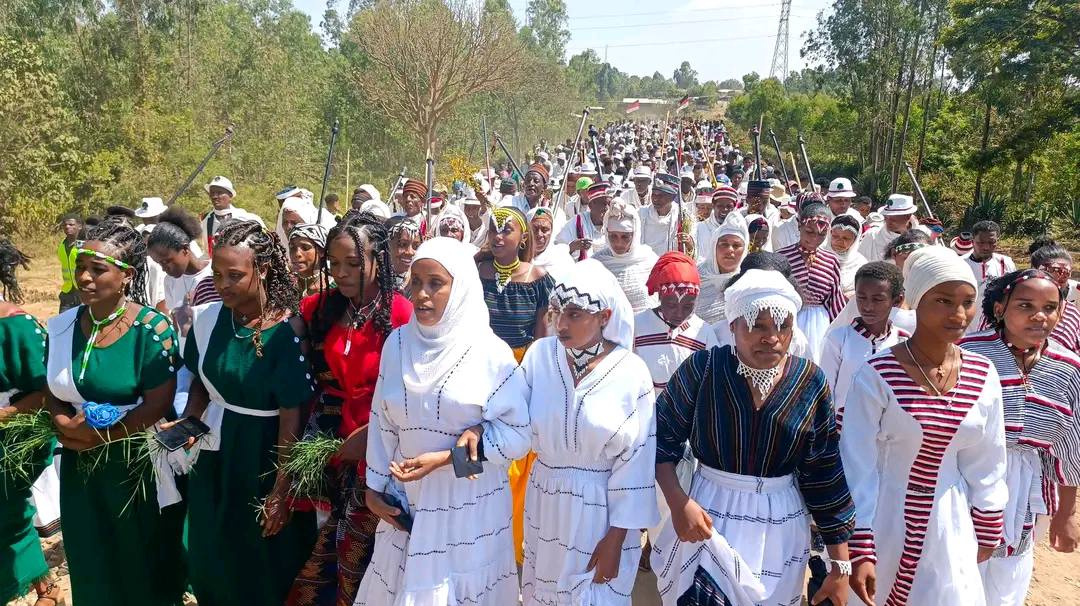
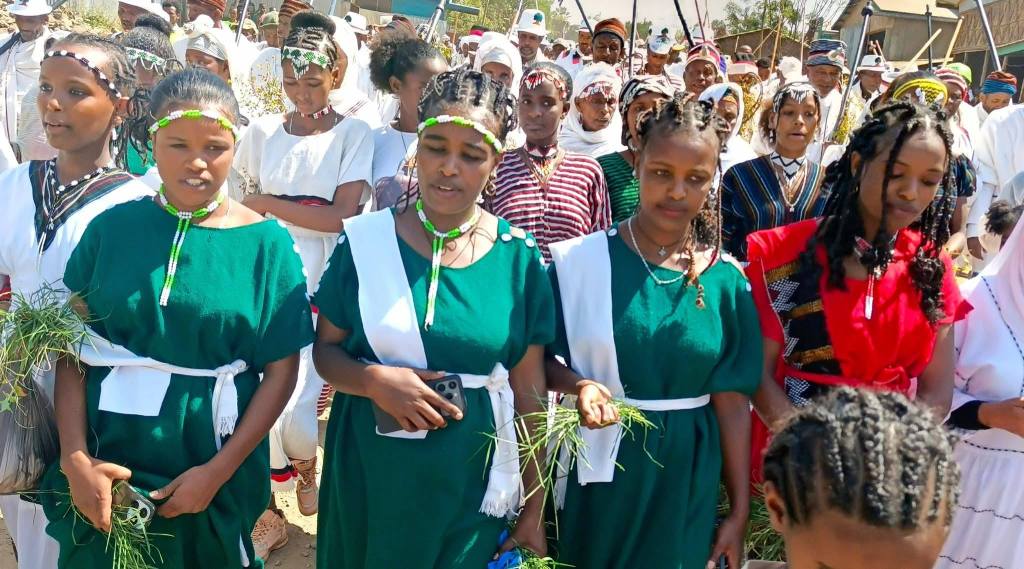
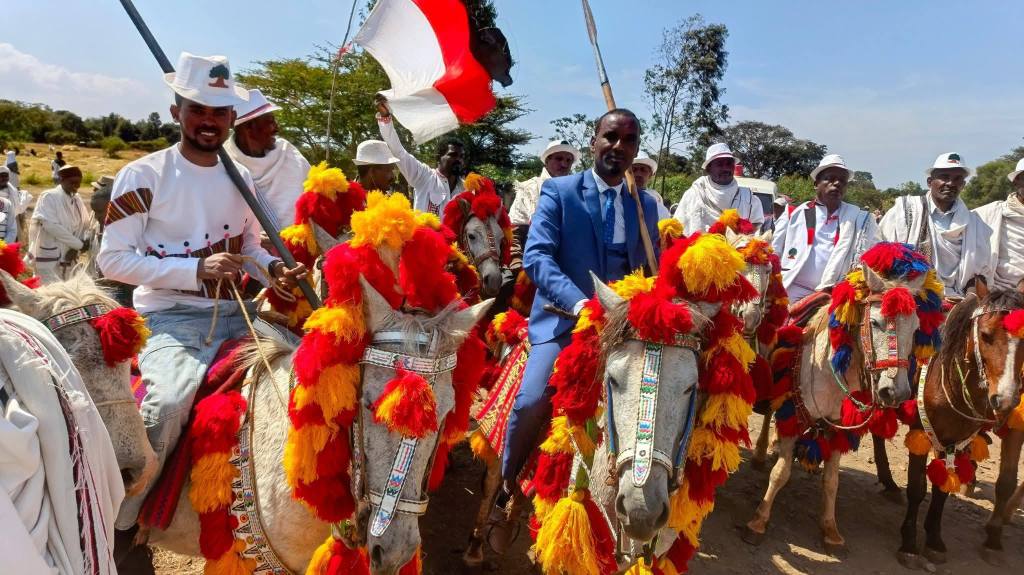
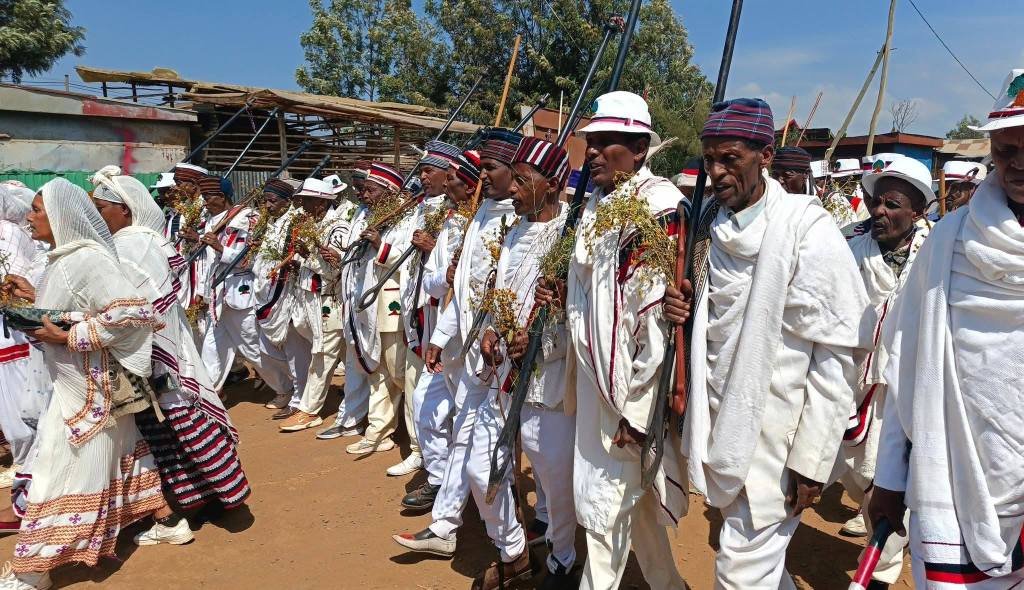
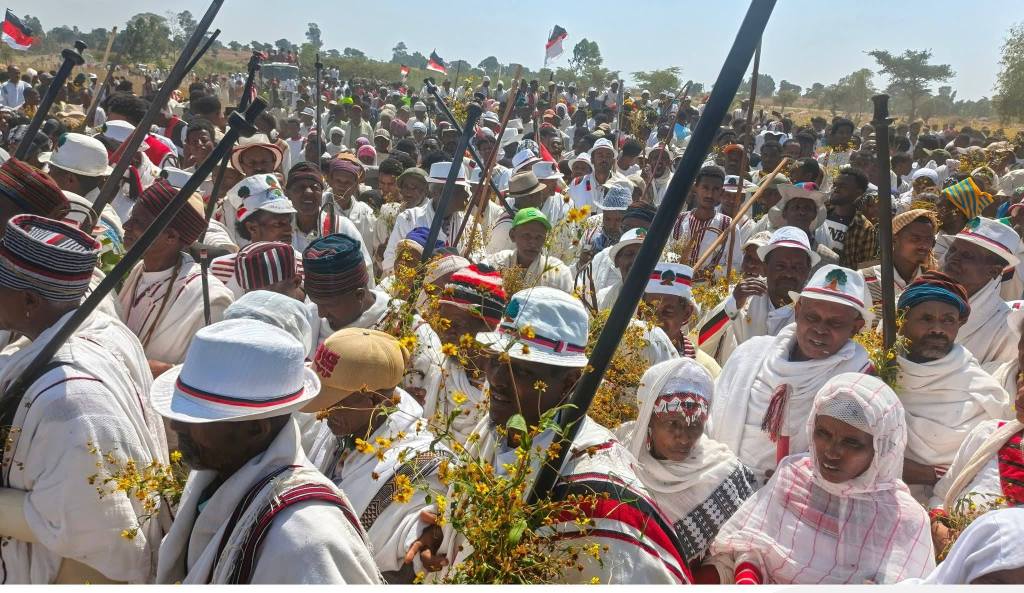
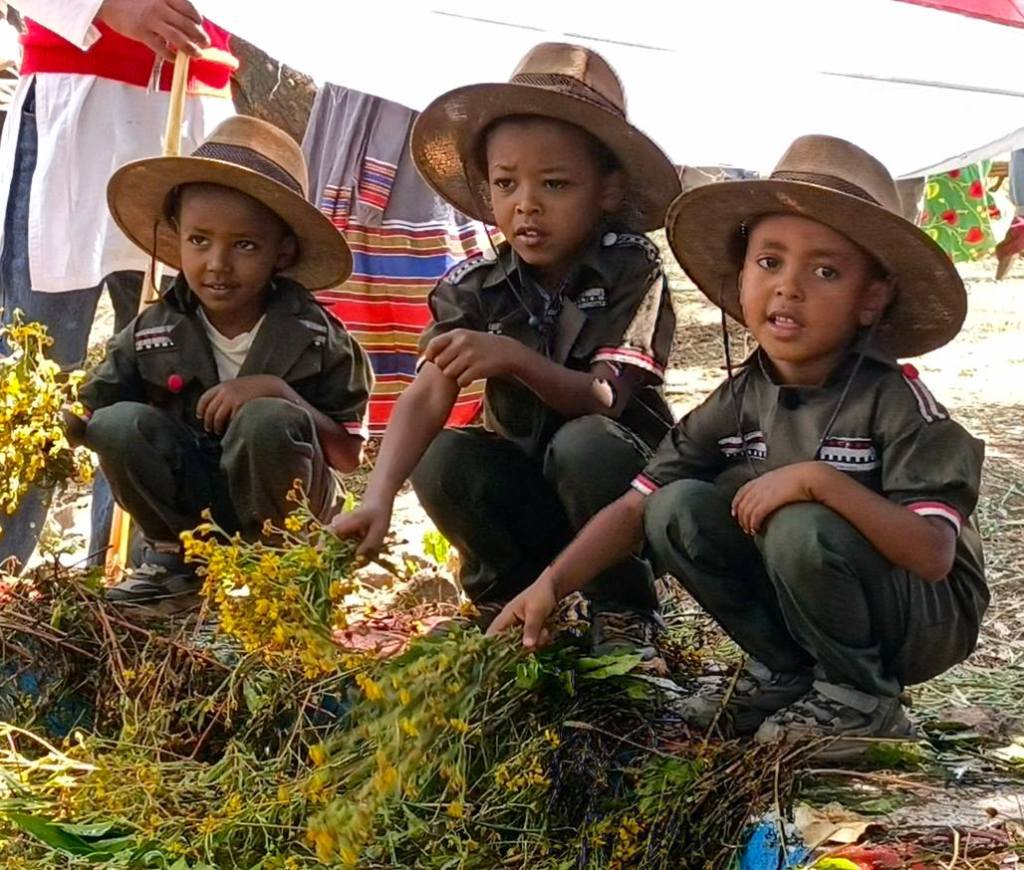
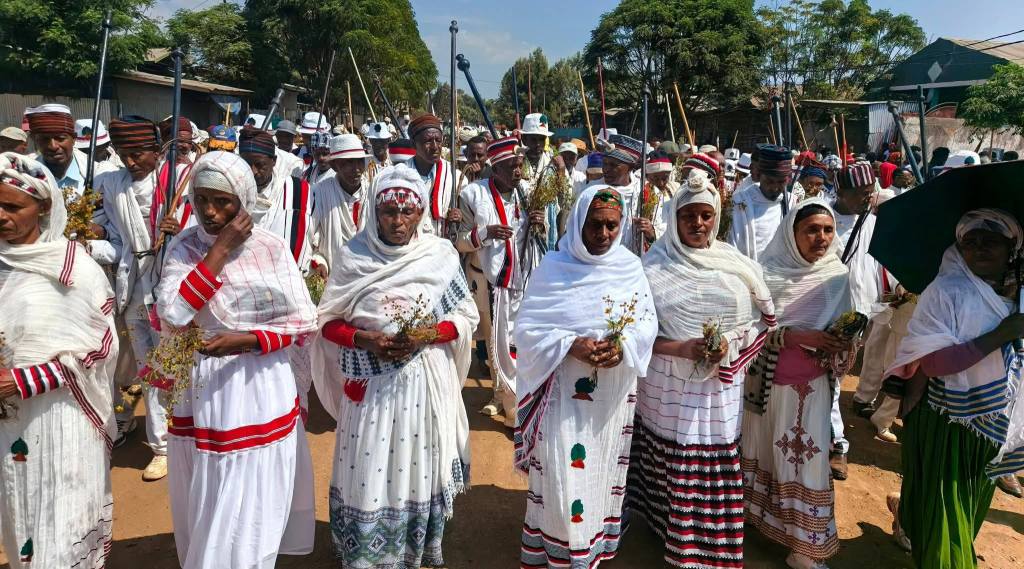
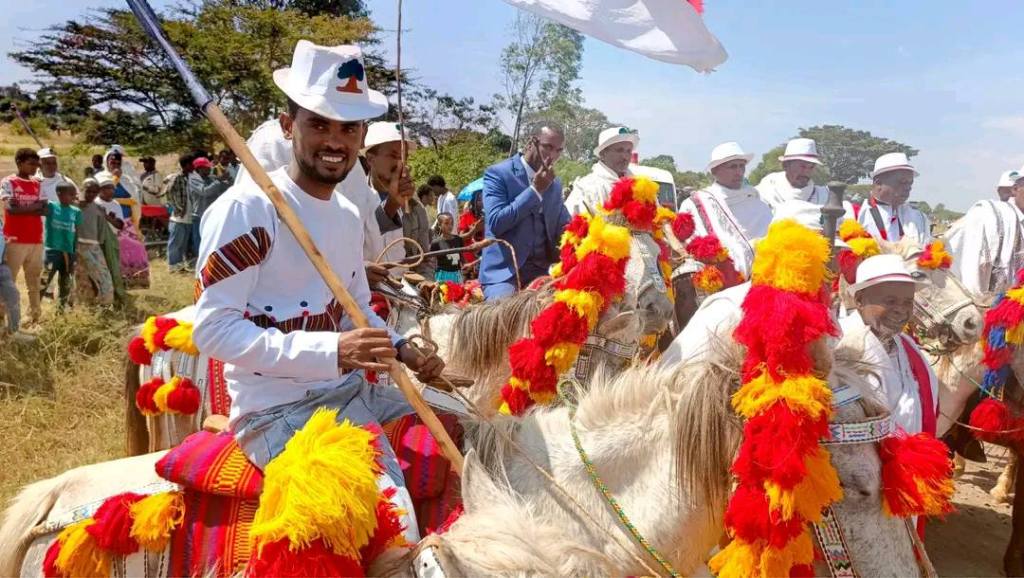
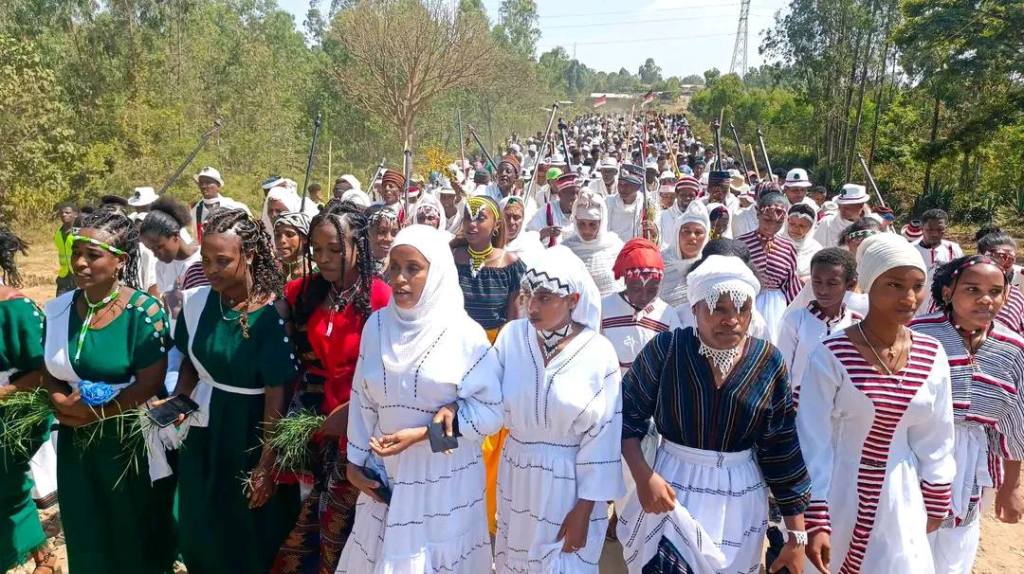
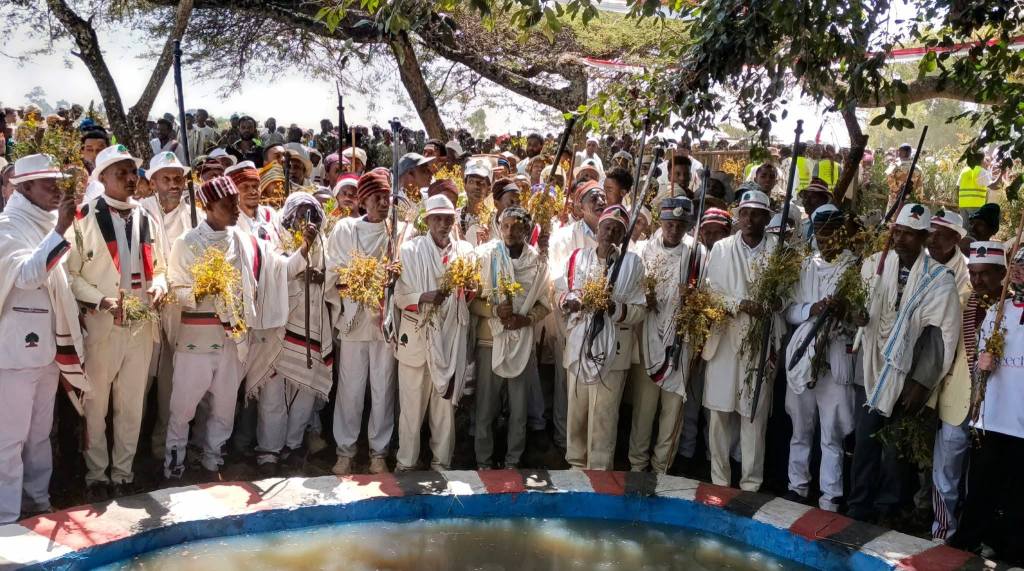
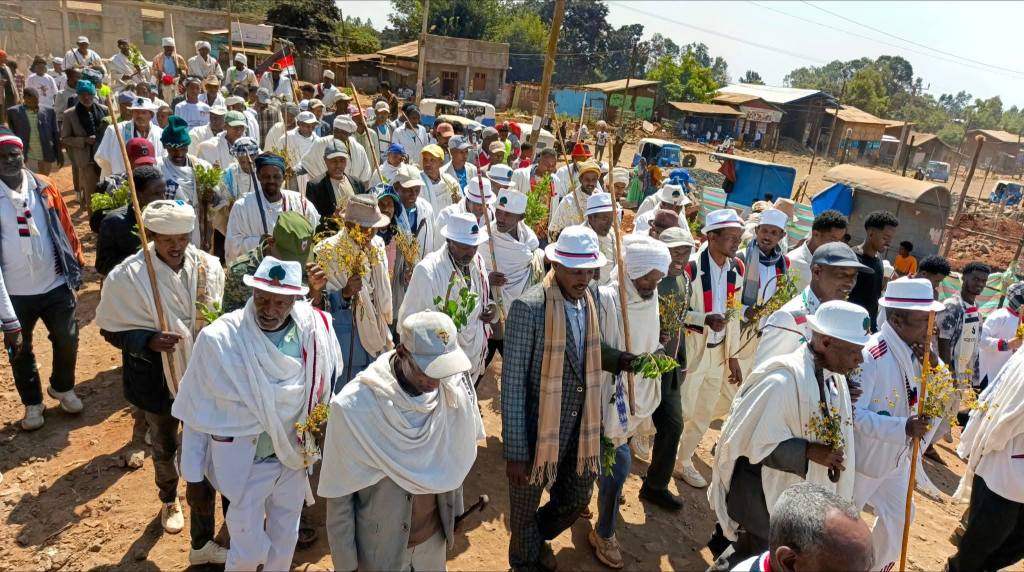
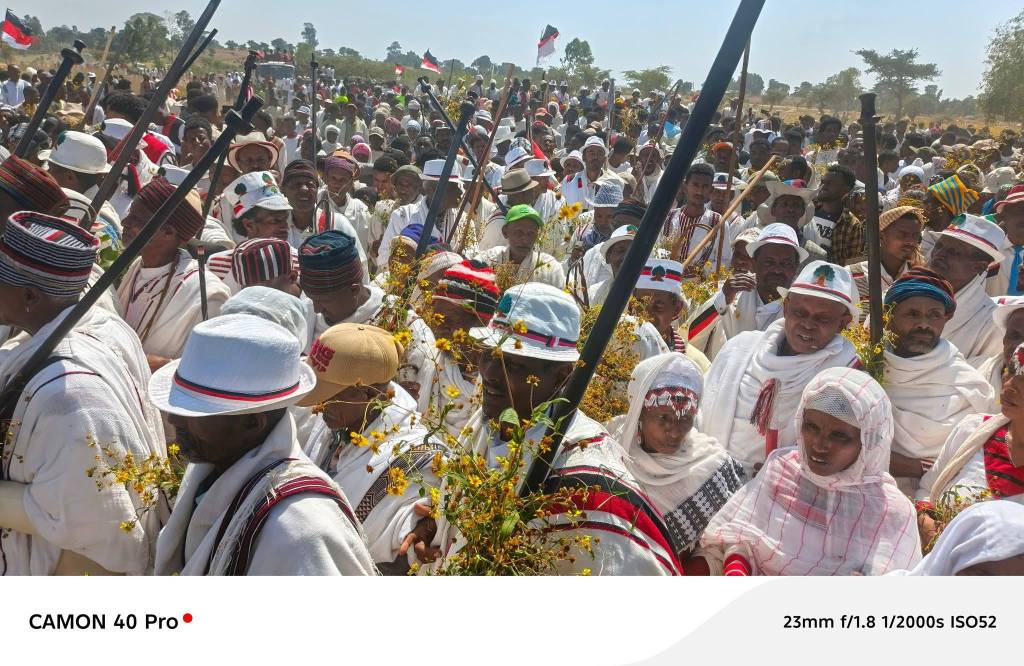
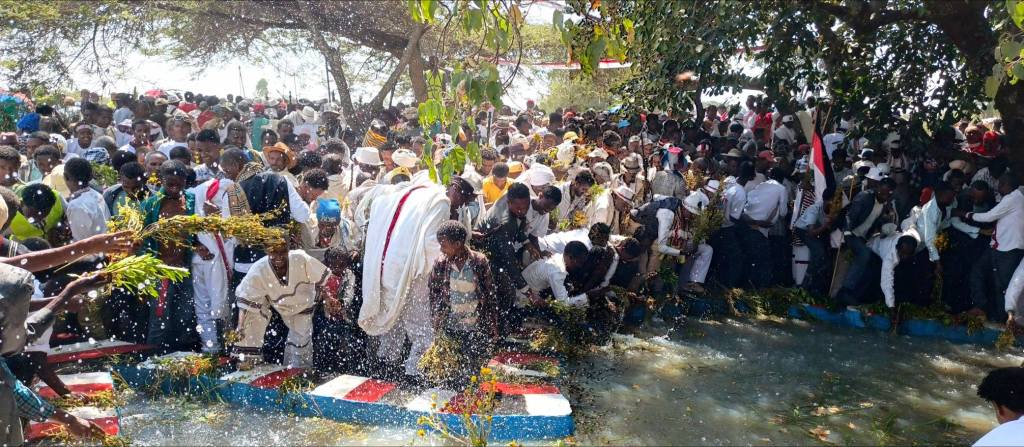
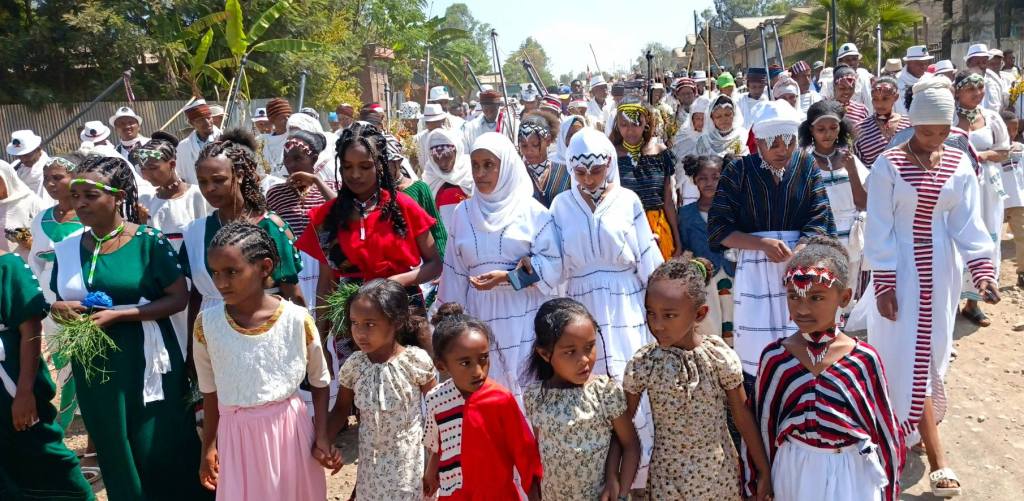
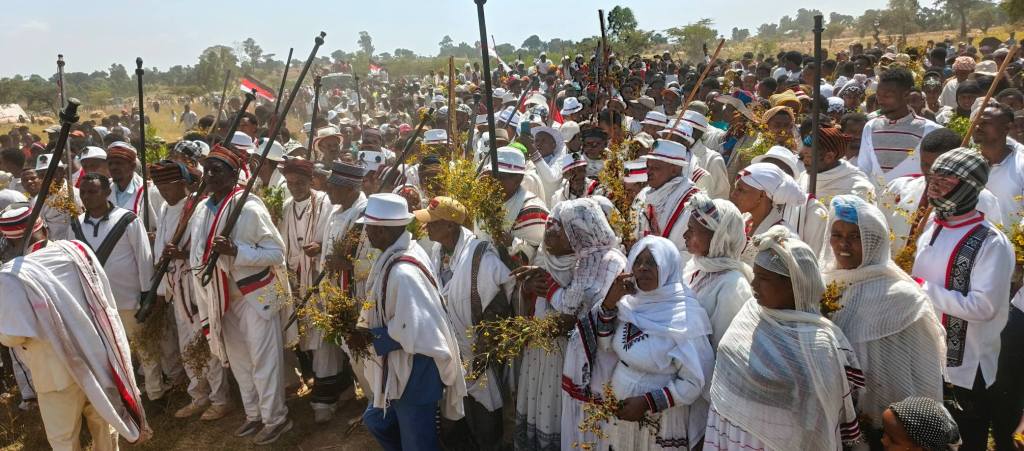
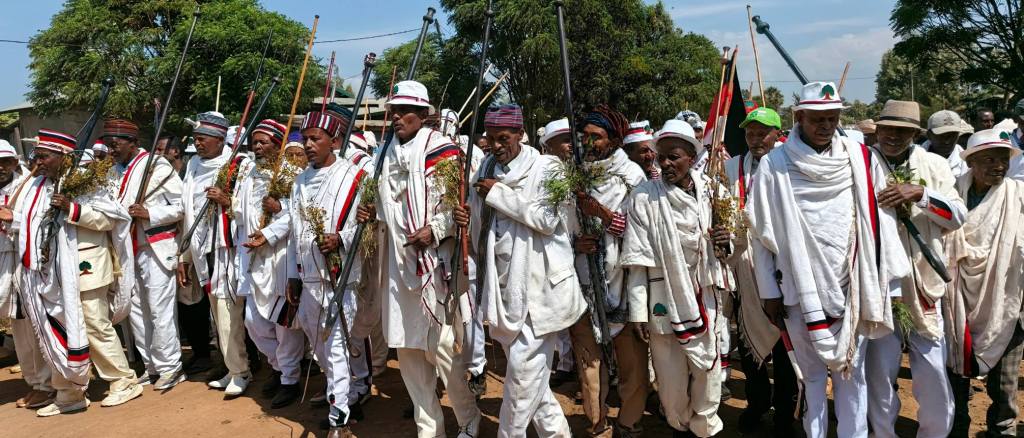
NOONNO, WEST SHEWA – The Irreecha festival, a symbol of peace, reconciliation, thanksgiving, love, brotherhood, and prosperity, was celebrated with great fervor at the Hora Shaankurii spring in the Nonno district of the West Shewa Zone.
On Saturday, September 29, 2025, the ceremony was held at the sacred site, drawing large crowds of participants. The celebration was a profound display of Oromo culture and spirituality, attended by Qeerroo and Qarree youth, women carrying siinqee (symbols of women’s power), and Gadaa leaders.
In Oromo tradition, Irreecha is a thanksgiving festival through which the Oromo people express gratitude to Waaqaa (God), celebrate life, and pray for the resolution of hidden conflicts and for a prosperous future. The ceremony commenced with the Abbaa Horaa (custodian of the spring) performing the ritual, followed by the Eebba (prayers and blessings) led by the Gadaa leaders.
The festival serves not only the Oromo people but also as a beacon of unity, love, and genuine brotherhood among all nations and nationalities, strengthening mutual respect and understanding.
In conclusion, the Gadaa leaders of Noonno district extended their gratitude to the Foolee (youth), various security forces, the community of the district, and all individuals who contributed to the successful and respectful celebration of the festival.



A tragic incident: Oromo woman was shot and killed.
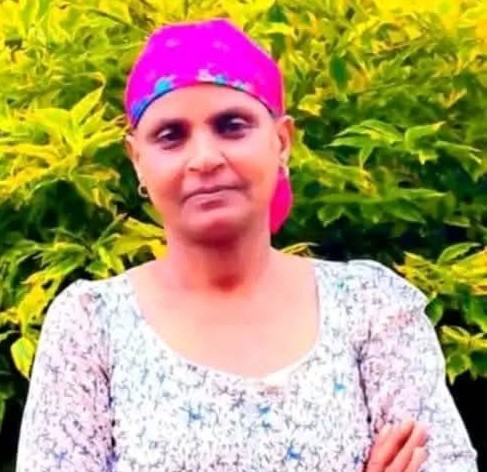
[SBO – November 24, 2025] Oromo Woman, Likkinesh Tarrafaa, Reportedly Killed by Gunfire in Boji, West Wallagga.
A tragic incident has been reported in the West Wollega Zone of Oromia, where an Oromo woman was shot and killed.
According to a report obtained by the Sagalee Bilisummaa Oromoo (SBO) media outlet, the victim, identified as Likkinesh Tarrafaa, was fatally shot by armed assailants on the morning of Monday, November 23, 2025. The killing took place in the Boji area of the West Wallagga zone.
The report states that the identity of the armed group responsible for this act remains unknown. It is also reported that the local community has been plunged into a state of severe fear and anxiety following the killing.
This targeted killing of Likkinesh Tarrafaa is a heinous act that demands immediate and transparent investigation. All relevant authorities must be held accountable to clarify the circumstances of this death and bring the perpetrators to justice.
Remembering Professor Hamdeessaa Tusoo: A Legacy of Oromo Advocacy
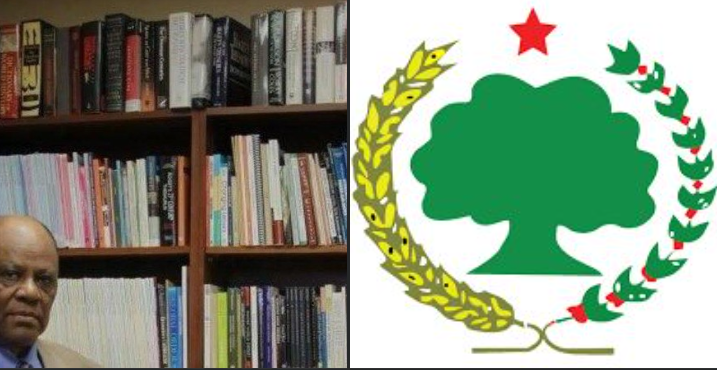
A Message of Condolence from the Oromo Liberation Front (OLF) on the Passing of Professor Hamdeessaa Tusoo
The Oromo Liberation Front (OLF) expresses its profound grief and sorrow upon learning of the passing of the esteemed Oromo scholar, historian, and human rights advocate, Professor Hamdeessaa Tusoo.
Professor Hamdeessaa Tusoo was born and raised in Nageellee Arsi, West Arsi Zone, in the southeastern region of Oromia.
From his youth, Professor Hamdeessaa was a witness to the oppression and resistance of the Oromo people under successive Ethiopian imperial regimes. His personal history reveals that he grew up amidst the struggles of his people, developing from an early age into a resolute individual who refused to be a tool of the enemy’s oppression.
After completing his primary and secondary education, Professor Hamdeessaa pursued advanced studies abroad. He earned a B.A. in History from Avondale College, Australia (1972), an M.A. in Conflict Resolution from Andrews University, USA (1974), and a Ph.D. in Conflict Resolution and Peacebuilding from Michigan State University, USA (1981). His doctoral research focused on conflict resolution, peacebuilding, and the role of Oromo cultural traditions.
Leveraging his academic expertise, he conducted various research projects and served as the Director of International Student Services and Oromo Cultural Affairs at George Mason University (1982–1990), where he engaged deeply with the Oromo diaspora.
His distinguished academic career also included positions as a Professor in the Department of Conflict Resolution at Nova Southeastern University (1998–2004), the Esau Distinguished Visiting Professor of Conflict Resolution at Menno Simons College, University of Winnipeg (2006–2007), and a Professor in the Department of Peace and Conflict Studies at the University of Manitoba (2011–2019).
Among his numerous scholarly publications is the work Creating The Third Force: Indigenous Processes of Peacemaking, which presents the Oromo Gadaa system as a model for other nations.
Professor Hamdeessaa also played a significant role in the Oromo liberation struggle. He collaborated with Oromo activists, both living and deceased—such as Luba Guddinaa Tumsaa, Jaal Baaroo Tumsaa, Professor Muhaammad Hasan, Professor Asaffaa Jaallataa, and others—on matters concerning Oromummaa (Oromo national identity).
Furthermore, he initiated the “Shanachaa Jaarsummaa” (Elders’ Mediation) process (2001–2004) in a long-standing effort to resolve political conflicts within the Oromo liberation movement.
His contributions extended to international advocacy, including his involvement in the “Immigration and Refugee Forum” during the 1980s, which helped secure refugee status for Oromos in the USA, and his participation in the London Peace Conference (1991) aimed at transforming Ethiopia’s political system.
He was also instrumental in founding the Oromo Studies Association (OSA), through which he promoted extensive research and scholarship.
Moreover, as a professor to countless university students, he planted the seeds of peace, human rights, and social change, inspiring many to become advocates and achievers in these fields.
Professor Hamdeessaa Tusoo was an Oromo intellectual born into the Oromo struggle, who matured within it, and strived tirelessly to see the fruits of Oromo liberation. He passed away on November 22, 2025, in Winnipeg, Manitoba, Canada.
The Oromo Liberation Front (OLF) shares in this irreplaceable loss and extends its deepest condolences to his family, relatives, and the entire Oromo nation, wishing them patience and strength.
A fighter falls, but the struggle continues!
Victory to the Masses!
Oromo Liberation Front (OLF)
November 23, 2025
Finfinnee
Oromo Studies Association Remembers Professor Hamdeessaa Tusoo

Oromo Studies Association (OSA) Mourns the Passing of Professor Hamdeessaa Tusoo
The Oromo Studies Association (OSA) has expressed its profound sorrow upon the passing of the esteemed scholar and activist, Professor Hamdeessaa Tusoo.
In an official statement, OSA remembered Professor Hamdeessaa not only as a brilliant Oromo intellectual but also as a founding member who played an indispensable role in the establishment of the association. The statement emphasized that his contributions to the fields of Oromo scholarship and the global academic community were truly immeasurable.
The association highlighted his pivotal leadership from the very beginning, noting that he served as its first president and laid a strong foundation for the organization. This was at a critical time in 1986 when Oromo history, knowledge, and culture were under significant pressure. Professor Hamdeessaa provided crucial leadership and made immense contributions to building a robust institution dedicated to critical inquiry, intellectual empowerment, and collective advancement.
OSA’s statement further detailed the professor’s lifelong dedication. Born and raised in Oromia, he waged a long and steadfast struggle for the rights, dignity, and freedom of the oppressed Oromo people.
His commitment to the Oromo cause was evident early on; while in secondary school, he began his activism in human rights, demonstrating an unwavering sense of justice and a spirit of self-sacrifice for the goals of his people. These early experiences set the tone for a life dedicated to scholarship, mentorship, and public service.
After earning his Ph.D. from Michigan State University in 1981, Professor Hamdeessaa held significant academic positions at numerous prestigious institutions, including George Mason University, Antioch University, Nova Southeastern University, Menno Simons College, and the University of Manitoba.
His scholarly work was robust, focusing on critical areas such as peace and conflict, indigenous peacemaking, African oral traditions, and the politics of the Horn of Africa.
Beyond the academy, OSA noted, Professor Hamdeessaa Tusoo also played a major role in community service and empowerment, leaving a legacy that extends far beyond the classroom.
Oromia Support Group Details Human Rights Abuses in Ethiopia
Oromia Support Group Report Details Widespread Human Rights Abuses in Ethiopia
November 21, 2025 – The Oromia Support Group (OSG), an organization advocating for human rights, has released a damning 70-page report alleging systematic and widespread human rights violations across Ethiopia and the wider Horn of Africa.
The report, released on November 20, 2025, documents a severe crisis in Ethiopia, citing extensive human rights abuses, extrajudicial killings, the suppression of public dissent, and the widespread intimidation of civil society leaders.
The OSG’s findings echo concerns previously raised by international bodies. On September 9, 2025, during its 60th session, the UN Human Rights Council (UNHRC) expressed alarm over the human rights situation in Ethiopia, noting that rights to free expression, assembly, and political party association have been severely curtailed.
The OSG further highlighted significant concerns regarding the environment for the country’s upcoming 7th national election, scheduled for 2026, stating that civil society organizations and journalists are operating in a climate of intense fear and repression.
According to the OSG, a significant portion of the human rights violations in Ethiopia are perpetrated by state security forces and affiliated militias. The report details that the recurring inter-ethnic conflicts in Oromia, Amhara, and the post-conflict Tigray regions continue to inflict severe harm on civilian populations.
The group’s documentation provides a grim snapshot of Oromia, alleging that summary executions, arbitrary detentions, and property seizures by government forces are commonplace.
The OSG report specifically names numerous locations where these alleged killings have occurred, including major urban centers such as:
- Finfinnee (Addis Ababa)
- Shaggar
- Adaama
The list also encompasses a wide range of zones and regions across Oromia, such as:
- Shaawa: East, West, South-West, and Central Shaawa
- Arsi: West Arsi and East Arsi
- Hararge: East and West Hararge
- Wallagga: East, West, Qellam, and Horro Guduru Wallagga
- Gujii: East and West Guji
- Boorana
- Bunnoo Badallee
- Jimma
- Iluu Abbaa Booraa
This extensive list underscores the report’s central claim that human rights abuses are not isolated incidents but are pervasive throughout the Oromia region.
Remembering Obbo Dootii Turaa: A Legacy of Oromo Leadership
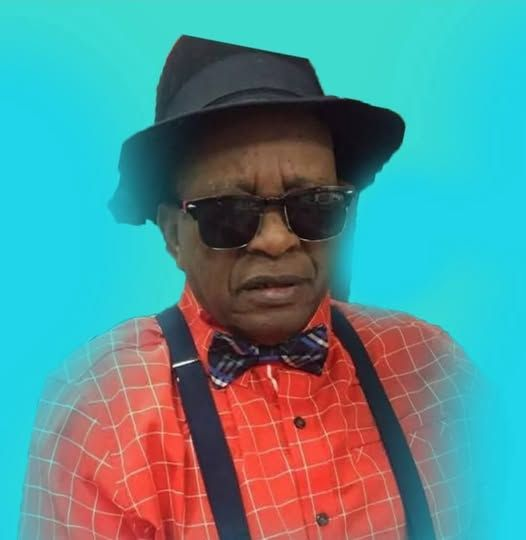
The Oromo Liberation Front (OLF) has announced the passing of the esteemed Oromo freedom fighter and elder, Obbo Dootii Turaa, expressing its profound sorrow at this great loss.
In an official statement, the OLF conveyed that the death of Obbo Dootii Turaa has left them with a sense of deep and immense grief.
Obbo Dootii was born in 1925 in Nageellee Arsi, Arsi West Zone, in the Southeastern part of Oromia. From a young age, he was deeply conscious of his identity. After completing his elementary education, he became a teacher in his home region, serving in Goobee town and later in Maqii, in East Shewa. In this role, he was dedicated to educating his people on various subjects, ensuring they knew their culture and identity, and teaching them about the realities of living under a foreign colonial system.
After moving to Finfinnee (Addis Ababa), he continued his education and, during the reign of Haile Selassie, ventured into business. He built a family home and a business enterprise, and he strategically used the wealth he accumulated to openly support the Oromo struggle for liberation.
He actively participated in the resistance against the feudal regime, taking part in the 1960s student movements and the initial organized resistance. He also supported the Macca and Tuulama Self-Help Association, contributing his professional skills and financial resources in a significant and visible manner.
Furthermore, during a time when few were dedicating themselves to the cause, Obbo Dootii transformed his business into a meeting place for freedom fighters and his family home into a safe house for them. He also provided material support to the Oromo Liberation Army (OLA).
Through his overt and covert work, he collaborated with members and supporters of the OLF, such as the late Luba Guddinaa Tumsaa, Baaroo Tumsaa, Muhee Abdoo, and former OLF High Council member Magarsaa Barii. He was subsequently accused by the oppressive regime of the time and imprisoned for ten years alongside Luba Guddinaa Tumsaa.
Throughout successive Ethiopian regimes—the Haile Selassie monarchy, the Derg, and the TPLF/EPRDF—Obbo Dootii Turaa was repeatedly imprisoned and severely persecuted.
Under the particularly brutal repression of the EPRDF/TPLF/OPDO regime, he was forced into exile, ultimately living as a refugee in the United States.
Obbo Dootii Turaa was a wise Oromo elder, a visionary leader, and a respected authority on Oromo affairs and identity. He remained unwavering in his commitment to Oromo freedom until his final days. He passed away on November 18, 2025, in the United States, at an advanced age after a period of illness.
Remembering Obbo Dootii Turaa: Oromo Freedom Fighter
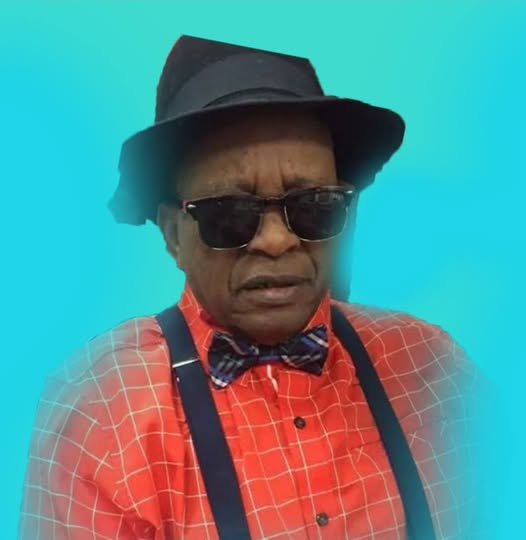
Condolence Statement
On the Passing of Oromo Freedom Fighter and Elder, Obbo Dootii Turaa (1925-2025)
Oromo Liberation Front (OLF)
The Oromo Liberation Front (OLF) expresses its profound and deepest sorrow at the passing of the esteemed Oromo freedom fighter and elder, Obbo Dootii Turaa.
Obbo Dootii was born in 1925 in Nageellee Arsi, Arsi West Zone, in Southeastern Oromia. From a young age, he was deeply conscious of his identity. After completing his elementary education, he became a teacher in his home region, first in Goobee and later in Maqii, in North Shewa. In this role, he was dedicated to educating his people about their culture and history, teaching them about Oromo identity and the realities of living under a colonial system.
After moving to Finfinnee (Addis Ababa), he pursued business during the reign of Haile Selassie. He strategically used the wealth he accumulated to openly support the Oromo struggle for liberation.
He actively participated in the resistance against the feudal regime, taking part in the 1960s student movements and the initial organized resistance, including supporting the Macca and Tuulama Self-Help Association. He was among the few who dedicated their lives to the cause, transforming his business into a meeting place for freedom fighters and his home into a safe house. Furthermore, he provided material support to the Oromo Liberation Army.
Through his overt and covert work, he collaborated with members and supporters of the OLF, such as the late Luba Guddinaa Tumsaa, Jaal Baaroo Tumsaa, Jaal Muhee Abdoo, and former OLF High Council member Jaal Magarsaa Barii. He was subsequently accused by the oppressive regime of the time and imprisoned for ten years alongside Luba Guddinaa Tumsaa.
Throughout successive Ethiopian regimes—the Haile Selassie monarchy, the Derg, and the TPLF/EPRDF—Obbo Dootii Turaa was repeatedly accused, imprisoned, and severely persecuted. Under the particularly brutal repression of the EPRDF/TPLF/OPDO regime, he was forced into exile, ultimately living as a refugee in the United States.
Obbo Dootii Turaa was a wise Oromo elder, a visionary leader, and a respected authority on Oromo affairs and identity. He remained unwavering in his commitment to Oromo freedom until his final days. He passed away on November 18, 2025, in the United States, at an advanced age after a period of illness.
The Oromo Liberation Front (OLF) conveys its heartfelt condolences and shares in the grief of his family, relatives, and the wider Oromo nation. We pray for strength and resilience during this difficult time.
A Fighter Falls, The Struggle Continues!
Victory to the Masses!
Oromo Liberation Front (OLF)
November 18, 2025
Finfinnee
The Gada System: A Living Legacy Passed to a New Generation
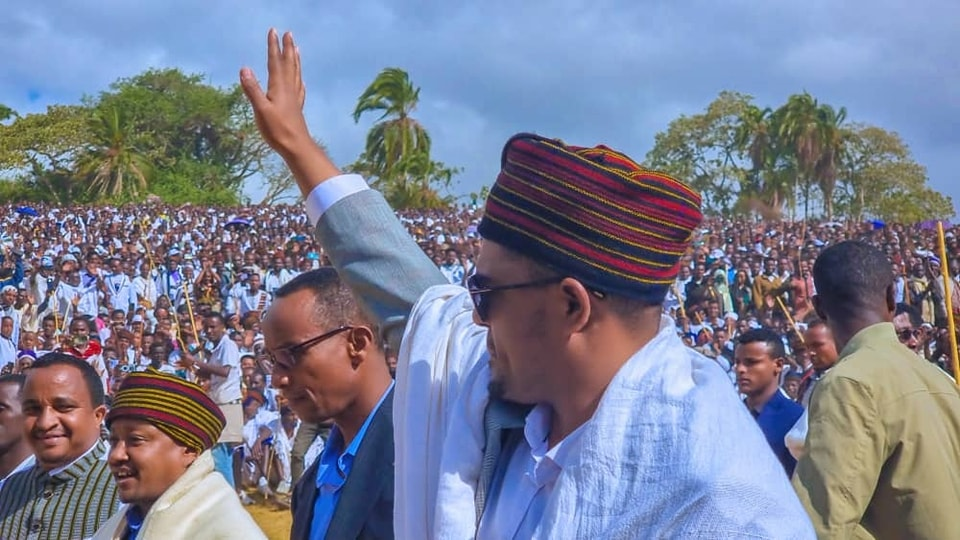
The Gada system is the proud heritage of the Oromo people. It is a system of bravery and discipline, founded on structured laws, principles, and timelines.
For over a century, the succession of Gada assemblies faced suppression and was pushed to the brink of being lost to the harsh pressures of the time. However, because our people held steadfast to their system and culture, it has not only been revived but has also gained worldwide recognition. As is well known, the Gada system is registered by the United Nations Educational, Scientific and Cultural Organization (UNESCO) as an Intangible Cultural Heritage of Humanity.
The Guji Oromo have played an exceptional role in preserving this system to the present day. For the Guji, Gada is not just for the leaders; the entire community forms the foundation of this system. As evidence, since 1424 [2012 EC], the Guji have recorded every Abbaa Gada who has led them through successive generations, without significant error or omission. In that year, following established tradition, they gathered at Me’ee Bokkoo for the transfer of power (Baallii), establishing laws and conducting various rituals and ceremonies.
In accordance with Oromo law and tradition, the assembly sat continuously at Me’ee Bokkoo for the past seven days. They established and proclaimed the nine articles of “The Wayyooma Waaqaa Lafaa and the Bulii Olii of Sons and Daughters.” This assembly has a father. Its father is Abbaa Gadaa Jiloo Maandhoo. He was the 74th Haaganaa, or General Abbaa Gadaa, of the Guji.
The process for the 75th Baallii transfer has been completed. Abbaa Gadaa Jiloo Maandhoo has concluded his term and received his honor (daraaraa). He was celebrated with the verse:
“Hoo’aa mi’ii gadaa tiyyaa
Hoo’aa itittuu gadaa tiyyaa
Hoo’aa areera gadaa tiyyaa
Hoo’aa daraaraa gadaa tiyyaa”
(Farewell, the council of my Gada; / Farewell, the foundation of my Gada; / Farewell, the legacy of my Gada; / Farewell, the honor of my Gada.)
The Gada power has moved from Gadaa Harmuufa to Gadaa Roobalee. Abbaa Gadaa Jaarsoo Dhugoo has received the Baallii! The former Abbaa Gadaa, Jiloo Maandhoo, has become an elder! The door has been closed! The door is now closed!
This is how the Oromo people have brought the Gada system to this day. As a member of this generation, witnessing the Gada assembly at Me’ee Bokkoo and the peaceful transfer of power for the 75th time filled me with immense joy.
The core mission of our Reformist Government is to restore the Oromo people to their culture and identity. Consequently, we are focusing significant effort on revitalizing it for the benefit of our society. The Gada system is being integrated into the educational curriculum, taught from primary school levels. At the higher education level, we are encouraging research leading to Master’s and PhD degrees.
Furthermore, we are working to re-establish and institutionalize Gada values. By drawing from its philosophy, we have established the Cultural Court of Law to ensure restorative justice. We have institutionalized community service to strengthen social bonds.
To foster mutual support and responsibility, we have re-established the Buusaa Gonofaa system. Going a step further, we are providing nutritious meals to schoolchildren, building a healthy future generation. We are establishing the Gaachana Sirnaa (Security Institutions) to ensure public safety. In the future, these civic institutions will continue to expand their reach and efficiency.
Me’ee Bokkoo is a sacred site. For generations, it has been a center for legislative debate and judicial verdicts. Because it is where the Gada assembly convenes for the transfer of power, it is the parliamentary center for the Guji Oromo. It is a place of respect and cleanliness. This is why the Guji invoke the name of Me’ee Bokkoo when they pray to Waaqaa.
In this spirit, the Oromia Regional Government announces that the ceremony for the 76th Baallii transfer will be preceded by the construction of a grand amphitheater at Me’ee Bokkoo, as a cultural center.
I extend my congratulations—baga geessan—to the Guji people and all Oromo people, for successfully reaching the 75th Gada transfer at Me’ee Bokkoo. My hope and vision for the coming years is that it will be a time when our culture flourishes and our identity is fully restored.
Gadaan quufaa gabbina (The Gada of Quufa is prosperity);
Gadaan Roobalee misa (The Gada of Roobalee is honey).
Horaa Bulaa; Deebanaa! (The Hora of Bulaa shall return!)
President of the Oromia Regional Government
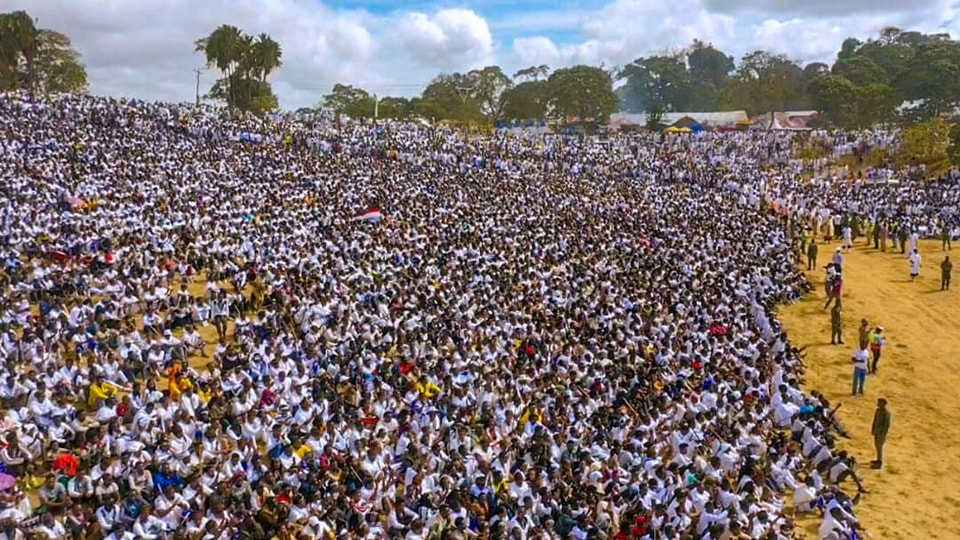
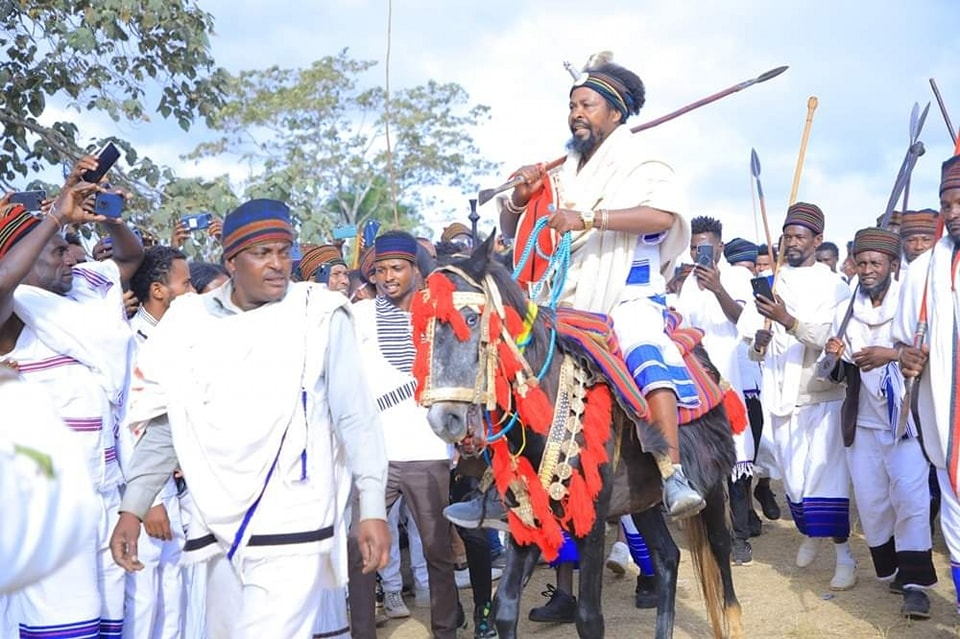
Ethiopian Opposition Calls for Fair 2026 Election Conditions
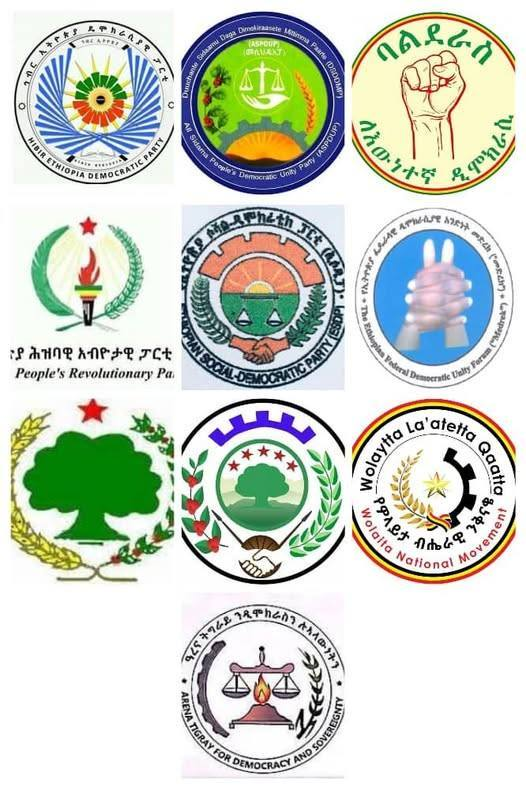
Press Release: Ethiopian Opposition Parties Outline Fundamental Preconditions for a Credible 2026 Election
Addis Ababa, November 12, 2025 – The undersigned coalition of Ethiopian opposition parties has closely monitored the National Electoral Board of Ethiopia’s (NEBE) preliminary activities concerning the 2026 General Election.
While we acknowledge this as a procedural step, we state unequivocally: in the complete absence of a democratic foundation in Ethiopia today, and without a guaranteed conducive environment, this exercise is a hollow and meaningless endeavor.
Historically, Ethiopian elections have been political performances designed to legitimize an authoritarian system. They have been neither free nor fair, their results neither credible nor publicly accepted. Consequently, they have exacerbated conflict and instability rather than resolving the nation’s profound political crises. A genuine election must be an expression of citizens’ democratic rights, not a tool for rulers to consolidate power.
Therefore, for the 2026 election to represent a genuine step toward lasting peace and a decisive break from this past, we insist that creating a conducive environment is not optional, but an absolute prerequisite. Before any discussion of an electoral calendar can begin, the Ethiopian government must take immediate and concrete action on the following non-negotiable foundational conditions:
1. An Inclusive National Dialogue and Political Settlement
The government must immediately initiate a comprehensive political dialogue with all opposition parties, including those in exile and armed struggle, to agree on a shared roadmap for a genuine democratic transition. An election held without prior national consensus on the nation’s existential issues will only deepen the crisis and cannot produce a legitimate outcome.
2. An End to Armed Conflict and Guaranteed Security
The devastating wars in Oromia, Amhara, Tigray, Afar, and beyond must be brought to a swift, permanent, and verifiable end. Peace and security are the bedrock of any credible election. All parties, candidates, voters, and observers must be able to operate freely and safely across the entire country.
3. The Unconditional Opening of Political Space
The government must immediately and unconditionally release all political prisoners. Hundreds of illegally shuttered opposition party offices must be reopened, and the systematic harassment and intimidation of political opponents must cease. Participating in an election while our leaders are imprisoned and our offices are closed is not a credible democratic process.
4. Fundamental Institutional and Legal Reforms
We question the capacity and independence of the NEBE and demand its reconstitution—from the board level to polling station staff—through a transparent, consensus-based process with full political party participation. The electoral law must be fundamentally amended to ensure a fair, inclusive, and proportional system, including the removal of the restrictive support signature requirement.
5. Guaranteed Neutrality of State Institutions
A legally binding agreement must ensure the tangible neutrality of all security forces (defense, police, intelligence) and the judiciary. These institutions must serve the constitution and the nation, not the ruling party. A secure environment where citizens can vote without fear is non-negotiable.
6. Unfettered Press Freedom
The persecution of journalists must end, and all legal barriers stifling independent media must be removed. All local and international media must have equal access to information and polling stations, and face no restrictions on dissemination.
7. Robust Observation by Domestic and International Monitors
The government must legally guarantee the unhindered participation of credible domestic and international observers throughout the entire electoral process. The NEBE’s deployment of unvetted “domestic observers” is insufficient and will not guarantee credibility.
A Call for Verification and Unity
To ensure these are not empty words, the fulfillment of these conditions must be verified by independent international actors, including the African Union (AU), European Union (EU), and United Nations (UN). Public trust must be built through reliable agreements among all electoral stakeholders.
We therefore issue a collective call to the government and ruling party to immediately begin fulfilling these preconditions.
We also call upon all genuine democratic political parties, civic organizations, media, and the people of Ethiopia to unite in demanding this democratic foundation. The 2026 election can only be historic if we first build the ground upon which it can stand. Our mission for unity cannot be postponed.
Finally, we call upon Ethiopia’s international partners and friendly nations to stand with the Ethiopian people in this struggle to build a democratic system, thereby rendering a great service to our nation and its future.
Unity is Strength! A United Struggle Will Prevail!
List of Signatory Parties:
- Hibir Ethiopia Democratic Party (Hibir Ethiopia)
- All Sidama People’s Democratic Unity Party (ASPDUP)
- Balderas for Genuine Democracy (Balderas)
- Ethiopian People’s Revolutionary Party (EPRP)
- Ethiopian Social Democratic Party (ESDP)
- Ethiopian Political Parties Joint Forum (MEDREK)
- Oromo Liberation Front (OLF)
- Oromo Federalist Congress (OFC)
- Wolaytta National Movement (WNM)
- Arena Tigray for Democracy and Sovereignty (Arena Tigray)
November 12, 2025, Addis Ababa, Ethiopia
Oromo Rights Protest Held in London, Demanding International Action on Ethiopia
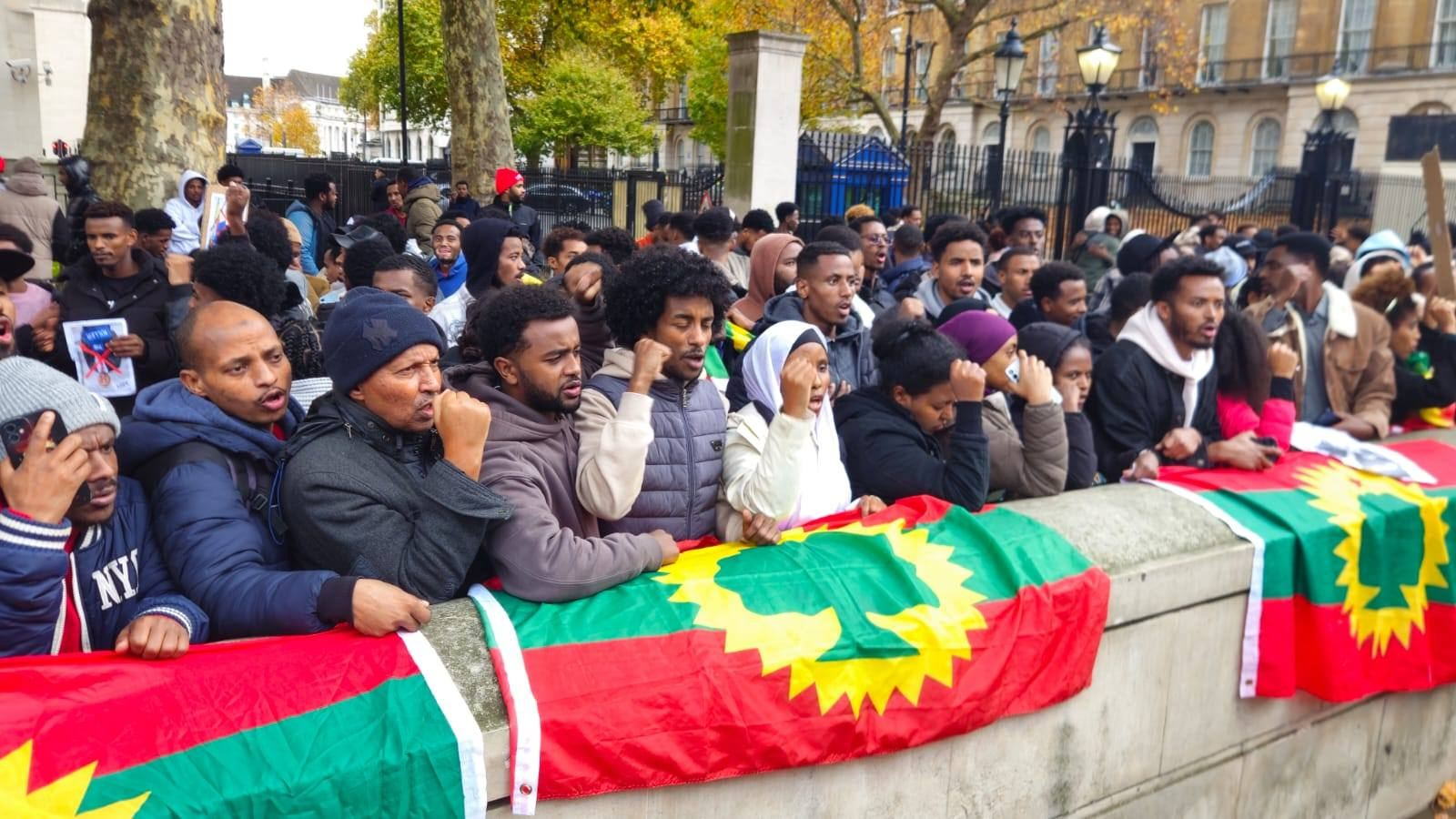
LONDON, UK – December 10, 2025 – A protest organized under the banner “Tumsa Haqa Oromoo” (Support Oromo Rights) was held in London, with participants calling for an end to human rights abuses in Ethiopia and international intervention to halt the ongoing violence in the Oromia region.
According to Dr. Gizaaw Taasisaa, a member of the organizing committee who spoke to OMN, the protest’s key objectives were to condemn the widespread human rights violations and killings targeting the Oromo people, demand an end to the attacks on Oromia’s borders, and urge the global community to take decisive action.
Protesters highlighted that the offensive on Oromia’s borders has enabled militias, particularly the “Fino” in Western and Central Oromia, to carry out mass killings against civilians.
Key Demands Presented
As outlined by Dr. Gizaaw Taasisaa, the demonstrators presented several critical demands to the Ethiopian government:
- Immediately halt the forced conscription of children into the military.
- Cease the killings of Oromo civilians.
- End the genocide and the military operations being conducted across Ethiopia.
- Withdraw all forces from Oromia.
Furthermore, protesters called for justice and accountability, demanding:
- The cases of murdered artists and activists, including Haacaaluu Hundeessaa and Battee Urgeessaa, and all other victims be brought to light.
- The unconditional release of all political prisoners in Ethiopia.
- That Ethiopian officials responsible for crimes be brought before international courts.
Focus on Dirree Dhawaa and International Complicity
The protest also specifically condemned the government’s ongoing attacks in the Somali regional state against Oromia. Dr. Gizaaw Taasisaa emphasized that the city of Dirree Dhawaa is historically, legally, demographically, and geographically part of Oromia.
Finally, the demonstrators called on the UK Government and international financial institutions to suspend all financial and diplomatic support to the Ethiopian government. A formal petition detailing these grievances was also submitted to the UK Foreign Office.

የግጭቶች መቆምና የፀጥታ ዋስትና
በኢትዮጵያ ነፃና ፍትሃዊ ምርጫ ለማካሄድ የሚያስችሉ ሁኔታዎችን ስለመፍጠር ከተቃዋሚ ፓርቲዎች የተሰጠ ጋዜጣዊ የጋራ መግለጫ
*************
ቀን መቁጠሪያ ዴሞክራሲ አይደለም፤ ለ2018 ዓ.ም ምርጫ የተጀመረውን እንቅስቃሴ አስመልክቶ የምርጫ ሂደቱ ከመጀመሩ በፊት መሰረታዊ ማሻሻያዎች እንዲደረጉ በጋራ እንጠይቃለን።
እኛ ስማችን ከሥር የተዘረዘረው የተቃዋሚ ፓርቲዎች የኢትዮጵያ ብሔራዊ ምርጫ ቦርድ ለ2018 ዓ.ም.ጠቅላላ ምርጫ እያደረገ ያለውን እንቅስቃሴ በቅርበት እየተከታተልን ነው፡፡ ይህንን የአሰራር ሂደት ከቦርዱ ተግባርና ኃላፊነት አንጻር የምንገነዘብ ቢሆንም፣ ዛሬ በኢትዮጵያ ውስጥ ምንም አይነት የዴሞክራሲያዊ ሂደት መሰረት በሌለበት ሁኔታ፤ በተጀመረው እንቅስቃሴ አስቻይ ሁኔታዎች መኖራቸው ባልተረጋገጠበት ጥረቱ ሁሉ ትርጉም አልባ መሆኑን በግልፅ መናገር እንፈልጋለን።
ቀደምት የኢትዮጵያ ምርጫዎች አግላይ፣ ጠቅላይና አምባገነናዊ ለሆነ የፖለቲካ ስርዓት ህጋዊነትን ለማላበስ የሚደረጉ የፖለቲካ ትወናዎች ሆነው ቆይተዋል። እነዚህ ያለፉት ምርጫዎች በሂደታቸው ነፃ፣ፍትሃዊና አሳታፊ፣ በውጤታቸውም ተኣማኒና በህዝብ ተቀባይነት ያገኙ አልነበሩም።
በዚህም ምክንያት የሀገሪቱን ጥልቅ የፖለቲካ ችግሮች ከመፍታት ይልቅ የግጭትና ያለመረጋጋት አዙሪትን ሲያባብሱ ቆይተዋል። እውነታው ምርጫ የዜጎች ዲሞክራሲያዊ መብት መገለጫ እንጂ የገዢዎች ሥልጣን ማስረገጫ ሊሆን አይገባም:: ስለሆነም የ2018 ዓ.ም. ምርጫ ካለፈው ታሪክ የተለየና አስተማማኝ ሰላም ለመገንባት የሚያስችል እውነተኛ እርምጃ እንዲሆን፤ ምቹ ሁኔታ መፍጠር አማራጭ ሳይሆን ቅድመ ሁኔታ መሆኑን አበክረን እናሳስባለን ፡፡
ስለሆነም ሀገራችን ስለምርጫ ፍኖተ ካርታው/ ሂደቱም ሆነ የጊዜ ሰሌዳው ትርጉም ባለው ደረጃ ከመወያየቷ በፊት የኢትዮጵያ መንግስት በሚከተሉት የማይታለፉ መሰረታዊ ሁኔታዎች ላይ አፋጣኝና ተጨባጭ እርምጃዎችን እንዲወስድ ጥሪ እናቀርባለን። እኛ ተቃዋሚ ፓርቲዎች በኢትዮጵያ ውስጥ ነፃ፣ ፍትሃዊና ተዓማኒነት ያለው ምርጫ ሊካሄድ የሚችለው መሰረታዊ ዲሞክራሲያዊ ሁኔታዎች ሲሟሉ ብቻ መሆኑን በተደጋጋሚ በጋራና በተናጠል ስናሳስብ ቆይተናል። በመሆኑም አሁንም ለዲሞክራሲያዊ ምርጫ መካሄድ ወሳኝ ናቸው የምንላቸው የሚከተሉት ቅድመ ሁኔታዎች እንዲሟሉ አጥብቀን እንጠይቃለን፡፡
1. ሁሉን አቀፍ የፖለቲካ ድርድር
መንግስት ከሁሉም ተቃዋሚ ፓርቲዎች ጋር በእውነተኛ የዴሞክራሲያዊ ሽግግር የጋራ ፍኖተ-ካርታ ላይ ለመስማማት የሚያስችል አፋጣኝና ሁሉን አቀፍ ፖለቲካዊ ውይይት መጀመር አለበት። ምርጫ ከመካሄዱ በፊት በስደትና በትጥቅ ትግል የሚገኙትን ጨምሮ በሁሉም የፖለቲካ ሃይሎችና ባለድርሻ አካላት መካከል ሁሉን አቀፍ ውይይት በማድረግ ብሔራዊ መግባባት መፍጠርና ዕርቅ ማውረድ አስፈላጊ ነው። በሀገሪቱ አንገብጋቢ ጉዳዮች ላይ ሰፊ ውይይትና ድርድር ሳይደረግና ስምምነት ላይ ሳይደረስ የሚካሄድ ምርጫ የፖለቲካ ቀውሱን ከማባባስ ውጪ መፍትሄ ሊያመጣ አይችልምና በድርድር ስምምነት ላይ ሊደረስ ይገባል።
2. የግጭቶች መቆምና የፀጥታ ዋስትና
መንግሥት የሀገሪቱን ሠላና ጸጥታ የማረጋገጥ ቀዳሚና ዋነኛ ተግባርና ኃላፊነቱ ቢሆንም በኦሮሚያ፣ በአማራ፣በትግራይ፣ በአፋርና በሌሎች የሀገሪቱ ክልሎች እየተካሄዱ ያሉ አውዳሚ ጦርነቶችና ግጭቶች እየተሰፋፉና እየከፉ ነው፡፡ ይህ እውነታ በአፋጣኝ፣ በቋሚነትና በሚረጋገጥ መልኩ መቆም አለበት። ሰላምና ፀጥታ ለማንኛውም አስተማማኝ ምርጫ መሰረት ሲሆኑ፣ ፓርቲዎችና እጩዎቻቸው፣ መራጮች፣ ገለልተኛ ታዛቢዎችና የዲሞክራሲ ተቋማት/ መገናኛ ብዙሃን በመላ ሀገሪቱ በነፃነትና በደህንነት መንቀሳቀስ ለምርጫው ተኣማኒነት፣ ተቀባይነትና ዲሞክራሲያዊነት ወሳኝ ናቸው።
3. የፖለቲካ ምህዳሩ ያለ ምንም ቅድመ ሁኔታ መከፈት
መንግስት አሁንም በግፍ ታስረው የሚገኙ የፖለቲካ ፓርቲ አመራሮችና አባላትን ጨምሮ ሁሉንም የፖለቲካ እስረኞች ያለ ምንም ቅድመ ሁኔታ በአፋጣኝ መልቀቅ አለበት። በህገ-ወጥ መንገድ በመላ ሀገሪቱ የተዘጉ በመቶዎች የሚቆጠሩ የሁሉም የተቃዋሚ ፓርቲ ቢሮዎች እንዲከፈቱ መደረግና በፖለቲካ ተቃዋሚዎች ላይ የሚደርሰው ማዋከብና ማስፈራራት ሙሉ በሙሉ መቆም አለበት። አሁን ባለው ሁኔታ አብዛኞቹ የፓርቲ አመራሮችና አባላት በእስር ላይ በሚገኙበትና ቢሮዎቻቸው በተዘጉበት ሁኔታ በምርጫ መሳተፍ እጅግ ፈታኝ ብቻ ሳይሆን ከአጃቢነት ያለፈ ፋይዳ አይኖረውምና መስተካከል እንዳለበት ይታመናል።
4. መሰረታዊ የዲሞክራሲ የተቋማትና የህግ ማሻሻያዎች
የህዝብን እምነት ለመመለስ ቁልፍ የዴሞክራሲ ተቋማት ከተጽዕኖ ነጻ የሆነ እንቅስቃሴ ማድረግ አለባቸው። እኛ ከነዚህ ዋናውን የኢትዮጵያ ብሔራዊ ምርጫ ቦርድ- ምርጫን የማስፈጸም አቅምና ብቃት አለውን ? የሚለውን ጥያቄ አስቀድመን፣ በፖለቲካ ፓርቲዎች ውክልናና ተሳትፎ፣ በግልፅና በስምምነት ላይ በተመሰረተ ሂደት፣ ከላይ/ከቦርዱ እስከ ታቺኛው/ምርጫ ጣቢያ በነጻና ገለልተኛ ብቁ አባላት እንደገና እንዲዋቀር እንጠይቃለን። በተጨማሪም የምርጫ ህጉ ሁሉን አቀፍ፣ ፍትሃዊና ተመጣጣኝ ውክልናን የሚያረጋግጥ ስርዓት ለመፍጠር መሰረታዊ ማሻሻያ ሊደረግበት፣ እና የፓርቲዎች የድጋፍ ፊርማ ማሰባሰብ ድንጋጌ ከህጉ ሊወጣ ይገባል።
5. የመንግስት መዋቅሮች ገለልተኝነት ማረጋገጥ
በእኛ እምነት ገለልተኛና ከፖለቲካ ወገንተኝነት የጸዳ የጸጥታ መዋቅር መፍጠር ለምርጫ ወሳኝ ነው። የጸጥታ ሃይሎች የዜጎችን ሰብአዊና ዲሞክራሲያዊ መብቶች እንዲያከብሩና ለሁሉም ፓርቲዎች እኩል የሆነ የመወዳደሪያ ሜዳ እንዲኖር እንዲያደርጉ እንጠይቃለን። ዜጎች ያለስጋት በሰላም ተንቀሳቅሰው ድምጻቸውን መስጠት የሚችሉበት አስተማማኝ ሁኔታ ሊፈጠር ይገባል። በመሆኑም የፀጥታ ሀይሎች—የመከላከያ ሰራዊት፣ የፌደራልና የክልል ፖሊስ እንዲሁም የደህንነት ተቋማትን—እንዲሁም የፍትህ አካላትን ሙሉና ተጨባጭ ገለልተኝነት የሚያረጋግጥ በህግ የሚያስገድድ የጋራ ስምምነት መኖር አለበት። እነዚህ ተቋማት ገዥውን ፓርቲ ሳይሆን ሐገርንና ህገ-መንግስቱን ማገልገል አለባቸው።
6. የፕሬስ ነፃነትን ማረጋገጥ
በጋዜጠኞች ላይ የሚደርሰው ስደት መቆምና ገለልተኛ ሚዲያዎችን የሚያፍኑ ህጋዊና አስተዳደራዊ እንቅፋቶችን ማስወገድ ለአንድ ግልፅ የምርጫ ሂደት ወሳኝ ነው። ስለሆነም ለሁሉም የአገር ውስጥና የውጪ/ዓለም አቀፍ ሚዲያዎችና ምርጫ ጣቢያዎችና መረጃዎች እኩል ተደራሽነት እንዲኖራቸውና የማሰራጨት ገደብ እንዳያጋጥማቸው ይደረግ ዘንድ ይጠበቃል፡፡
7. የሀገር ውስጥና አለም አቀፍ የምርጫ ታዛቢዎች ተሳትፎ
መንግስት ምርጫው ፍትሃዊ፤ አሳታፊና ነፃ መሆኑን ለማረጋገጥ የሀገር አቀፍና ዓለም አቀፍ ታዛቢዎችና የሌሎች የዲሞክራሲ ተቋማት በምርጫ ሂደቱ ከቅድመ ምርጫ የአስቻይ ሁኔታዎችና የምርጫ ምዝገባና ዝግጅት ዳሰሳ ጥናት እስከ ድኅረ-ምርጫ ኩነቶች ክትትል፣ ከተጽዕኖ ነጻ ሆነው ስለመሳተፋቸው በግልጽ መደንገግና ለተግባራዊነቱም ተገቢና አስፈላጊ ሁኔታዎች መሟላታቸውን ማረጋገጥ አለበት፡፡ ምርጫ ቦርድ የሀገር ውስጥ ታዛቢዎች የሚባሉት ነጻነታቸውና ገለልተኝነታቸው በፖለቲካ ፓርቲዎች ሳይረጋገጥ መመደብ የምርጫውን ተኣማኒነትና ተቀባይነት አያረጋግጥምና ተገቢው ጥንቃቄ ሊደረግ ይገባል፡፡
እነዚህ ተስፋዎች ባዶ ቃላት እንዳይሆኑና የፍትሃዊ ምርጫ አስቻይ ሁኔታዎች መሟላት በአፍሪካ ህብረት (AU)፣በአውሮፓ ህብረት (EU) እና፣ በተባበሩት መንግስታት (UN) በሚገኙ ገለልተኛ አለም አቀፍ ተዋናዮች ክትትል ሊደረግባቸውና በዋና ዋና የምርጫው ተሳታፊዎች – በምርጫ ቦርድ ፣ የፖለቲካ ፓርቲዎች፣ የምርጫ ታዛቢዎች፣ መገናኛ ብዙሃን፣ የዲሞክራሲ ተቋማት መካከል አስተማማኝ መተማመንና ስምምነት መደረስ በይፋ ሊረጋገጥ ይገባል።
ስለሆነም እኛ የመግለጫው ባለቤቶች መንግስትና ገዥው ፓርቲ እነዚህን መሰረታዊ ቅድመ ሁኔታዎች እንዲያሟሉና ለሁሉም ወገኖች ነፃና ፍትሃዊ የሆነ የውድድር ምህዳር እንዲፈጥሩ በድጋሚ ጥሪያችንን እናቀርባለን ። እነዚህ ሁኔታዎች ሳይሟሉ የሚደረግ ማንኛውም ምርጫ የህዝብን ፍላጎት ከመግለጽ ይልቅ የይስሙላ ዲሞክራሲ ማሳያ እንደሚሆን እናምናለን።
እኛ ወደ ዴሞክራሲያዊት ኢትዮጵያ የሚደረገው ጉዞ አንድ ፓርቲ ብቻውን ቀርቶ የተወሰኑ የዲሞክራሲ ተቋማት ብቻቸውን ሊወጡት የማይችሉት ታላቅ ተግባር ነው ብለን በፅኑ እናምናለን ፡፡
ስለሆነም እኛ የዚህ መግለጫ ባለቤት የተቃዋሚ ፓርቲዎች ፡-
– በኢትዮጵያ ውስጥ ላሉ ሃቀኛ ዲሞክራሲያዊ የፖለቲካ ፓርቲዎችና የሲቪክ ሀይሎች፣ የሚዲያ ተቋማት፣…ሁላችንም ባለድርሻ አካላት በአንድነት እንድንቆም ጥብቅና አስቸኳይ ጥሪ እናቀርባለን፡፡
– በሀገር ዘላቂ ሠላምና ልማት፣ ሉዓላዊነትና አንድነት፣ በህዝብ መተሳሰብና መረዳዳት፣ አብሮነትና ፍቅር ያለተቀናቃኝነት በአጋርነት በመቆም እነዚህን መሰረታዊ ቅድመ ሁኔታዎች በጋራ እንጠይቅ ዘንድ ጥሪያችንን እናቀርባለን፡፡
– የ2018 ዓ.ም. ምርጫ ታሪካዊ ለውጥ ሊያመጣ የሚችለው፣ መጀመሪያ መገንባት ያለበትን የዴሞክራሲ መሰረት ከገነባን ብቻ ነውና በአንድነት የመቆማችን ተልዕኮ ለነገ የሚባል አይደለምና እንተባበር ዘንድ ጥሪያችንን እናቀርባለን።
– የኢትዮጵያችን ወዳጅ ሀገራትና አጋር ዓለማቀፋዊ፣ አህጉራዊና ቀጠናዊ ህዝቦች ለሀገራችን ዲሞክራሲያዊ ሥርዓት ግንባታ በምናደርገው ትግል ከጎናችን በመቆም ለሀገራችንና ህዝቦቿ ከፍተኛ ውለታ እንድትውሉ ጥሪያችንን እናቀርባለን፡፡
አንድነት ኃይል ነው!! የተባበረ ትግል ያሸንፋል!!
የተቃዋሚ ፓርቲዎች :-
1) ህብር ኢትዮጵያ ዲሞክራሲያዊ ፓርቲ (ህብር ኢትዮጵያ)
2) የመላው ሲዳማ ሕዝብ ዲሞክራሲያዊ አንድነት ፓርቲ (መሲሕዴአፓ)
3) ባልደራስ ለእውነተኛ ዲሞክራሲ ፓርቲ (ባልደራስ)
4) የኢትዮጵያ ሕዝብ አብዮታዊ ፓርቲ (ኢህአፓ)
5) የኢትዮጵያ ሶሻል ዲሞክራቲክ ፓርቲ (ኢሶዴፓ)
6) የኢትዮጵያ ፖለቲካ ፓርቲዎች አንድነት መድረክ (መድረክ)
7) የኦሮሞ ነጻነት ግንባር (ኦነግ)
8 ) የኦሮሞ ፌዴራሊስት ኮንግሬስ (ኦፌኮ)
9) የዎላይታ ብሄራዊ ንቅናቄ (ዎብን)
10) ዐረና ትግራይ ለዲሞክራሲና ሉዓላዊነት (ዐረና ትግራይ)
አዲስ አበባ፣
ህዳር 03, 2018 ዓ.ም.
Why Sadaasa 9 (November 9) holds a place of supreme importance in the history of the Oromo struggle for freedom?
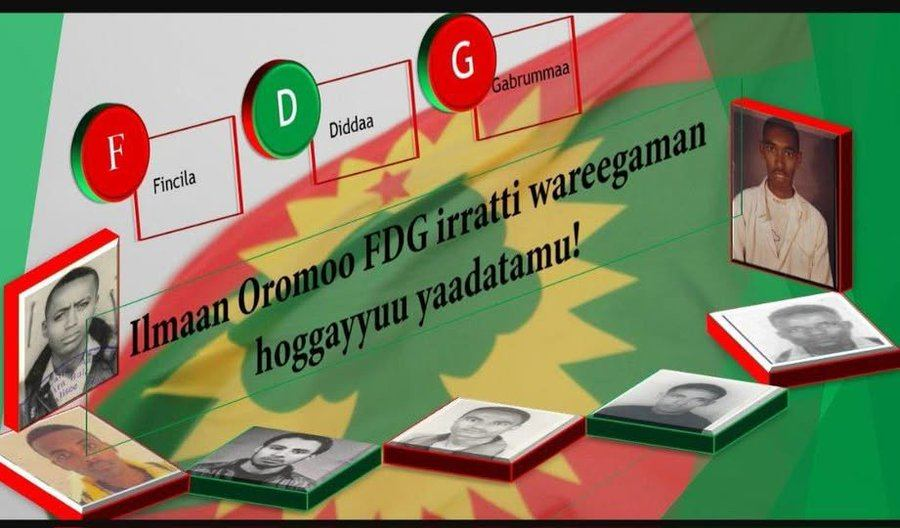
Sadaasa 9 (November 9) holds a place of supreme importance in the modern Oromo struggle for freedom because it marks the beginning of a watershed protest movement that fundamentally transformed the nature of the resistance against the Ethiopian government.
Here is a detailed breakdown of why this date is so significant and is commemorated annually.
1. The Trigger: The “Master Plan” for Addis Ababa
The immediate catalyst was the **2006 Master Plan**, a massive urban expansion scheme by the government that aimed to annex large swathes of Oromia farmland surrounding the capital, Finfinne (Addis Ababa). For the Oromo people, this was not merely a municipal boundary adjustment; it was an **existential threat**. It meant:
* Mass Dispossession: The forced eviction of Oromo farmers from their ancestral land with little to no compensation.
* Cultural Erasure: The further erosion of Oromo identity, sovereignty, and their historical connection to Finfinne.
* Economic Marginalization: The loss of livelihood for millions, turning self-sufficient farmers into a displaced underclass.
The Master Plan was seen as the ultimate symbol of garbummaa (systemic exploitation, subjugation, and denial of Oromo rights) under the Ethiopian state.
2. The Outbreak of the Oromo Protests (Fincila Diddaa Garbummaa – FDG)
In response to this plan, widespread protests erupted spontaneously, primarily led by **Oromo youth (the Qeerroo)**. While discontent had been simmering for decades, **Sadaasa 9, 2015**, marks a pivotal moment when these protests exploded into a coordinated, mass movement.
The protests that began on and around this date were characterized by:
* Mass Mobilization: It was not led by a single political party but was a genuine grassroots uprising involving students, farmers, professionals, and elders across virtually all of Oromia.
* Strategic Non-Violence: Initially, the protests were largely peaceful, involving marches, sit-ins, and the symbolic raising of the Oromo flag.
* A Clear, Unified Message: The protests unified various Oromo grievances—political marginalization, economic exploitation, cultural suppression—under the central demand to cancel the Master Plan and secure Oromo self-rule.
3. The Government’s Brutal Crackdown and Martyrdom
The Ethiopian government’s response was swift and extremely violent. Security forces used live ammunition, mass arrests, torture, and intimidation to crush the protests.
This crackdown had a profound effect:
* Creation of Martyrs: Hundreds, and eventually thousands, of unarmed protesters were killed. Sadaasa 9 became a day to remember these wareegamtoota (martyrs) who gave their lives for the cause.
* International Spotlight: The brutal suppression drew unprecedented international attention from human rights organizations like Amnesty International and Human Rights Watch, global media, and diplomats, putting the Ethiopian government under intense scrutiny.
* Radicalization of the Movement: The violence convinced many Oromos that peaceful protest was futile, further cementing their resolve and transforming the **Qeerroo** into a formidable, disciplined force for change.
4. A Historic Turning Point
The protests that began on Sadaasa 9, 2015, ignited a fire that could not be extinguished. They:
* Shattered the Climate of Fear: For the first time in a generation, the Oromo public massively and openly defied the state.
* Forged a New Generation of Leaders: The **Qeerroo** movement demonstrated immense organizational skill and strategic patience.
* Laid the Groundwork for Political Change: The sustained pressure from these protests over the next three years critically weakened the ruling party and was the primary force that led to the resignation of Prime Minister Hailemariam Desalegn and the rise of Abiy Ahmed in 2018. The **Master Plan was officially canceled** in January 2016 as a direct result of the protests.
—
Summary: Why Sadaasa 9 is Commemorated
In essence, Sadaasa 9 is commemorated because it marks the birth of the Oromo Protest Movement—a decisive, transformative moment in the struggle.
* It is a Day of Remembrance: To honor the courage and sacrifice of the wareegamtootaa (martyrs) who were killed.
* It is a Day of Resistance: It symbolizes the collective rejection of garbummaa and the reclaiming of Oromo identity and agency.
* It is a Day of Resilience: It celebrates the power of a united people to challenge a repressive state and force historic political concessions.
* It is a Foundational Date for Modern Oromo Nationalism: For the Oromo youth and the diaspora, it represents their “1776” or “Sharpeville”—a defining date where their generation took center stage in the fight for their people’s future.
Therefore, Sadaasa 9 is not just a date on the calendar; it is a powerful symbol of sacrifice, unity, and the unyielding pursuit of freedom in the face of overwhelming odds.
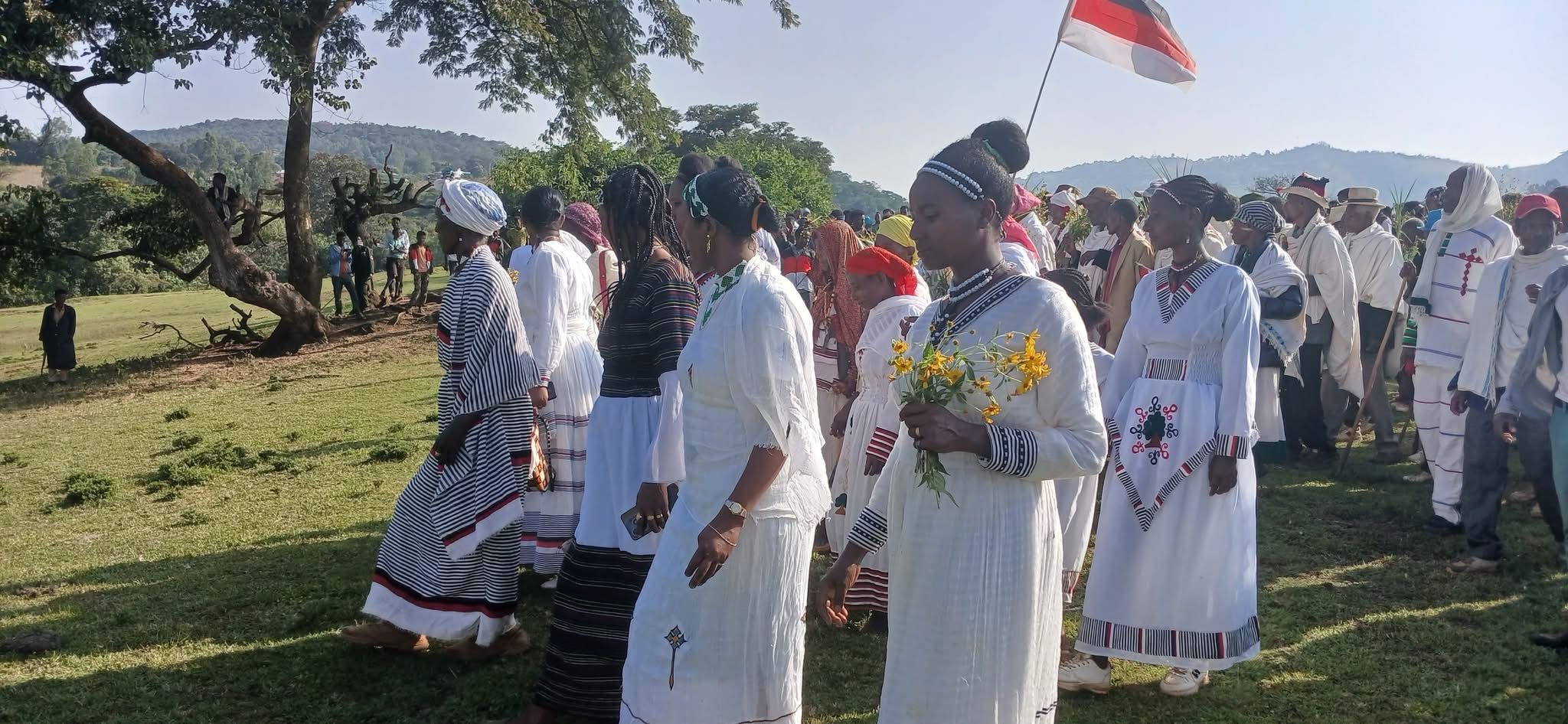
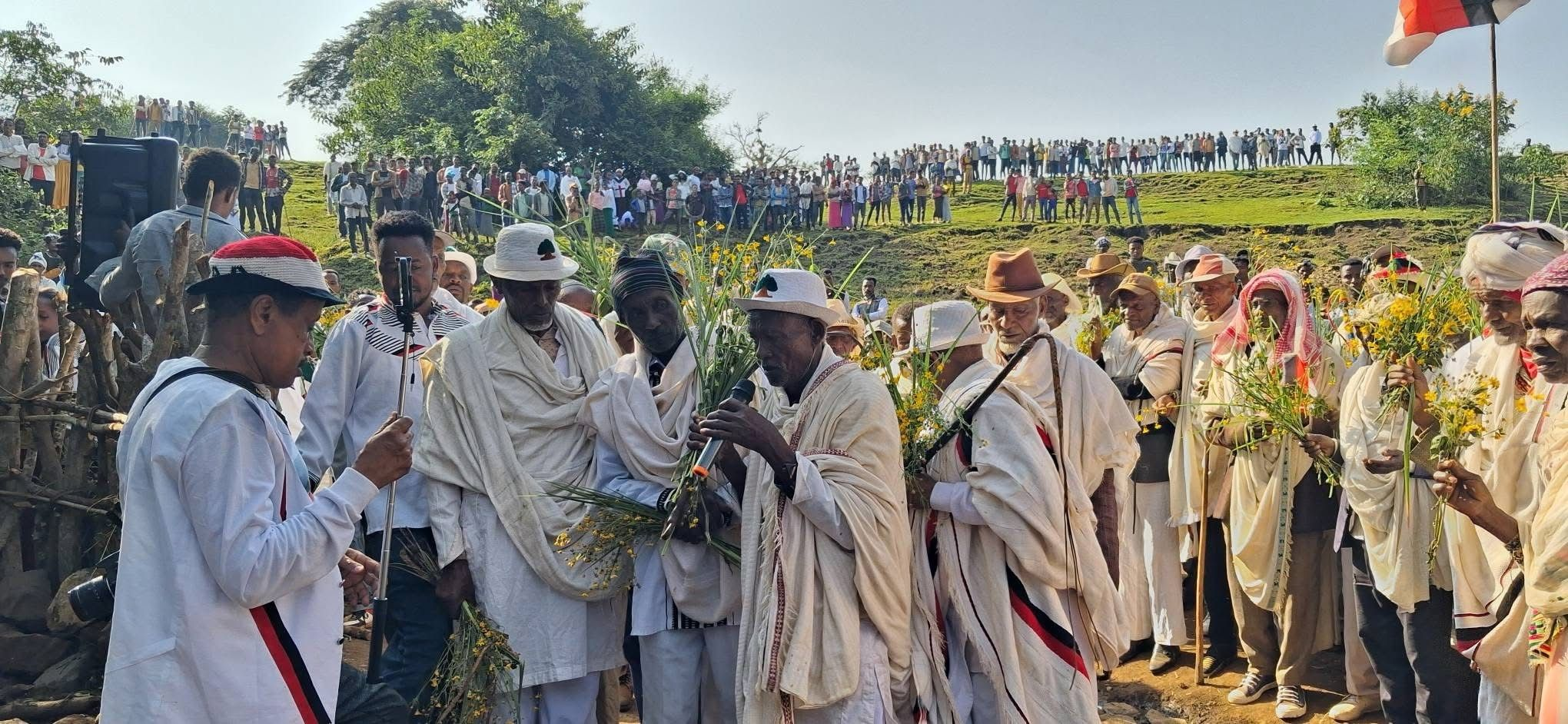
Irreecha: A Celebration of Thanksgiving and National Aspiration

In 2025, the Irreecha festival was celebrated with great warmth and magnificence in Iluu Hagaloo Hora Haleeluut, Waamaa district of the East Wollega Zone, Oromia.
Irreecha is more than a festival; it is a profound cultural cornerstone of the Oromo people, born from the Gadaa system. It strengthens the bond between past and present generations and, crucially, fosters brotherhood and unity among the diverse nations and nationalities of our country.
Irreecha: A symbol of hope, a festival of forgiveness and reconciliation. During Irreecha, the Oromo people gather, holding fresh grass, and journey to the river. They give thanks to Waaqa (God) for guiding them through the harsh winter and into the promising spring. It is a moment to pray for peace, prosperity, unity, and love for our nation and society, showcasing the greatness and virtuous name of the Oromo people to the world.
This grand festival stands as a powerful example for the world. It is a celebration that affirms Oromo identity and culture, strengthens unity and brotherhood, reinforces social bonds, and serves as a collective prayer for national peace and an expression of hope for a bright future.
Therefore, national development must be rooted in more than just knowledge, capability, specialized skills, wealth, and strong military power. It is essential to nurture, develop, and proudly transmit our rich culture, history, language, and national identity from generation to generation, presenting them as a solid foundation to the global community.
We must harness the global recognition of Irreecha—this festival of peace, love, unity, beauty, mutual respect, and inclusivity—for the benefit of our national economy. In doing so, we solidify the foundation of our country’s development.
What problems could Ethiopia’s push for sea access, which it champions as a national cause, create for the region?
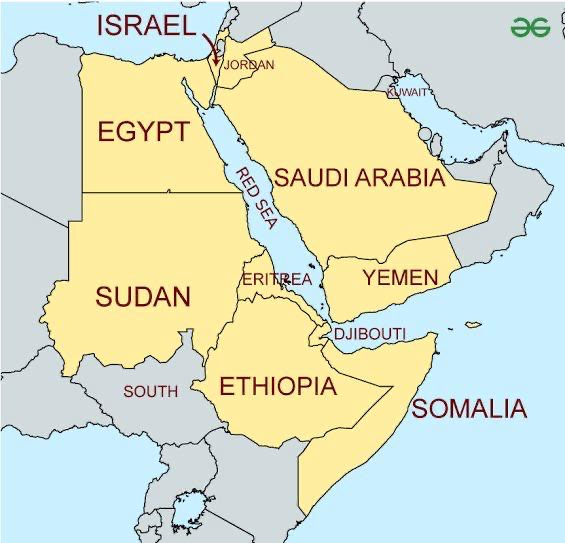
This is a well-framed question that gets to the heart of a complex geopolitical issue. Ethiopia’s push for sea access, while driven by its own economic and historical imperatives, has the potential to create significant problems for the Horn of Africa region.
Here is a breakdown of the potential problems, categorized for clarity:
1. Direct Bilateral Tensions and Conflict
The most immediate risk is the escalation of disputes with neighboring countries.
· With Eritrea: Any assertion of a “right” to sea access is likely to be interpreted by Eritrea as a direct threat to its hard-won sovereignty and its ports of Assab and Massawa. This could:
· Re-ignite the dormant border conflict and military tensions.
· Scupper any chance of normalizing relations, keeping the region in a perpetual state of cold war.
· With Somalia: Any potential deal for port access or a lease in the Somali region (e.g., Somaliland) that bypasses the fragile Federal Government in Mogadishu would:
· Be seen as a violation of Somali sovereignty and territorial integrity.
· Severely undermine the federal government’s authority and fuel nationalist sentiment.
· Potentially destabilize the delicate political balance within Somalia, empowering extremist groups like Al-Shabaab, who could use it as a rallying cry.
2. Regional Destabilization and Shifting Alliances
Ethiopia’s actions could force a realignment of regional alliances, creating new fault lines.
· The Somaliland Precedent: A formal deal with the breakaway region of Somaliland would be a seismic event. It would:
· Effectively recognize Somaliland’s independence, shattering the African Union’s long-standing principle of upholding colonial-era borders (uti possidetis).
· Inflame secessionist tensions across the entire continent, setting a dangerous precedent.
· Force other regional powers (Egypt, UAE, Turkey) to take sides, potentially creating a proxy conflict.
· Red Sea Militarization: The Red Sea is already a strategic chokehold with heavy international naval presence. A desperate or assertive Ethiopian push could lead to:
· An arms build-up along coastlines as neighboring countries seek to secure their assets.
· Increased interest and intervention from non-African powers (e.g., Iran, Turkey, Gulf States) seeking to leverage the dispute for their own strategic advantage.
3. Economic and Trade Disruptions
The Horn of Africa is a critical node for global trade.
· Port Politics and Leverage: Neighboring countries like Djibouti (which hosts a major Ethiopian military base and handles ~95% of its trade) could use Ethiopia’s desperation as leverage.
· They could raise port fees or restrict access during diplomatic spats, holding the Ethiopian economy hostage.
· Disruption of Critical Sea Lanes: Any significant military conflict or sustained political instability in the region risks disrupting traffic through the Bab el-Mandeb strait, a vital passage for global shipping and energy supplies. This would have immediate international economic consequences.
4. Undermining Regional Diplomacy and Norms
Ethiopia’s approach challenges foundational principles of regional cooperation.
· Erosion of IGAD and AU Authority: By pursuing a unilateral, assertive path, Ethiopia undermines the regional bodies (IGAD, African Union) that are meant to mediate such disputes. It signals that might-makes-right is preferable to diplomatic negotiation.
· Breakdown of Trust: For decades, regional cooperation has been built on fragile trust. A forceful Ethiopian campaign to secure a port would shatter that trust, making future collaboration on shared challenges (climate change, terrorism, water management) extremely difficult.
Conclusion
In summary, Ethiopia’s championing of sea access as a national cause is not just a bilateral trade issue; it is a potential regional catalyst. It threatens to:
· Re-open old wounds with Eritrea.
· Dismember a sovereign state in Somalia.
· Shatter a foundational continental norm on border integrity.
· Trigger a new round of arms races and proxy conflicts in the strategically vital Horn of Africa.
While Ethiopia’s economic arguments have merit, the manner in which it pursues this goal will determine whether it becomes a driver of development or a source of profound and lasting regional instability.
World Tourism Day Celebrated in Bunno Beddelle with Focus on Sustainable Change

Bunno Beddelle, Ethiopia – World Tourism Day was observed at the district level in Makkoo district, under the global theme “Tourism and Sustainable Change.”
The event highlighted the region’s significant potential for tourism-driven economic growth.
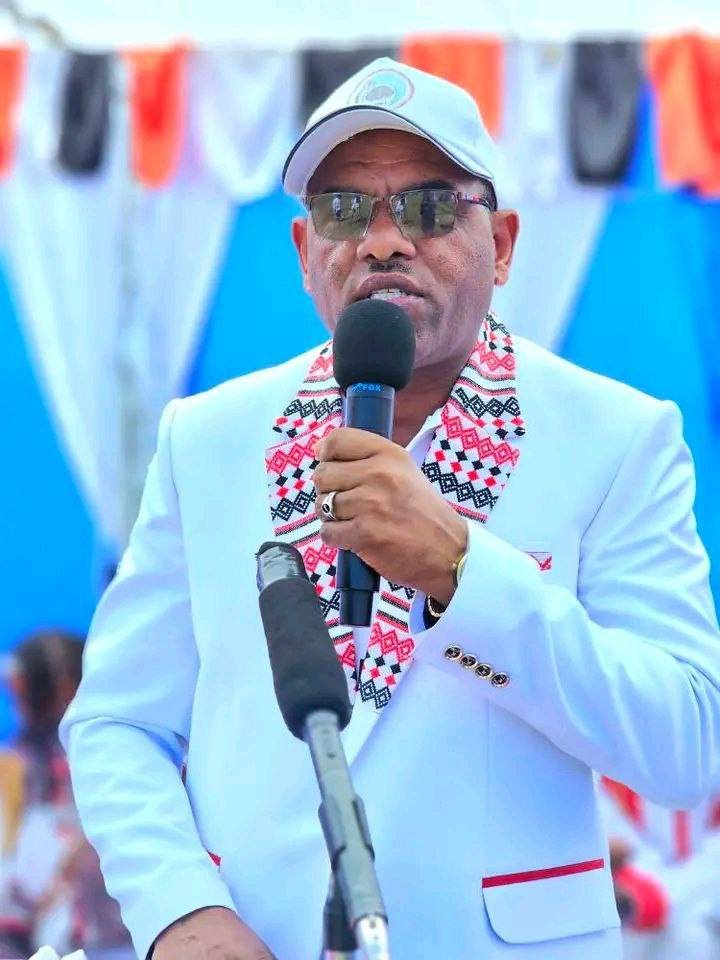
Makkoo District Governor, Tamasgeen Ayyaanaa, emphasized that the district is endowed with numerous tourism resources that can serve as a vital source of income for the community.
Echoing this commitment, the Head of the Buno Beddellee District Culture and Tourism Office, Mrs. Tigist Andaargee, outlined ongoing efforts to develop the area’s natural and cultural attractions.
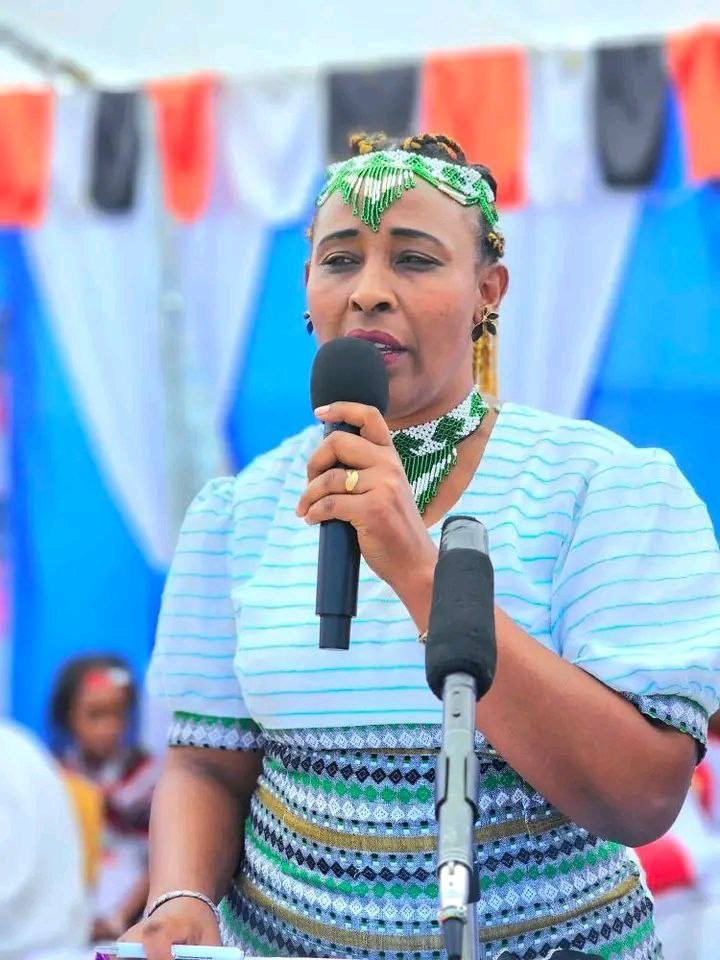
“As a district, we are working to systematically develop our natural and cultural tourism resources and make them a cornerstone of our local economy,” she stated.
Adding to this, the Deputy Governor of the District, Mr. Xilaahun Lammaa, underscored the administration’s dedication to preservation.
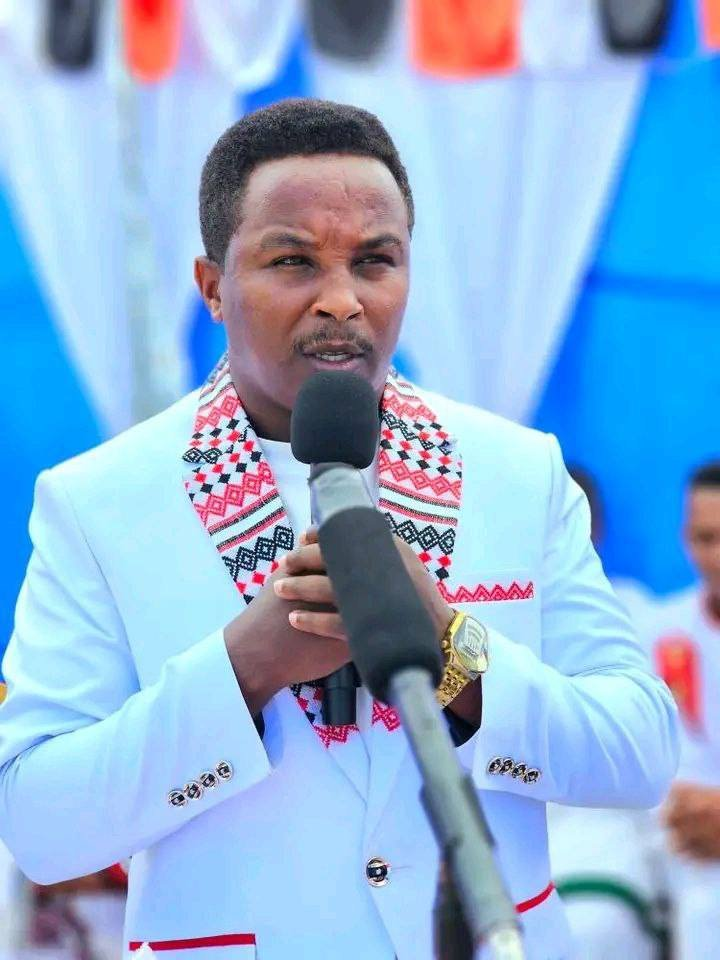
Mr. Xilaahun confirmed that the district will prioritize conserving its natural resources and actively promoting the unique cultural traditions of its people.
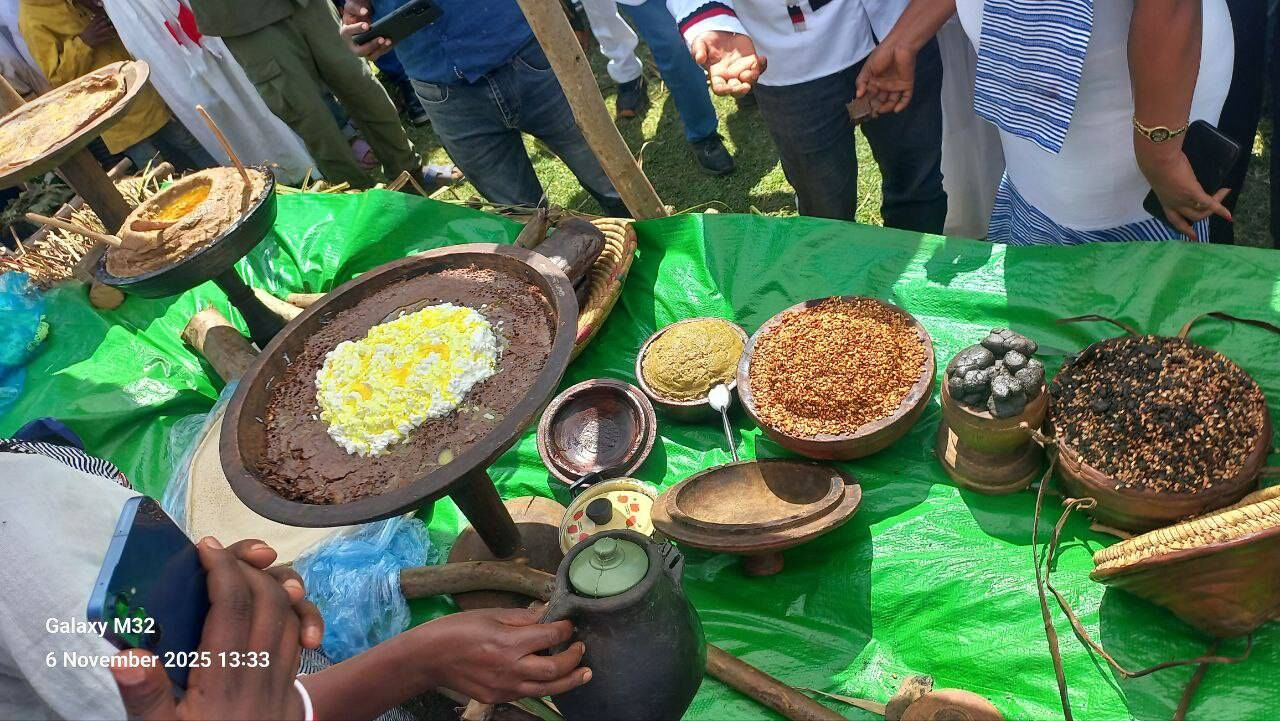
Sirna Gadaa Oromoo: Walargii fi Maaliif Murteessaa Dha?

Wal-argii hanga Nyaachisaatti Jila Gaammee Gurguddaa Ardaa Gaayootti
Finfinnee, Hagayya 20, 2017 (FMC) – Sirna Gadaa Oromoo, bu’uura aadaa, dudhaafi bulchiinsa uummata Oromoo keessatti ilmi Oromoo kamuu sadarkaalee guddinaa keessa darbu qaba.
Gadaan adeemsaa dheeraa keessa dhaloota horataa, guddisaa, gurmeessee, ijaaree gahoomsa.
Akkaataa sirna Gadaatti, keessumaa Gadaa Booranaa keessatti namni fuulduraaf Abbaa Gadaa ta’ee filatamu kan adda ba’u sadarkaalee guddinaa keessaa tokko kan ta’e sadarkaa Gaammee Gurguddaa irraa gara Kuusaa ce’uu lallabama.
Ijoolleen sadarkaa Gaammee gurguddaa keessa jiran, kan gogeessa tokkoo, utuu gara Kuusaatti hin ce’in bakka jiran hundarraa walitti dhufanii wal argu. Sirni Gaammeewwan gurguddoon kallattii adda addaatti dhufani itti walbaran kun Walargii jedhama.
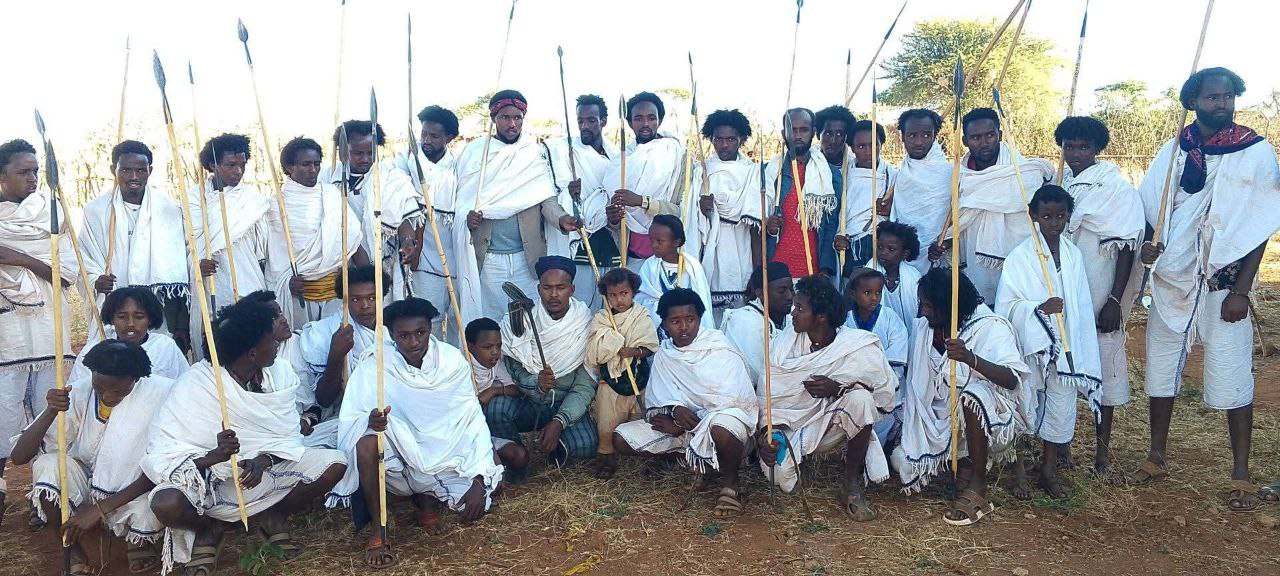
Biiroo Aadaa fi Tuurizimii Oromiyaatti dursaan garee sona aadaa Bonayaa Diidoo Faanaa Dijiitaalitti akka himanitti, ijoolleen Booranaa umurii kana keessa jiran biyya Keeniyaa irraa utuu hin hafin deggersa abbootii isaaniin bakka Gumii Gaayyootti walitti dhufanii walargu.
Kaayyoon wal argii kanaa ijoolleen gaammee gurguddoo gogeessa tokko ta’an ardaa kanatti dhufanii wal barachuu, wal arguufi wal beekuudha. Kaayyoon biraa seera, aadaa, safuu uummataa kabajuufi tokkummaa gogeessa isaanii cimsuudha
Walargiin waggaa saddeet keessatti yeroo tokko kan raawwatamuu dha.
Sirna guyyoota sadii hanga afuriitti turu kana irratti hirmaachuuf Gaammeewwan yeroo imala eegalan irraa kaasee bakka ga’anitti qubachaa uummannis qalee nyaachisaa, godina Booranaa aanaa Dhaas, bakka ardaa Gaayoo jedhamu hanga ga’anitti akkaataa kanaan imala itti fufu.
Gumii Gaayoottis Abbootiin Gadaa fi Abbootiin Lubaa ijoollee kana goggeessa tokko keessa jiraachuu isaanii adda baasuun walbarsiisu. Wal argiin kun qa’ee abbootii isaanii Abbaa Gadaa duraanii Guyyoo Gobbaatti wal geettee sangaa qalattee eebbifatti.
Sirni walargii kun sagantaa guddaa kan Abbaan Gadaa gara fuula duraa keessatti madaalamu sirna , ”Nyaachisa” jedhamee kan beekamuuf boqonnaa jalqabaati.
Sirni Nyaachisaa walbaruun booda ji’oota gara kudhanii booda kan raawwatamuu dha.
sirna nyaachisaa keessatti gara ji’oota shaniif Gaammeewwan utuu manatti hingalin diida turu, leenjii aadaa, duudhaafi safuu ummataa barataa lenji’aa turu.
Yeroo leenjii kana fooniifi dhiiga horiin alatti waan biraa hin nyaatan, manatti hingalan, qaama hin dhiqatan. Uffata hin dhiqatan, kophee faanaa hin keeyyatan, Qormaatilee jireenyaa shaakalaa turu.
Akkaataa ayyaana kaalandara aadaatiin yeroon nyaachisaa yemmuu ga’u, Gaammeewwan walbaranii turan sirna Guddaa kana irratti, Abbootii Gadaa, Luboota fi jaarrolee waliin deebi’anii walga’u.

Qalanii nyaatu, ni eebbifamu. Sirnicha Guddaa kan jechisiisu garuu nyaachuu fi dhuguun alatti qormaataafi leenjiin guddaan bakka itti kennamu ta’uu isaa ti.
Gaammeewwan leenjii fudhataa turan waldorgomu, ni madaalamu, ciminni qaamaa fi hubannaan bulchiinsa Gadaaf qaban ni qorama, dandeettii dubbii isaaniis ni ilaalama.
Gaammeewwan achitti walga’an keessaa kan qormaatilee kanaan hunda caalaa milkaa’etu gama gogeessaafi uummata bal’aatiin Hayyoota Adulaa fuula duraaf filamee, eebbifamee gosa biratti beekama. Gaafa umuriin isaa guutus Gadaa ta’ee baallii fudhatu.
Tibbanas Godina Booranaa Bahaa Aanaa Dhaasitti Gammeewwan guguddaan Booranaa Gaayootti walagii irra jiru.
Adoolessa 2018 keessa ammoo sirna Nyaachisaatu geggeeffama.
Kuluulaa Garbichaa fi Yoonaataan Birhaanuun.
Commemorating the 20th Anniversary of the FDG Revolution
On November 9, 2005, the Oromo Liberation Front (OLF) called upon the Oromo people to embark on a historic, peaceful struggle—the FDG Revolution. This call was answered with immense courage and profound organization by the Oromo youth, students, and farmers, who rose in unified resistance.
In this struggle, our Oromo heroes made the ultimate sacrifice, giving their irreplaceable lives for their nation. Their valor served to strengthen the foundation of the OLF-led liberation movement within the country and ensure its enduring presence among the people.
The enduring legacy of the FDG is its dual mission: to dismantle the forces of dictatorship and to lay the foundation for an Oromo people standing at the threshold of freedom. As we mark this 20th anniversary, we honor their sacrifice and reaffirm our commitment to the cause for which they so bravely fought.
The ‘Without Me’ Mentality and Ethiopia’s Crisis

Examining the Broader Causes of Instability in Ethiopia
===============================
The core argument, as articulated by Sena Jimjimo, founder of OLLAA, is that a lack of internal consensus and a toxic culture of “without me” thinking within Oromo political factions pose a significant danger to Ethiopia.
She contends that this mindset has led to a situation where:
Truth is Sacrificed for Unity: Oromo fighters avoid difficult truths with each other to maintain a superficial unity.
Individual Ambition Over Collective Good: The belief that liberation can only be achieved through a specific leader or group (“without me”) has been destructive.
Resulting Instability: This failure to build a unified, truth-based movement has ultimately made Ethiopia unsafe.
Counter-Response
While Sena Jimjimo raises valid concerns about the dangers of political fragmentation and individual ambition, her analysis risks misdiagnosing the core problem by focusing on a single group.
A more comprehensive perspective would argue that Ethiopia’s instability stems from a systemic failure to build a genuinely inclusive, multi-ethnic state, not from the internal dynamics of one community.
Here is a counter-response:
Subject: Re: Examining the Broader Causes of Instability in Ethiopia
The challenges facing Ethiopia are complex and cannot be attributed to the internal politics of any single group. While introspection within all political movements is necessary, framing the “Oromo” or “Oromo fighters” as the primary danger is a reductive and counterproductive narrative.
The true source of Ethiopia’s instability is the decades-long, systemic failure to establish a political framework where all ethnic groups feel they have a secure and equitable stake in the nation’s future. The “without me” mentality is not an Oromo-specific issue; it is a symptom of a zero-sum political culture that has been fostered by successive central governments. When communities are historically marginalized and their demands for self-determination are met with violence or empty promises, it inevitably breeds factionalism and a desperate struggle for agency.
Furthermore, the call for “unity” must be critically examined. Too often, calls for national unity have been a pretext for suppressing legitimate grievances and enforcing assimilation. The courage to tell “the truth” that Ms. Jimjimo calls for must apply equally to all sides—including acknowledging the historical injustices that have fueled the very divisions she laments.
Therefore, the path to a safe and stable Ethiopia does not lie in singling out one group, but in addressing the foundational issues: building robust institutions that guarantee justice and equality for all, fostering a culture of genuine political compromise, and creating a shared national identity that respects and celebrates Ethiopia’s rich diversity. The solution requires a collective responsibility from all of Ethiopia’s national political forces, not a critique of one.
OLF Prepares for 7th Round Elections: Key Strategies Revealed
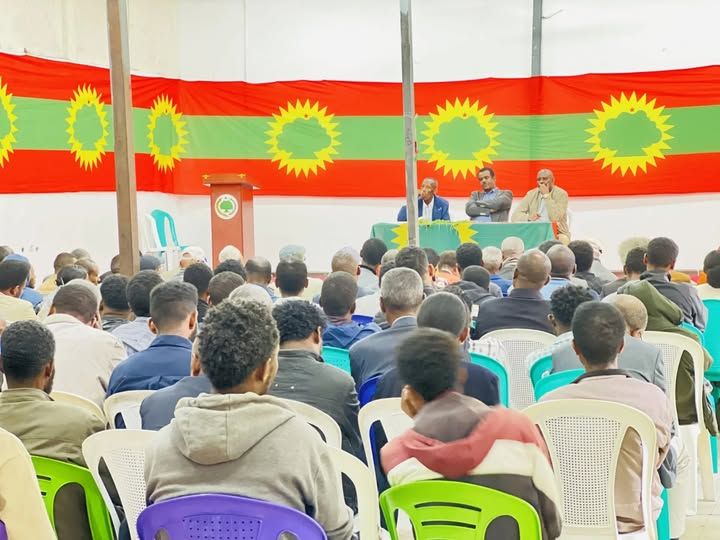
FINFINNE – The Oromo Liberation Front (OLF) is finalizing its preparations for the upcoming 7th round of national elections and is collaborating with the National Election Board to meet all requirements, according to a statement from the party.
The announcement was made by OLF Member Secretary-General Jaal Abdii Raggaasaa during a meeting at the party’s headquarters in Gullalle. He outlined the party’s strategic direction, emphasizing member duties, organizational growth, and the current political landscape.
On Party Building and Member Duties
Jaal Abdii Raggaasaa stressed that every member has a fundamental duty to recruit and mentor new members, beyond their assigned roles. “If the organization is not built, it cannot grow,” he stated, challenging each member to personally recruit at least ten individuals to strengthen the party’s structure.
He connected personal experience to collective success, noting that individuals bring diverse characteristics to the struggle. “From individual to group or union, there are those who take responsibility in the OLF struggle and bring results,” he said.
On Political Vigilance and Internal Security
The Secretary-General issued a stern warning against internal division and espionage. He urged members to report any individuals suspected of spying on the party for the government.
He also condemned members who work in multiple places or factions, describing such behavior as self-destructive. “The Irbuu (oath) is devouring,” he said, warning that those who take an oath of allegiance cannot stand in “two or three places.” He urged introspection, asking members to question their contribution to the collective cause.
On the National Political Context
Jaal Abdii Raggaasaa addressed the ongoing conflict in northern Ethiopia, expressing the participants’ concern that the war could expand into Oromia. He asserted that the OLF would not allow “Northerners to take over the country again,” and would not be a passive observer if any forces attempted to enter Oromia.
Regarding international influence, he pointed out that no one in Africa comes to power without the will of Western governments. However, he added that the OLF does not believe Western governments are currently willing to empower either Tigray or Amhara factions at the expense of Oromia.
He concluded by reaffirming the party’s position: “The OLF is in a good position, and we must fulfill our duty by turning our existence into action. The struggle is to give priority to the people first of all and to work for the interest of the people rather than personal interest.”
The meeting concluded with participants affirming that an “awakened nation is built and the built is united,” underscoring the theme of unity and mobilization.
Irreechaa Festival: Celebrating Oromo Culture in Melbourne
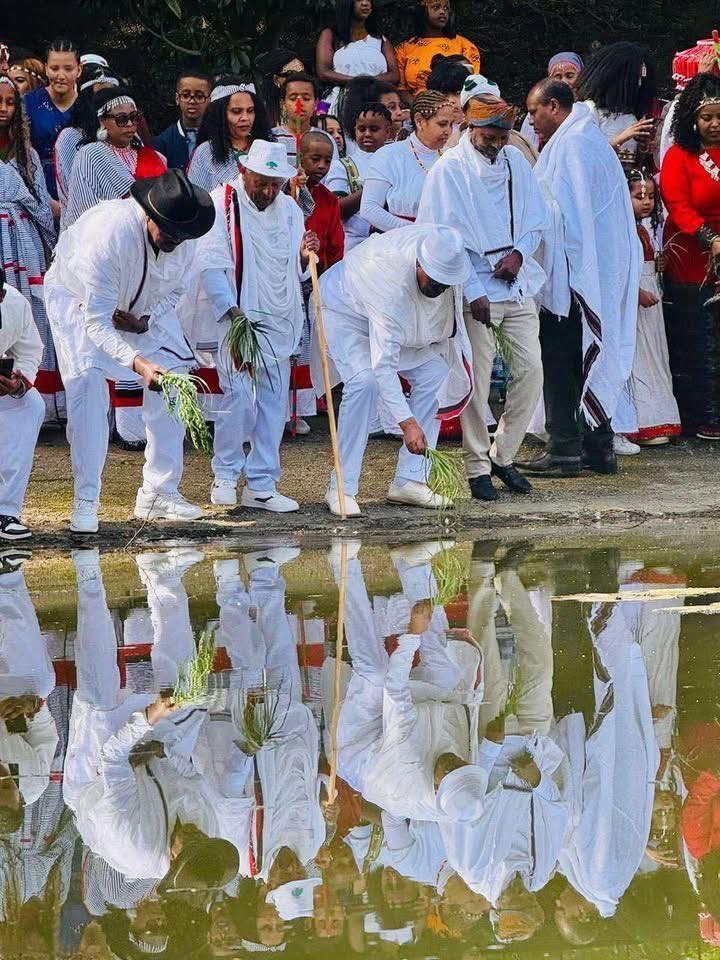
(Oromedia, 29 September 2025) Irreechaa celebrations in Melbourne have become a notable expression of Oromo culture, bringing the local Oromo diaspora together to honor traditional values and strengthen communal bonds.
The festival typically features blessings by elders, cultural performances, music, dancing, and communal meals, all designed to replicate the spiritual essence of Irreechaa as celebrated in Oromia.
Festival Highlights in Melbourne
– The celebration is usually held at riversides or parks—often at the iconic Wilson Botanical Garden—to maintain the symbolic tradition of giving thanks to Waaqa (God) by water.
– Community leaders and elders lead the prayers and blessings, paying homage to nature and ancestral wisdom.
– Attendees wear traditional Oromo clothing, display cultural ornaments, and use symbolic colors such as black, red, and white.
– Music, and dances (including Siiqqee and Gumii) are performed to educate and entertain both the Oromo community and local Australians.
Purpose and Impact
– The event fosters Oromo cultural identity and unity among diaspora members.
– It serves as a platform for educating younger generations about heritage and traditions, helping them maintain a connection to their roots.
– Many celebrations invite local government officials, multicultural organizations, and curious residents, encouraging mutual respect and intercultural exchange.
Growth and Community Engagement
– Participation has steadily grown, with increased efforts by local Oromo associations to expand outreach and inclusivity.
– Social media and diaspora networks play a crucial role in organizing, publicizing, and preserving the festival’s traditions, even reaching Oromo youth who may be distant from their homeland.
Irreechaa in Melbourne embodies both cultural pride and adaptation, allowing the Oromo community to sustain meaningful traditions while building bridges with the wider Australian society.
Participants took memorable photos with family, friends and each other and shared them on social media.
All those who participated in this celebration filled with love and respect are saying that they remember it with joy.
Irreechaa is a festival of wisdom that Oromo have contributed to the world community, which promotes gratitude, peace, reconciliation, hope, life, social harmony, connection, mutual assistance, sharing, harmony and morality.
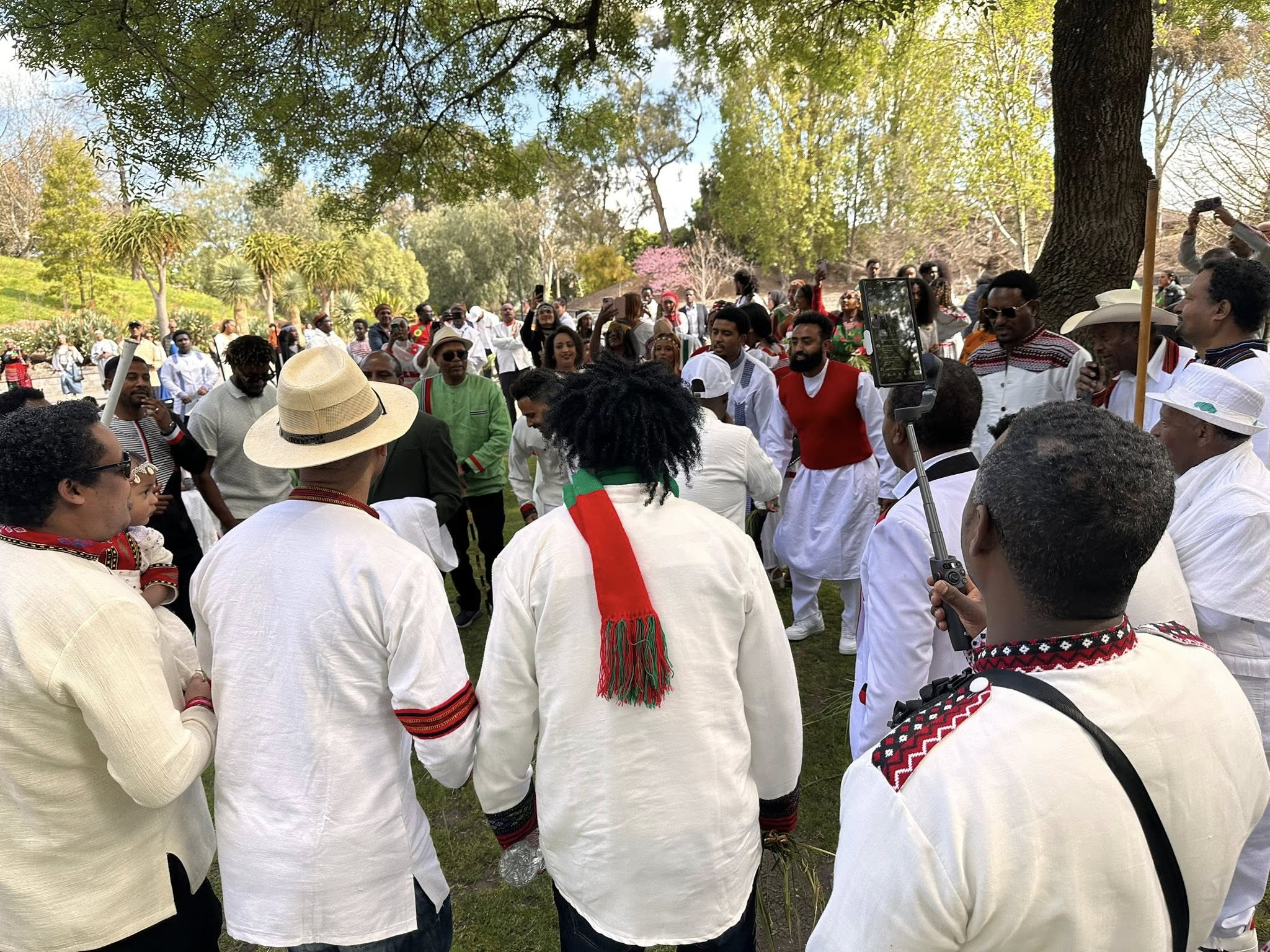
𝕀𝕣𝕣𝕖𝕖𝕔𝕙𝕒𝕒: The Oromo Festival of Thanksgiving and Renewal
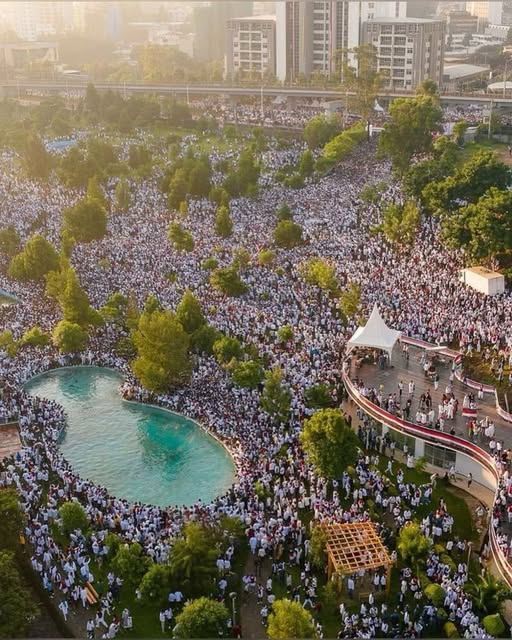
Every year, as the rains recede and the Ethiopian highlands begin to glow with new light, millions of Oromo people gather to give thanks. Irreechaa — literally “thanksgiving” in Afaan Oromo — is a vibrant, deeply felt festival that marks the end of the rainy season and the welcoming of a new, fertile period. It is at once spiritual ceremony, community reunion, cultural showcase, and a time for renewal.
Roots and Meaning
Irreechaa is rooted in the traditional Oromo worldview and is closely linked to the Gadaa system, the democratic social and political institution that organized Oromo life for centuries. The festival is fundamentally a ritual of gratitude to Waaqa (God) for life, health, and the bounty of the land. It affirms social bonds, renews moral commitments, and marks seasonal and generational transitions. Though its spirit is ancient, Irreechaa remains a living, adaptive tradition that continues to shape Oromo identity today.
Where and When It Happens
Irreechaa is observed across Oromia and by Oromo communities worldwide. Celebrations are usually held at natural gathering places — lakes, rivers, and meadows — where people can perform water- and earth-centered rites. The largest contemporary gatherings often take place by the lakes near Bishoftu (sometimes also called Debre Zeyit) and at other prominent riverbanks and lakes throughout the region. The timing follows the agricultural and pastoral calendar: typically at the end of the rainy season, around late September or early October in the Gregorian calendar, though exact dates may vary by locality and community.
Rituals and Practices
An Irreechaa morning is a sensory feast. People travel from villages and cities, wearing traditional dress and carrying bunches of seasonal wildflowers and fresh grasses. The ceremony is usually led by elders and by the Abbaa Gadaa (the Gadaa father or leader), who offers prayers and blessings for the coming year.
Key elements include:
– Gatherings at water: People congregate at lakeshores and riverbanks, where water symbolizes renewal and life.
– Blessings by elders: The Abbaa Gadaa or elders lift a branch of grass or flowers — a symbol of life — and sprinkle or dip it in the water, then wave or sprinkle drops over the crowd as a communal blessing.
– Songs and ululation: Traditional songs, chants, and ululations (high-pitched celebratory cries) fill the place. Music and dance are central, with both communal steps and individual expressions.
– Feasting and fellowship: Families and friends share food, exchange greetings, and reconnect after the rainy months. Coffee ceremonies, a core part of Ethiopian hospitality, often accompany gatherings.
– Symbolic gestures: The sharing and tossing of flowers or grasses into the water is a visible act of giving thanks and wishing for fertility and prosperity.
Cultural and Civic Dimensions
Though Irreechaa is primarily a spiritual and cultural event, it has also taken on civic and social significance in modern times. Festivals have been occasions for public discussion, cultural revival, and the assertion of Oromo language and identity. For the Oromo diaspora — in North America, Europe, and beyond — Irreechaa gatherings are important moments for preserving heritage and passing it to younger generations.
The festival has not been without challenges. Large crowds require careful management, and political tensions at times have added complexity to peaceful celebrations. Communities and authorities increasingly work together to ensure safety while protecting the sacred and communal nature of the festival.
Why Irreechaa Matters
Irreechaa is more than an annual party: it is a ritual that knits people to place, to each other, and to the cycles of nature. It embodies gratitude, resilience, and hope — values that resonate far beyond Oromia. For visitors and observers, Irreechaa offers a window into a rich cultural tradition that balances spirituality, social cohesion, and joyful celebration.
If You Attend
If you have the opportunity to witness or participate in Irreechaa, approach with respect:
– Dress modestly and follow local customs.
– Ask permission before taking photos, especially of elders or religious activities.
– Participate quietly and respectfully in communal moments; observe before joining.
– Be mindful of large crowds and follow safety guidance from organizers.
Irreechaa remains a powerful expression of Oromo life: a time to say thank you, to heal, to celebrate community, and to step forward together into the new season.
#Irreecha#Irreechaa#Oromo#OromoFestival#OromoCulture#OromoTradition#OromoThanksgiving#Gadaa#SirnaGadaa
Irreechaa: For Peace and Reconciliation

By Girma Mirgisa Reba
Ethiopia is endowed with beautiful diversity and richness of cultures, which are celebrated at different times in the country. In particular, September is a month of festivals, holidays and celebrations around the country, among which, are Meskel festival and Irreechaa festival, thanksgiving of the Oromo people.
It also represents the start of Ethiopian New Year , symbolizing a stimulating time of change, thanksgiving and renewal, with the celebration of a series of cultural and religious festivals throughout the month. It is also a season when the landscape is dressed with the golden color of Ethiopian daisies, locally known as Adey Abeba flower.
Ethiopian New Year signifies a time of renewal, as the rainy season subsides leaving behind lush fields blooming with yellow daisies which adorns homes of many Ethiopians throughout September, and representing the spirit of peace, hope, harmony and love which come along the New Year.
Meskel, a UNESCO-inscribed intangible cultural heritage, is also celebrated by Ethiopian Orthodox Christians on Meskerem 27 and commemoration of the unearthing of the True Cross of Jesus. The Yo Yo Gifata of the Wolaita, Yo Masqalaa of the Gamo, Ya Hode of the Hadiya, Meskel of the Gurage, Hashu Masqala of the Kembata Tembaro, Gofa Gaze Masqalaa, and Mashqare-Kaficho, among others, adorn the month of September in southern part of the country by festivities and joy. It is also a time of attracting more tourists.
Similarly, the week-long Irreechaa cultural festival is observed by the Oromo people at the beginning of spring as a time of peace, reconciliation, unity and thanksgiving and forgiveness. Irreechaa is ‘Thanksgiving Day’ for the Oromo people after the end of the rainy season. It is celebrated for all things that Waqaa ‘God’ has done for people like bringing rain, peace, health, fertility, abundance, and for the beautiful weather they have cherished. In the course of Irreechaa festivals, thanks will be given for the achievements of last year and chanting for the hope and productivity of the future.
The Oromo people consider the winter; rainy season that lasts from June to September as the time of difficulty because the rainy season causes much muddy and the surroundings covered with heavy cloud. The heavy rains are also accompanied by thunder and cold weather. The weather conditions make life inconvenient for human movements. The heavy rains may cause rivers to over floods and family relationships to fall into difficulty. Therefore, the Irreechaa festival is all about rekindling about family connections, hope and joy. Friends and relatives who missed each other and the beautiful nature for a long time due to the rainy seasons long for getting together for the blessings and festival of Irreechaa by the Oromo people. It is also a season where sowed crops will blossom, get ripe and bear fruits.
Irreechaa is celebrated in different localities across Oromia and worldwide where Oromos are living. In particular, the Irreechaa festivity which is taking place at Hora Finfinne and Hora Arsadi in Bishoftu town, is a unique thanksgiving festival which brings together millions of people from all corners of Oromia and the country.
Irreechaa is a time for the Oromo people to celebrate their culture and traditions. People during the festival wear colorful traditional attires as well as sing and dance. It is one of the best festivities of Ethiopia where cultural singing and dancing are common. This grand festival attracts a large number of the Oromo people and people from all parts of the country regardless of age, religion, political affiliations and sex to come together and celebrate the festival with extraordinary love, chanting and unity. It is a time to honor nature and give thanks for the blessings of brotherhood.
The concept of peace and reconciliation are an important and integral part of the daily activities of the Oromo people. The Oromo preach peace and reconciliation and offer blessings during thanksgiving ceremonies of Irreechaa. The worldview of the Oromo is to forge unity, peace and social relations with other people. Peace is achieved when mankind is at peace with God, nature and all creations. According to the sayings of the Oromo“Peace is a gift from God; and peace is better than wealth.” This shows how much the Oromo people value peace.
The Oromo people love and respect their Creator, take care of nature, have a good relationship with God, and take the view that a person who does not have a good relationship with God will not have peace with man and other creatures either.
So, Irreechaa celebration is a manifestation where the whole walks of life practice chanting about peace and reconciliation. And all who participate in the chanting pray for the peace of the Earth, the country, children, elders, wish best for the present life and next generation as well as for livestock and all living things. Thanksgiving Day is where the Oromo people proclaim peace and reconciliation to all without revenge but with pure heart.
Forgiveness is central to the Ireechaa festival. Ireechaa is believed to be of great importance to those people who are able to give forgiveness for their intentional or unintentional grievances with other people.
The day of the festival is believed to be a day of peace, happiness, reconciliation, forgiveness and prosperity. Accordingly, before anyone celebrates Irreechaa, be they individuals or groups, resolving conflicts between them, reconciling, forgiving each other, establishing peace and reconciling with God are the preconditions to be observed. That is why the saying of the Oromo has it: “Yoo namni walitti araarame, Waaqnis namaaf araarama” which means “If a man is reconciled to a man, God is reconciled to man.”
In Irreechaa celebration where Oromo people celebrated this grand festival along with other nations and nationalities of this country. Since recently, not only Oromo people, but also different nations and nationalities in the country are celebrating the event together with their Oromo brothers and sisters. This in turn has been consolidating linkage among the nations and nationalities thereby strengthening the love, unity and harmony among Ethiopians. Such a festival serves as a significant forum to further exchange cultural values among the Ethiopian nations and nationalities.
Since the Gada System has been registered as one of the Intangible International Cultural Heritage by UNESCO, Irreechaa festival is also embraced by the international community at large as part and parcel of an ancient tradition of the Gada system. So, a lot is required from all stakeholders to promote this festival and exploit its tourism potential. It is also important to promote the significance of this grand festival at international level and get registered by UNESCO. The festival should also be celebrated in accordance with its values and assets and pass on to the next generation.
Wal Harkaa Fuudhinsa Baallii Michillee irraa gara Birmajiitti: Gadaa fi Tokkummaa Oromoo
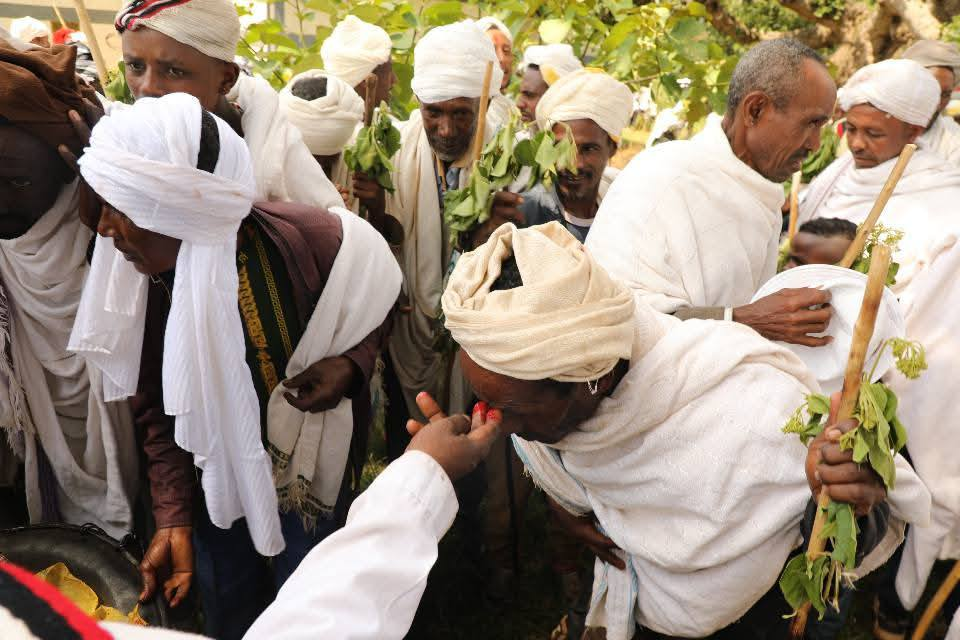
Dhimmi:
Miseensonni Gadaa Galma Giddugala Aadaa Oromoo (Jahaan Noonnoo, Ardaa Jilaa) guyyaa sadaffaaf wal harkaa fuudhinsa Baallii Michillee irraa gara Birmajiitti darbuu itti fufuun, sirna Gadaa fi seera Oromoo akka jijjiiramaa fi kabajamaa jiru agarsiisa. Kun ummati Oromoo sirna isaa eeguu, seera isaa kabajuufi waliin jiraachuuf murteessaa ta’uu isaa mirkaneessa.
1. Maaliif Wal Harkaa Fuudhinsa Kun Barbaachisaa?
✔ Seera Gadaa Eeguu:
- Gadaan siyaasa, hawaasa, fi qabeenya ummata Oromoo murteessuuf karaa sirrii ta’uu isaa mirkaneessuu.
- Korma dagaagaa qaluun seerota raawwachiisuun, safuu fi heera kabajuu.
✔ Tokkummaa Oromoo Cimsuu:
- Wal harkaa fuudhinsa kana keessatti miseensonni Gadaa mirga fi dirqama ummata Oromoo irratti walii galu.
- Birmajiin (Birma-jii) akka bakka mijaawaa ta’uun, garee lammiiwwan Oromoo walitti fiduu.
✔ Dhaabbannaa Barruulee Aadaa:
- Baalli Michillee (sacred covenant) fi Birmajiin (traditional assembly) keessatti seerota fi heerummaa Oromoo dhaabbachuu.
2. Sagantaawwan Gadaa Raawwachiifamaa Jiran
✔ Korma Dagaagaa Qaluu:
- Miseensonni Gadaa seera fi heera Oromoo irratti marii gaggeessu.
- Murteewwan hawaasaa, siyaasaa fi qabeenyaa murteessu.
✔ Aadaa fi Safuu Eeguu:
- Ayyaana, qooqa, fi seera Oromoo akka hin jijjiiramne eeguu.
✔ Waliin Jiraachuu Cimsuu:
- Garee lammiiwwan Oromoo (e.g., Noonnoo, Ardaa Jilaa) waliin tumsa fi heerummaa uumu.
3. Dandeettii fi Dhiibbaa
✔ Dandeettii:
- Gadaan akka sirna demokiraatawaa uummamaa ta’uun, ummata Oromoo mirga isaa kabajuu danda’a.
- Wal harkaa fuudhinsa kana keessatti haasawa waliifaa gaggeessuun, jijjiirama siyaasaa gaggeessuu danda’a.
✔ Dhiibbaa:
- Mootummaan Itoophiyaa Gadaa dhiisuuf yaaluu danda’a.
- Seera Gadaa fi heerummaa Oromoo akka hin jijjiiramne eeguu qaba.
4. Gorsa Ummata Oromoof
✔ Gadaa fi Seera Kabajaa:
- Ummati Oromoo sirna Gadaa isaa eeguu, kabajuu fi ittiin buluu qaba.
✔ Waliin Jiraachuu: - Wal harkaa fuudhinsa kana keessatti hirmaachuun, tokkummaa Oromoo cimsuu.
✔ Aadaa fi Afaan Oromoo Eeguu: - Seenaa fi aadaa Oromoo barachuun, durbee isaa eeguu.
5. Xumura
“Gadaan safuu, Gadaan nagaa, Gadaan ummata Oromoo buluu dha!”
Wal harkaa fuudhinsa kana keessatti mirga ummata Oromoo kabajuu, seera isaa eeguu, fi tokkummaa cimsuu gochuu qaba.
#Gadaa #Oromoo #WalHarkaaFuudhinsa #Birmajiin
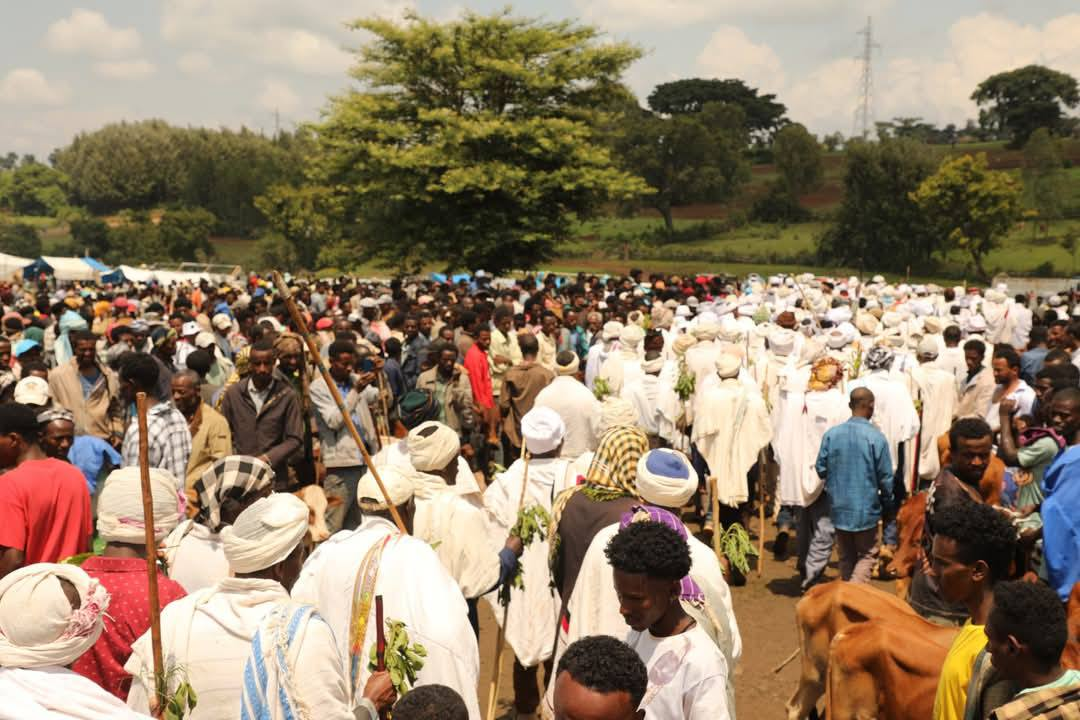
Araara Gadaa Muudanaa: Gogeessa Muudanaa Quufafi Eebbaa
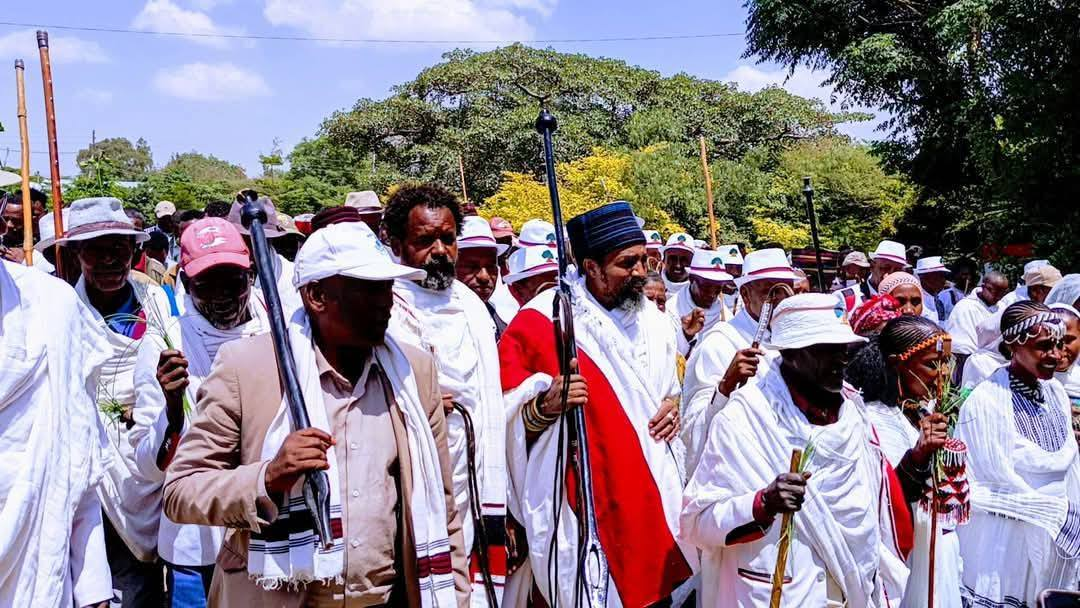
Jilli Godaansa Gadaa Oromoo Tuulamaa Odaa Nabeetti Faajjiifi Birbirsa dhaabuun sirna araaraa gaggeesse.
Jilli kun ilmaan Oromoo Tuulama sadeenii Daaccii, Bachoofi Jiille warreen miseensa Gadaa Muudanaatiin kan taasifamu yoota’u, guyyootaaf deemsa gara Odaa Nabeetti taasisan raawwachuun guyyaa har’aa Faajjiifi Birbirsa dhaabuun sirna araaraa erga raawwatanii booda korma qalanii bilachuun qophii godaansa gara Caffee Tumaa taasisan.
Sirna araaraa kanaan waldhabdee gosoota gidduu turan ilaaluun araara gaggeessan. Araara kanaan sirna gumaa kennuufi fudhachuu gosoota gidduu hiikanii, furmaata waaraa dhibdeewwanii turaniif kennameera.
Godaansi kun itti fufuun, Caffee Tumaatti wixinee seeraa baasu. Seerri kun kan Muudanni ittiin waggoota saddeettan dhufaniif bulchudha. Bu’uuruma kanaan seera haaraa baasuufi kan ture fooyyessuun, miseensonni Muudanaa seera bahe fudhatanii gara qe’eefi gosa isaanitti deebi’uun, Bultoo Bulanii miseensota gadaa hafaniifi ummata bal’aaf seera bahe dhaqqabsiisu.
Ummannis seera bahe gabbisuun, waan dabalamu qabuufi waan hir’achuu qabu erga dhiyeessaniin booda, waggaa tokko booda muudanni gara Caffee Tumaa deemuun seera raggaasisa. Seera raggaasifame kanaan, miseensi Gadaa Muudanaa yemmuu Baallii fudhatu, waggoottan saddeet dhufaniif ittiin kan bulchuudha.
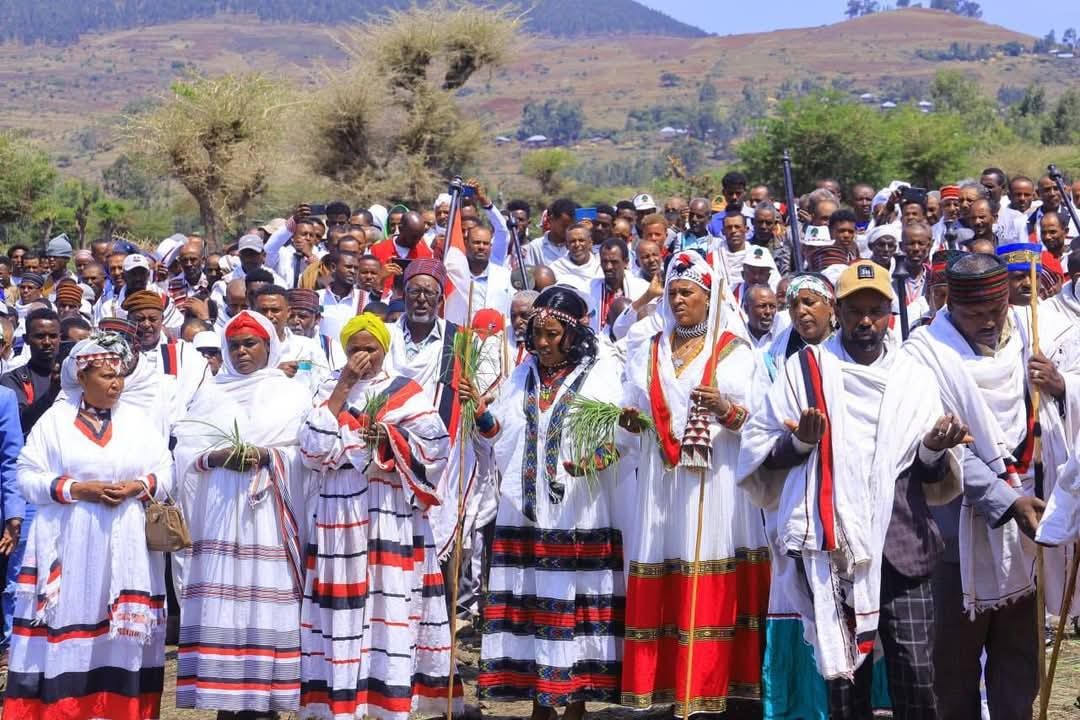
Mootummaan gama aadaa, duudhaa, beekumsaa Oromoo dagaagsuu ilaalchisee tarkaanfii addaa addaa fudhateera. Hojiilee dursee raawwate keessaa tokko galmoota gulantaa qabsoo ummata Oromoo madaalan bocuu ture. Galmoonni sabboonummaa gochaatin ibsaman keessaa tokko “sirna cimaa ijaaruu”dha.
Galmi kun gama tokkoon aadaa (seenaa, duudhaa, safuufi eenyummaa) ummata Oromoo bu’uura kan taasisuu yoota’u, sagantaaleen kamuu yaadamuma kana hordofanii kan bocamanidha. Jalqabbii tureen yaadamoonni aadaa ummata keenyaa irraa sirnoome milkaa’inoota qabatamaa hedduuf ka’umsa ta’aniiru. Fuldurattis Mootummaa dhimma eenyummaa, aadaafi qaroomina ummata eeguufi dhaloota dhufutti ceesisuu ilaalchisee deeggarsafi ittigaafatamummaa kamuu kan bahatuudha.
Gogeessi Muudanaa quufafi eebbaa!
Gadaafi sirni isaa guutuudha!
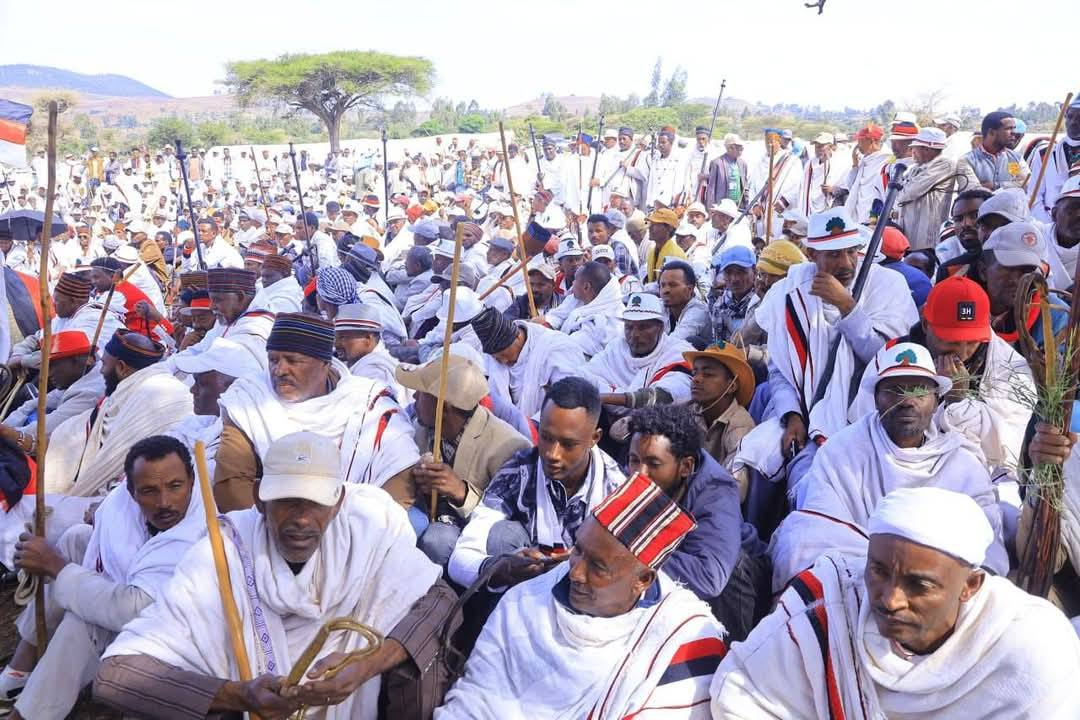
Shanan Deessu: Aadaa Oromoofi Faayidaa Dubartoota

Kun guyyaa Shanan Bontu Shuggee Galaasaa ti. Boontuun Oromiyaa keessatti hidhaa addaddaan dararamaa turte. Booda dararaan itti hammaannaan gara biyya ollaa Keenyaatti godaante. Baqattummaa waggaa dheeraa booda qubannaan gara biyya Kanaadaa nagaan imalte.
Dhiheenya kana mucaa dhiiraa nagaan godhatte. Shanan kana irrattis akka aadaa Oromootti miidhagdee hiriyyoota ishii waliin kabajatte. Kaayyoon Shanan deessuu inni guddaan dubartiin deesse gaafa guyyaa shanaffaa akka jajjabattuu fi eebbisuu dha. Akkasumas ayyaanni haadhaa ykn ateetee fi Waaqa nagaan akka deessu ishii gargaara galateeffachuu dha. Sirna kana irratti hanga Shananiitti dhaqna hin dhiqattu, uffanni ishii hin miiccamu. Kanaaf guyyaa kana dhaqna dhiqatti; uffannishees ni miiccama.
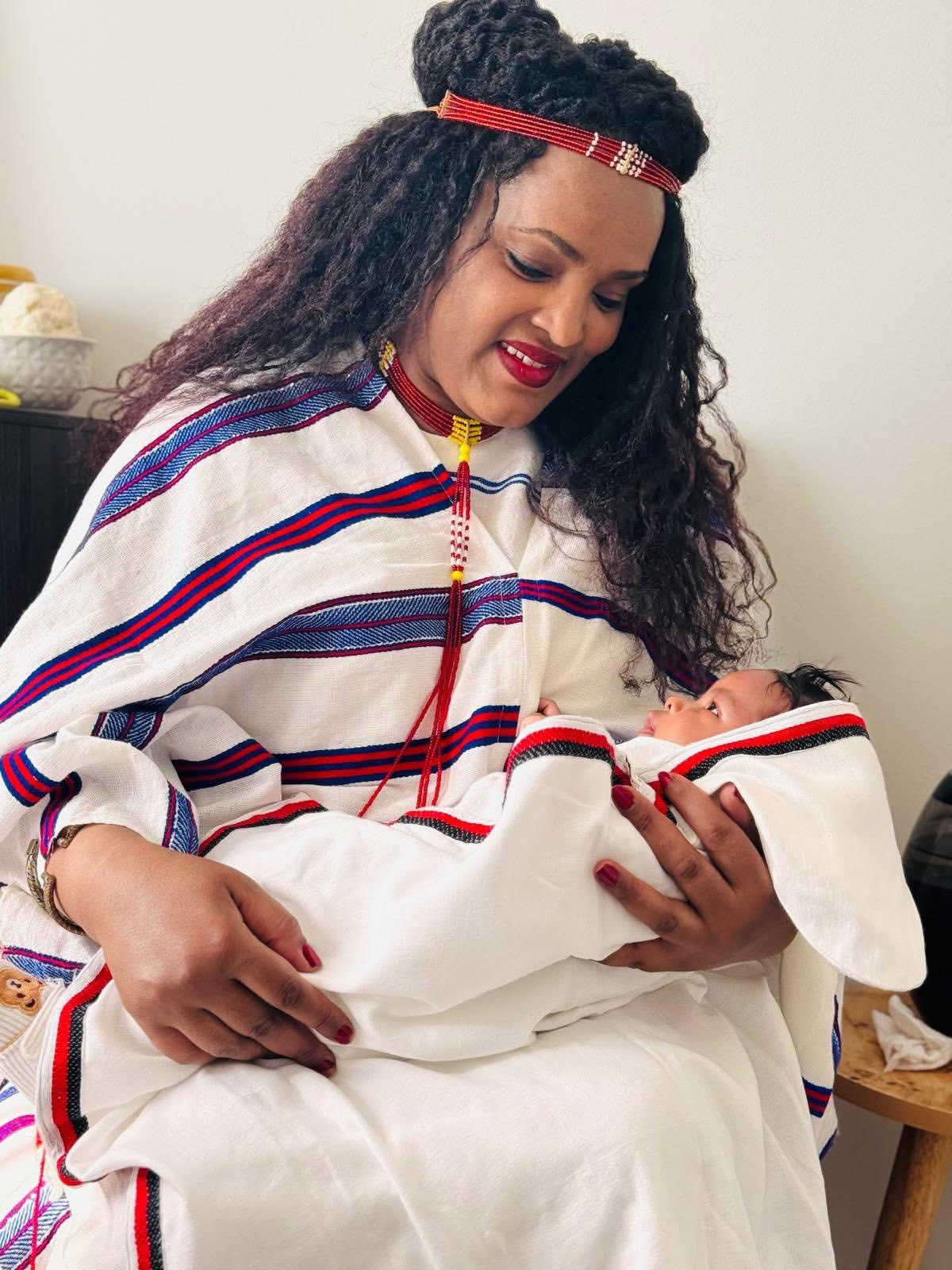
Shanan deessuu jireenya deessuu keessatti iddoo guddaa kan qabuu fi kan kabajamuudha. Kunis dubartiin tokko ji’a sagal guutuu garaatti baattee nagaan hiikamuun ishee faayidaa maatii sanaati. Akkasumas daa’imni dhalatte dabalata maatii sanaati. Kanaf, faayidaa Shanan deessuu dubartii tokko deesse hanga Ulmaa Baatutti kophaa dhiisanii hin deeman. Sababni isaa boolli afaan banee ishii eega jedhama. Akkasumas yeroo mana fincaanii deemtuus sibiila harkatti qabattee,mutaa mataatti suqqattee, deemti.
Walumaa galattii Shanan erga bahee booda mucaan ni jajjabaata(tti); deessuun sunis ni jajjabaatti; marqaa qophaa’e waliin nyaachuun bira dhaabbannaa fi deeggarsa waloomaa akka argattu godhan.
Deessuun akka eela da’umsaa irraa dandamattu gochuu keessatti sirni kun gahee guddaa qaba. Maatii fi hiriyoonni Shanan kana irratti argamanis akka deessuun bareeddee kabajaa deessummaa argattu ni jajjabeessu. Shanan kana irratti deessuun qaamaan akka jabaattu, hawaasummaan akka bareeddu, ayyaanaan akka damboomtu, ba’aa bara ulfaa fi da’umsaa akka aadeffattu godhan.
Shanan Boontuun kun immoo kanneen akka ishiitti firaa fi aantee irraa fagaatanii jiraniif akka qobummaa fi adda bahummaan itti hin dhagahamne godha. Kunis akka walooma eenyummaa itti uwwisan godha.

Afaan Oromo’s film Soolanee has won the Best International Film category.

The film was selected as the winner at the Charlotte Film Production Festival and was selected as the winner in the Best International Film category.
The film was produced by artist Keeyeron Dereje and premiered in Finfinne a few months ago.
Keeyeron Dereje said the film awards were made possible by the support of the whole Oromo nation.
“To the whole Oromo nation – your unwavering spirit and stories inspire us every day. This award is yours as much as it is ours.”
Thanks be to God for helping me to make this goal a reality, said Keeyeron.
“Above all, I give thanks to Almighty God for guiding us through this journey with grace and purpose.”
Soolane was screened in Oromia and Australia.
The film is currently being shown in various states in Canada and the United States. It is a work of art that is gaining popularity.
This recognition is said to be a testament to the acceptance Oromian films are receiving internationally.
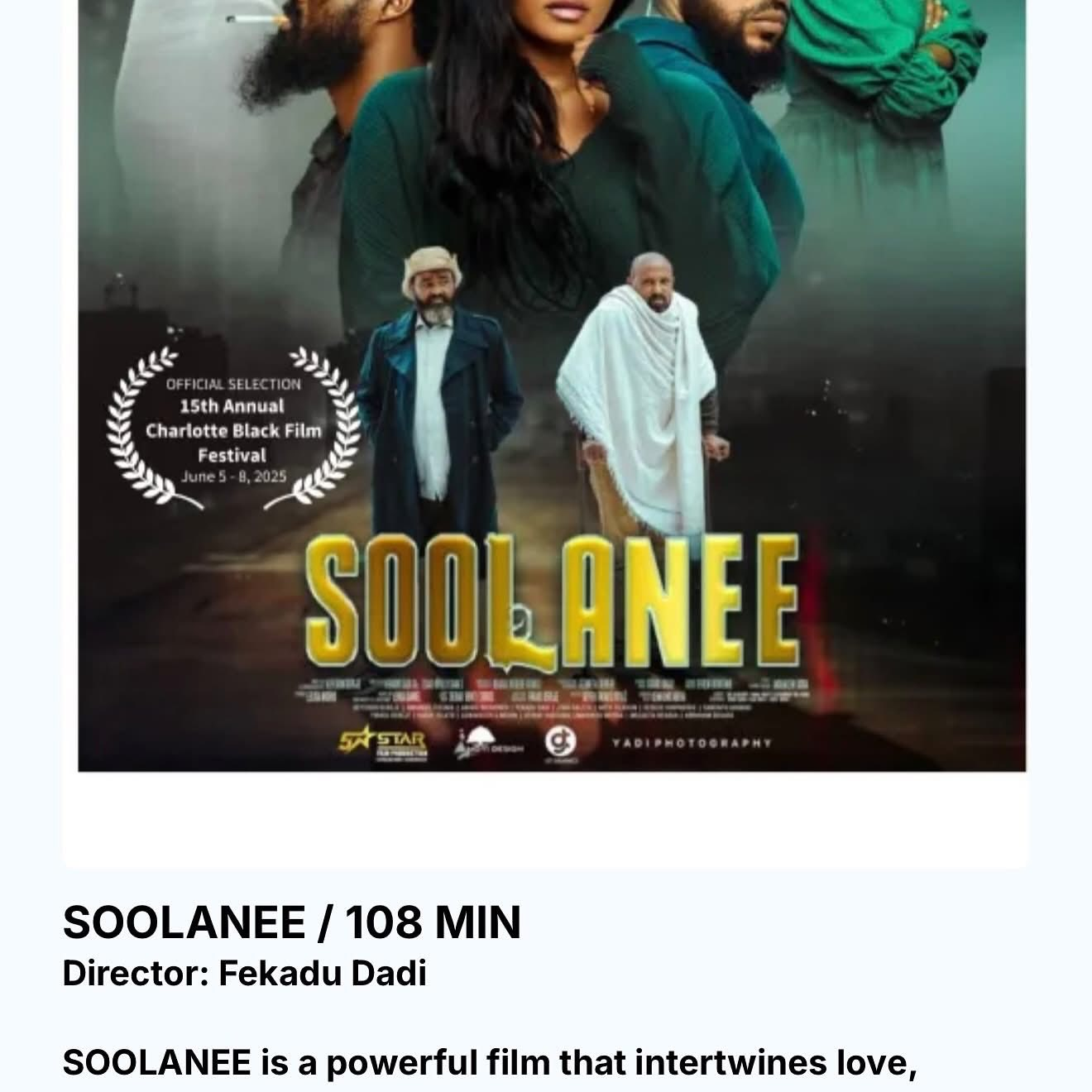
Reviving the Gada System: A Cultural Heritage Initiative
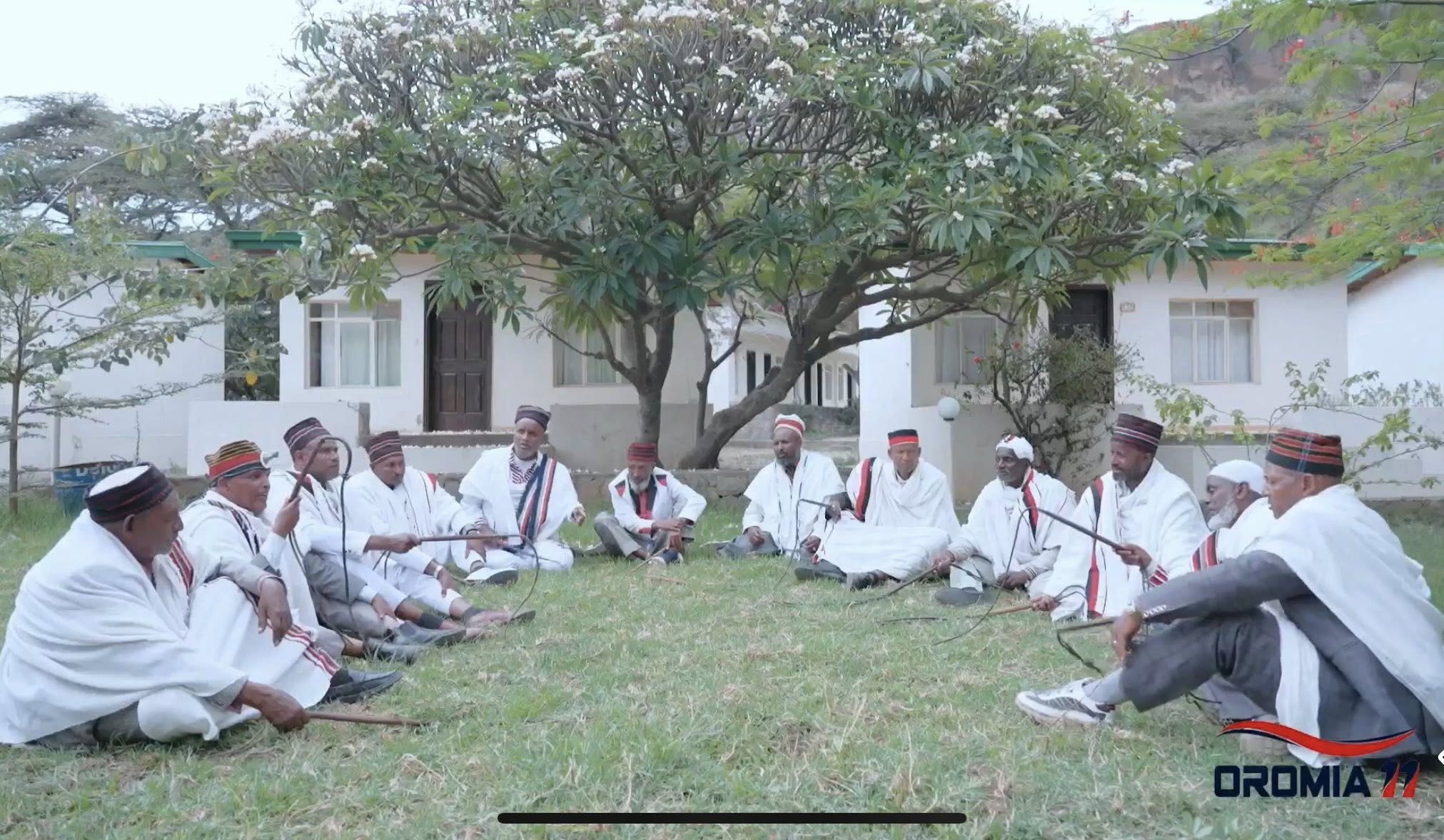
The Sikkoo-Mandoo Conference represents a significant effort to revitalize the **Gada system**, a cornerstone of Oromo cultural and political heritage, which faced suppression during the mid-20th century under Ethiopian regimes. Here’s a structured breakdown of the context, significance, and implications:
—
1. The Gada System: Historical Overview
– What is Gada?
The Gada system is a traditional **democratic governance system** practiced by the Oromo people for centuries. It organizes society into age-based cohorts (*gogessa*), with leadership rotating every 8 years. Key principles include accountability, consensus-building, and environmental stewardship.
– Cultural Significance:
Beyond governance, Gada encompasses Oromo spirituality, conflict resolution, and social identity, recognized by UNESCO as an Intangible Cultural Heritage of Humanity in 2016.
—
2. Suppression in the 1940s
– Ethiopian Centralization:
Under Emperor Haile Selassie (ruled 1930–1974), Ethiopia pursued centralization policies that marginalized ethnic identities and traditional systems like Gada. The regime promoted Amhara-centric culture and governance, leading to the erosion of Oromo institutions.
– Impact:
Gada was suppressed through land reforms (*gulma*), bans on Oromo language (Afaan Oromoo), and dismantling of indigenous leadership structures. By the 1940s, the system became largely dormant, though preserved orally in rural communities.
—
3. The Sikkoo-Mandoo Conference: Revival Efforts
– Purpose:
The conference aims to **reclaim Oromo identity** by restoring Gada’s role in modern governance and cultural practices. It reflects broader Oromo activism for self-determination and cultural preservation.
– Key Themes:
– Reintegrating Gada principles (e.g., rotational leadership, environmental ethics) into contemporary governance.
– Addressing historical marginalization through education and language revitalization.
– Leveraging Gada as a framework for **conflict resolution** amid Ethiopia’s ethnic tensions.
—
4. Challenges and Opportunities
– Political Context:
Ethiopia’s federal system allows ethnic regions autonomy, but tensions persist between central authority and ethnic nationalism. The Abiy Ahmed government (2018–present), while Oromo-led, faces criticism over balancing unity and ethnic rights.
– Obstacles:
– Modernization and urbanization eroding traditional practices.
– Skepticism from younger generations or those favoring Western-style democracy.
– Potential clashes with Ethiopia’s legal and political frameworks.
– Opportunities:
– Strengthening community cohesion and cultural pride.
– Offering alternative models of participatory democracy and sustainability.
—
5. Broader Implications
– Cultural Renaissance:
The revival is part of a pan-Oromo movement seen in events like Irreecha (thanksgiving festival) and the resurgence of Afaan Oromoo in media/education.
– Ethiopian Federalism:
Success could inspire other ethnic groups to reclaim traditions, testing Ethiopia’s commitment to multicultural federalism. Conversely, it may fuel centralist fears of fragmentation.
Conclusion
The Sikkoo-Mandoo Conference symbolizes the Oromo people’s resilience in reclaiming their heritage. While challenges remain, the Gada revival intersects with global movements for indigenous rights and decolonization, offering lessons in balancing tradition with modernity. Its success may depend on dialogue with Ethiopia’s government and integration into broader national frameworks.
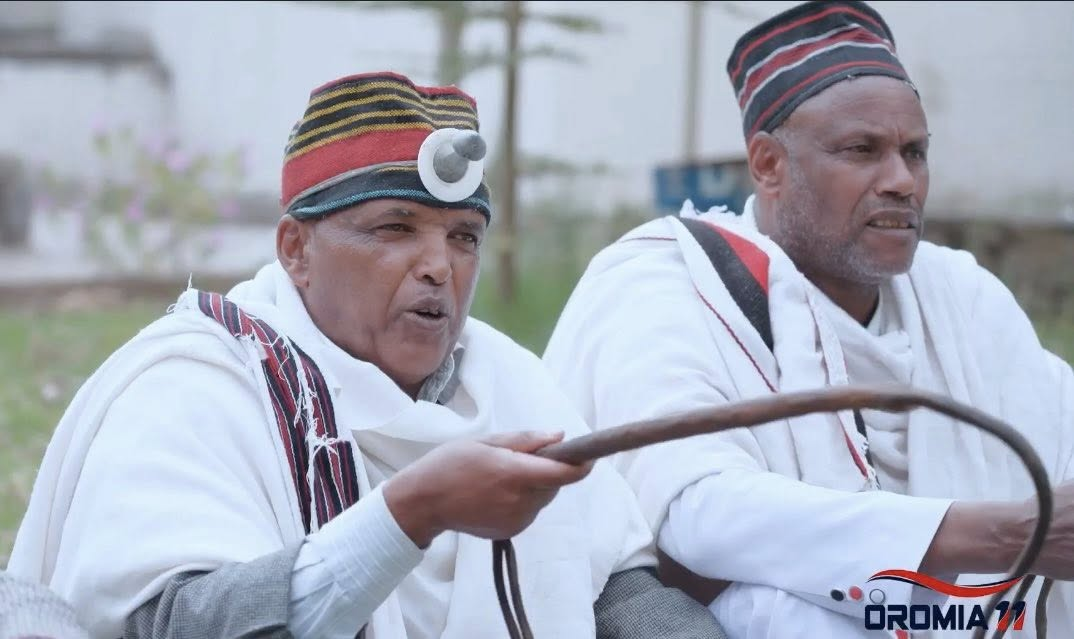
Celebrating Irreecha Arfaasaa: Oromo Spring Festival in Melbourne
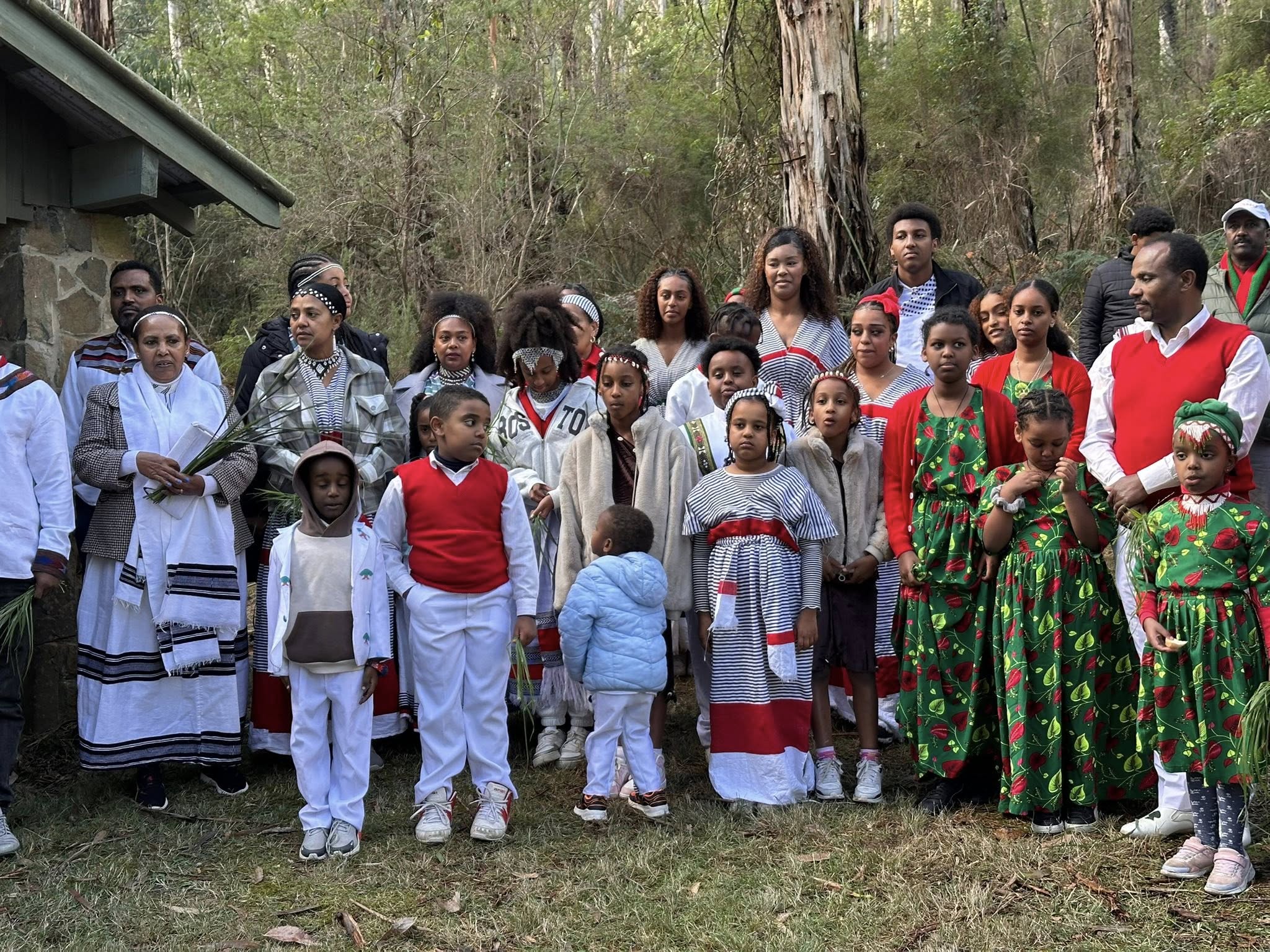
The Oromo community in Melbourne and surrounding areas celebrated Irreecha Arfaasaa, the Spring Festival, atop Dandenong Hill on May 18, 2025.
This vibrant gathering brought together elders, veterans, mothers, and youth adorned in traditional attire, marking a thanksgiving for surviving the harsh winter and welcoming the summer season.
The ceremony opened with elders’ blessings, invoking peace for all creation: “May the Creator bless this land, heal our scars from fire, and let new life flourish.” The festival also served as a prayer for a peaceful summer amid the rainy and darker months ahead.
Ob Danye Defersha, a local organizer, emphasized the deeper meaning of Irreecha: “This festival isn’t just about spring. It’s about remembering what we’ve overcome and the ties that hold us. The mountain is our sanctuary, and today, it’s alive with hope.”
Beyond cultural celebration, Irreecha Arfaasaa reflects the Oromo people’s deep connection to nature, promoting family unity, stress relief, and mental well-being.
The event highlighted resilience, gratitude, and the enduring spirit of the Oromo community in Australia.
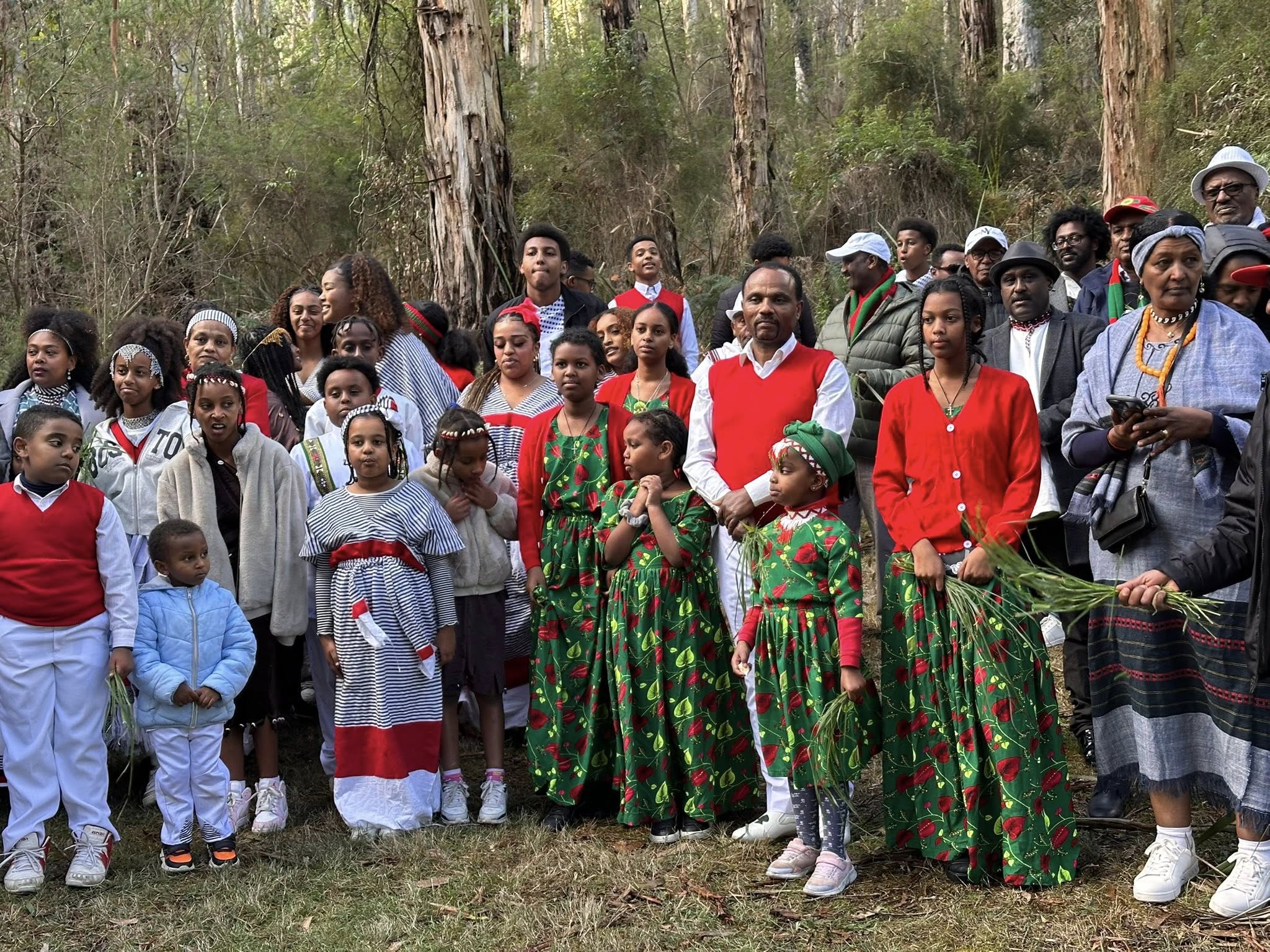
The Historical Significance and Rituals of Irreecha
1. Historical and Cultural Roots
Irreecha (also spelled Irreessa) is one of the most sacred and ancient festivals of the Oromo people, the largest ethnic group in Ethiopia. It is a thanksgiving celebration deeply tied to the Waaqeffanna faith (the traditional Oromo religion, which venerates Waaqa—the Creator).
- Origins: The festival dates back centuries and is linked to the Gadaa system, the Oromo’s indigenous democratic governance structure.
- Two Main Celebrations:
- Irreecha Birraa (Autumn Festival) – Held in September/October to give thanks for the rainy season and pray for a good harvest.
- Irreecha Arfaasaa (Spring Festival) – Held in April/May to celebrate the end of winter and welcome summer.
- Symbolism: It represents renewal, unity, and harmony with nature, reinforcing the Oromo philosophy of “Nagaa” (peace) and “Safuu” (moral order).
2. Key Rituals and Ceremonies
The rituals of Irreecha are rich in symbolism and communal participation:
A. Blessings by Elders (Abbaa Malkaa & Abbaa Gadaa)
- The ceremony begins with elders (Haayyuu) offering prayers to Waaqa for peace, fertility, and prosperity.
- A sacred grass (Birraa) is held during prayers, symbolizing life and renewal.
- Libation (Dhibaayyuu): Water, milk, or honey is sprinkled as an offering to the Creator and ancestors.
B. Sacred Gathering Near Water (Hora Harsadii)
- Traditionally, Irreecha is celebrated near rivers or lakes, as water symbolizes purity and life.
- In the diaspora (like in Melbourne), a symbolic mountain or hill (e.g., Dandenong) is chosen to represent this sacred space.
C. Wearing Traditional Attire (Callee)
- Attendees dress in white (symbolizing peace) and traditional Oromo costumes, often made of cotton and decorated with beads (callee).
- Women wear Siiqqee (a sacred stick representing women’s rights in Gadaa).
D. Singing & Dancing (Geerarsa & Shaashammanee)
- Geerarsa (poetic chants) are performed, praising nature, bravery, and unity.
- Wallee aadaa (traditional dance) involves rhythmic shoulder movements, symbolizing joy and resilience.
E. Throwing Grass & Flowers
- People toss freshly cut grass and flowers into the air or water, signifying letting go of past sorrows and embracing new beginnings.
3. Modern Adaptations in the Diaspora
Since the Oromo diaspora cannot always gather at Hora Arsadi (the sacred lake in Oromia), they adapt by:
- Choosing high elevations (mountains, hills) to symbolize closeness to Waaqa.
- Incorporating multicultural elements while preserving core traditions.
- Using the festival to educate younger generations about Oromo heritage.
4. Why Irreecha Matters Today
- Cultural Survival: For the Oromo, who faced historical oppression, Irreecha is an act of resistance and identity preservation.
- Environmental Connection: It reinforces ecological stewardship, reminding people to protect nature.
- Healing & Unity: In exile, it serves as emotional healing for refugees and a way to strengthen community bonds.
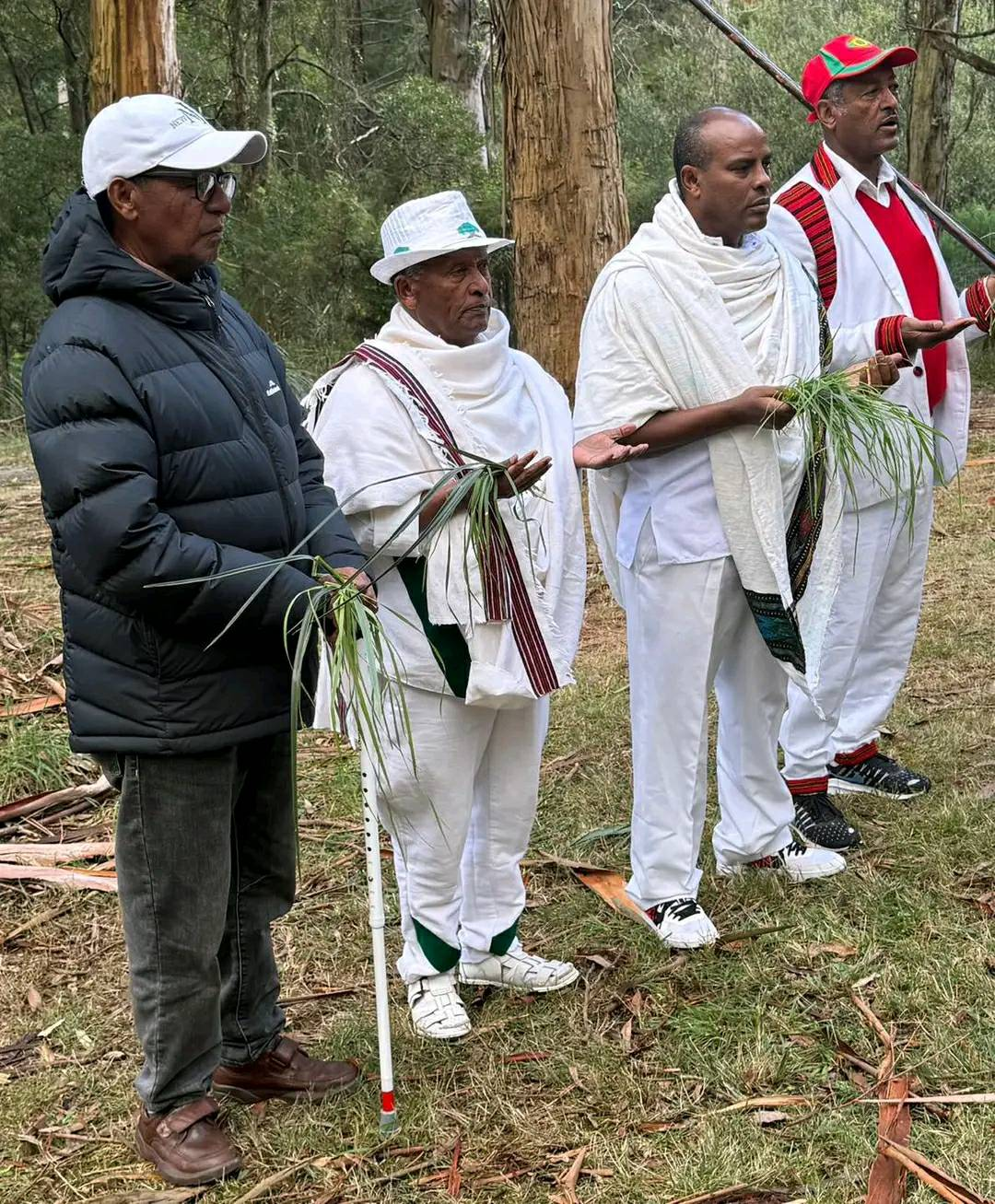
 Oromedia